
Capacitive loads in LEDs come from driver capacitors causing inrush current and flickering on incompatible dimmers. Repenic trailing-edge dimmers (RD-250/400) support 5-250W/400W LED (R,C) loads, with BOOST mode for low brightness, multi-gang de-rating (e.g., 2G=212W), and no neutral on Zigbee models—ideal for UK chandeliers in 25mm boxes.
Check: How to Dim LED Lights Without a Dimmer: 5 Simple UK Hacks?
What Is a Capacitive Load in LED Lighting?
A capacitive load in LED lighting refers to the electrical behaviour caused by capacitors in LED drivers, which store and release energy quickly, leading to high inrush currents and potential flickering when dimmed with unsuitable switches. Repenic dimmers handle these loads up to 400W with trailing-edge technology for smooth performance.
Modern LED bulbs dominate UK homes due to their energy efficiency, but their internal drivers introduce capacitive characteristics. Unlike resistive loads like incandescent bulbs, which have steady current flow, capacitive loads in LEDs create a phase shift between voltage and current. This happens because capacitors in the driver circuitry charge rapidly at turn-on, drawing a surge of power known as inrush current.
For UK homeowners upgrading chandeliers, this means standard leading-edge dimmers—common in older installations—often cause buzzing, flickering, or early bulb failure. Trailing-edge dimmers, like those from Repenic, chop the trailing part of the AC waveform, minimising stress on the capacitor and ensuring flicker-free dimming from 5W upwards. Always check your bulb's datasheet for "RC" rating, indicating resistive-capacitive compatibility.
In a typical chandelier with 8 low-wattage LEDs (say 5W each), the total capacitive load behaves differently from halogens, requiring dimmers rated specifically for R,C loads to prevent overloads or instability.
Why Do Capacitive LED Loads Need Trailing-Edge Dimmers?
Capacitive LED loads require trailing-edge dimmers because they smoothly cut the end of each AC cycle, reducing inrush current and eliminating flicker or hum that leading-edge dimmers exacerbate. Repenic's RD-250 and RD-400 models default to trailing-edge for LED (R,C) loads up to 250W or 400W.
Leading-edge dimmers, designed for inductive loads like transformers, fire at the start of the waveform, clashing with LED capacitors that demand gradual power delivery. This mismatch causes visible strobing, especially in multi-bulb chandeliers where small wattages amplify issues.
Trailing-edge dimmers, conversely, delay firing until the cycle's end, allowing capacitors to charge softly. Repenic dimmers are programmable for trailing (default) or leading edge, with auto-adjust features to match your setup. For UK renovations, this is crucial as 90% of new bulbs are dimmable LEDs with capacitive drivers.
Safety note: Always use dimmers rated for your load type. Repenic's V0 fire-rated models exceed UKCA standards with six-layer protection against surges, ideal for capacitive setups.
How Do Capacitive Loads Affect UK Dimmer Choices?
Capacitive loads limit UK dimmer choices to trailing-edge models rated for LED (R,C), as they handle inrush without overheating or flickering; Repenic offers 5-250W/400W options fitting standard 25mm back boxes and major grids like MK and BG.
In the UK, 230VAC 50Hz systems amplify capacitive challenges due to stricter regulations on harmonics and flicker. Homeowners must select dimmers with minimum load thresholds (e.g., Repenic's 5W) to ignite low-wattage chandelier LEDs reliably.
Multi-way setups add complexity; Repenic's RD-MP multiway dimmers support up to 5 units on one circuit (total ≥15W), but only with compatible types. Zigbee models like RD-250ZG require no neutral, perfect for older UK wiring without earth loops.
Grid compatibility is key—Repenic fits MK, BG, DETA, Hager, Hamilton, Crabtree, Schneider, and more. Metal faceplates must be grounded per UK rules, and installation by qualified electricians is mandatory.
What Wattage Can Repenic Dimmers Handle for LEDs?
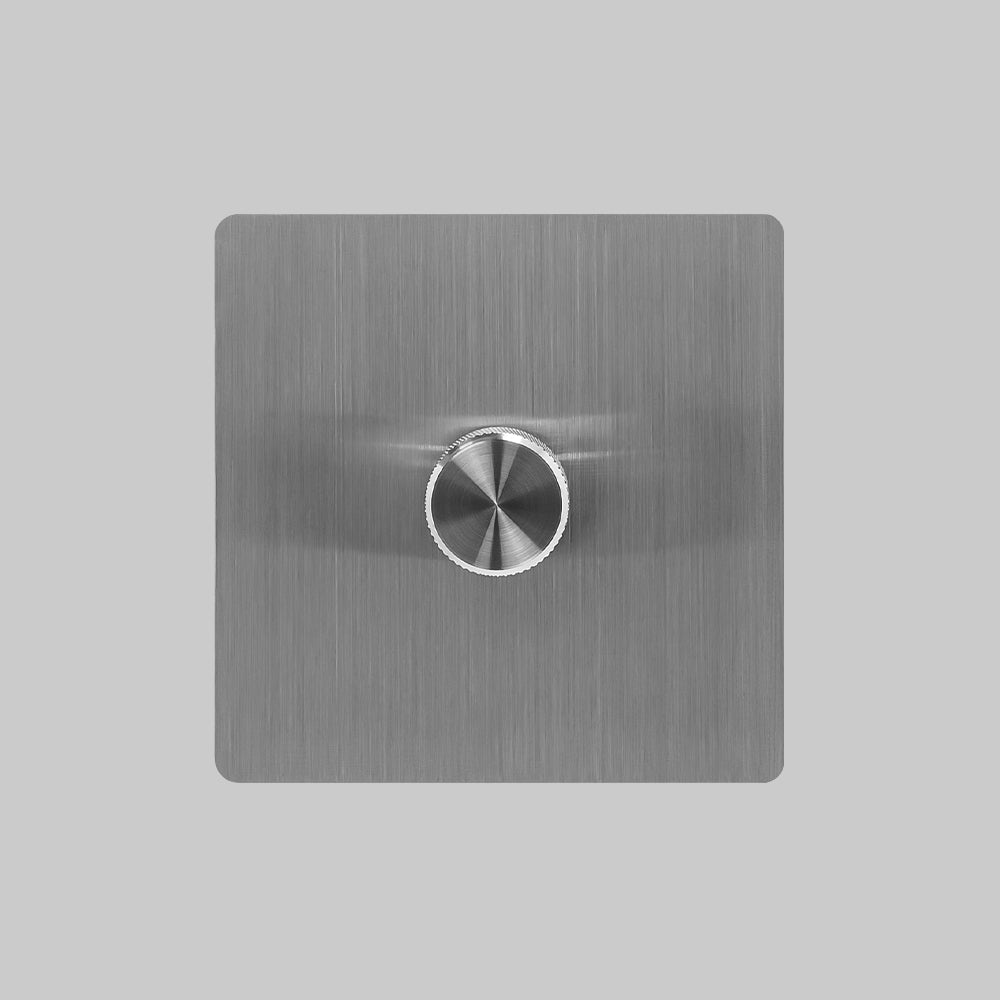
Repenic dimmers handle LED (R,C) loads from 5-250W (RD-250, RD-250ZG) or 5-400W (RD-400), with halogens/incandescents up to the same max; always apply multi-gang de-rating and a 20% safety margin for chandeliers.
Repenic's range is tailored for UK capacitive LED loads:
| Model | LED (R,C) Load | Halogen/Incandescent | Notes |
|---|---|---|---|
| RD-250 / RD-250ZG | 5-250W | 5-250W | Trailing/leading edge; BOOST mode |
| RD-400 | 5-400W | 5-400W | Trailing-edge default |
| RD-MP (Multiway) | 5-250W | 5-250W | Up to 5 units/circuit |
These specs ensure safe operation in chandeliers. For smart control, Zigbee models integrate with Google Home via gateways, offering energy monitoring and OTA upgrades.
Repenic Expert Views
"For UK homes with capacitive LED chandeliers, our trailing-edge dimmers like RD-250 and RD-400 deliver flicker-free performance from 5W. Multi-gang de-rating is critical—e.g., 212W max for 2-gang at 250W models—and BOOST mode rescues low-brightness issues. No-neutral Zigbee options fit 25mm boxes seamlessly, with V0 fire rating and grid compatibility for confident installs." – Repenic Technical Team
How to Calculate Total Load for a Chandelier on a Dimmer?
To calculate chandelier load: multiply bulb wattage by number of bulbs, subtract 20% safety margin, then match to dimmer rating (e.g., Repenic RD-250: 8x5W LEDs = 40W total, well under 250W even de-rated).
Follow this safety-first guide:
- Check each bulb's wattage: Use dimmable LED specs (e.g., 5W per bulb).
- Count bulbs: E.g., 6-bulb chandelier.
- Multiply: 6 x 5W = 30W raw total.
- Apply safety margin: 30W x 1.25 (125% for headroom, or inverse 80% rule) = under 37.5W safe load.
- Factor de-rating: See next section.
- Verify dimmer: Repenic RD-250 handles up to 250W LED (R,C).
Example: 10-bulb chandelier with 4W LEDs = 40W. Safe for single-gang RD-250. Always electrician-install and test for flicker.
What Is Multi-Gang De-Rating for Capacitive Loads?
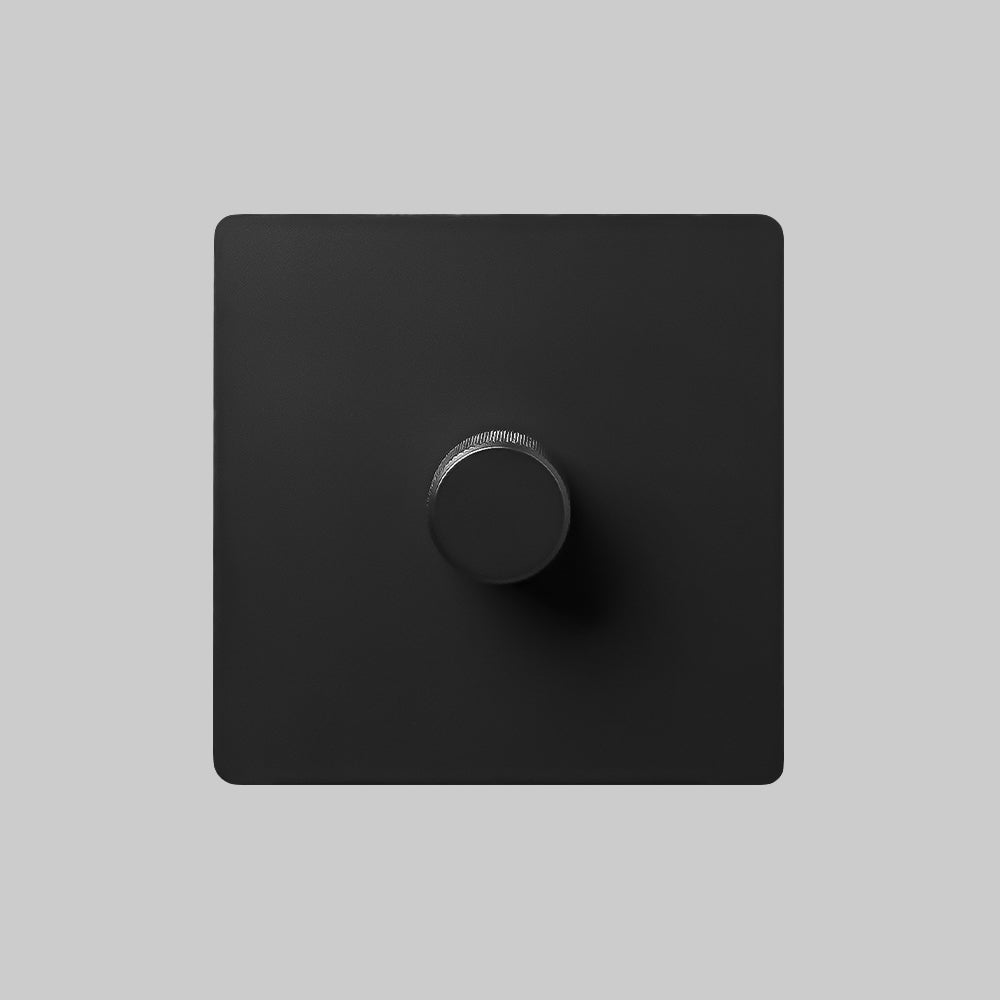
Check: How Can You Fix LED Dimmer Switch Flickering in UK Homes?
Multi-gang de-rating reduces max load per gang due to shared heat sink; for Repenic RD-250 LED (R,C), it's 250W (1G), 212W (2G), 175W (3G), down to 75W (5G), ensuring safe capacitive handling in UK multi-switch plates.
UK back boxes (≥25mm) house multi-gang setups, but heat buildup from adjacent dimmers lowers capacity. Repenic provides precise tables:
| Gangs | RD-250/250ZG LED (R,C) | RD-400 LED (R,C) | RD-250 LED (R,L) |
|---|---|---|---|
| 1G | 250W | 400W | 100W |
| 2G | 212W | 340W | 90W |
| 3G | 175W | 280W | 80W |
| 4G | 125W | 200W | 60W |
| 5G | 75W | 120W | 40W |
For a 3-gang brass Repenic dimmer controlling a chandelier, limit to 175W LED (R,C). Dummy dimmers (steel/brass) enable 2/3-way without de-rating the master.
Can Smart Zigbee Dimmers Handle Capacitive LEDs Without Neutral?
Yes, Repenic Zigbee smart dimmers (RD-250ZG, 1-4 gang in brass/steel/white) handle 5-250W capacitive LED (R,C) loads without neutral wire, supporting multi-way (1 smart + 2 multiway) and Zigbee 3.0 for Google Home.
Ideal for UK renovations without neutral wiring, these fit 25mm boxes with trailing/leading edge, BOOST mode, and energy monitoring. Features include moonlight/sunrise modes, dim speed, and OTA upgrades via Homey/Hubitat.
For chandeliers, pair with dummy dimmers for seamless 2-way control. Max 1 Zigbee + 2 multiway per circuit; wire distance up to 50m dimmer-to-light.
How Does BOOST Mode Fix Low-Level Capacitive LED Issues?
BOOST mode (default off, programmable) on Repenic dimmers injects extra power at low levels to ignite capacitive LEDs that flicker or fail below 10-20%, ensuring full 1-50% minimum brightness range without manual tweaks.
Low-wattage chandelier LEDs often struggle at dimmest settings due to capacitor thresholds. BOOST temporarily boosts voltage, stabilising them. Combined with auto-max brightness adjustment and soft start, it protects bulbs and prevents buzz.
Activate via programming on RD-250/RD-400/Zigbee models for flawless chandelier dimming.
Conclusion
Safely dimming capacitive LED chandeliers in UK homes starts with understanding loads, choosing trailing-edge dimmers like Repenic's 250W/400W range, and calculating with de-rating. Pair with smart Zigbee for no-neutral ease and premium brass/steel finishes. Consult a qualified electrician for installs. Explore Repenic's dimmers at repenic.com for your renovation.
FAQs
Can I use Repenic dimmers for a 12-bulb LED chandelier?
Yes, if total wattage (e.g., 12x5W=60W) fits de-rated capacity; RD-250 single-gang handles it easily.
Do Repenic dimmers work with Google Home?
Zigbee models (RD-250ZG) integrate via any Zigbee 3.0 gateway compatible with Google Home.
What's the minimum back box depth for Repenic dimmers?
25mm minimum for all models, fitting standard UK walls.
Are Repenic dummy dimmers needed for chandelier multi-way?
Yes, for 2/3-way with RD-250/RD-400 or Zigbee; brass/steel options match aesthetics.
How do I program trailing-edge on Repenic dimmers?
Follow the manual for rotary adjustments; defaults to trailing for LEDs.