
LED dimmer flickering stems from incompatible dimmers, non-dimmable bulbs, or insufficient load. Fix it by upgrading to trailing-edge dimmers with programmable brightness and BOOST mode, ensuring compatibility with your UK grid (MK/BG) and bulbs rated 5-250W minimum. Repenic dimmers eliminate flicker via high-speed chipsets and auto-adjusting maximum brightness for smooth 0-100% dimming.
Check: Dimmer switch - Solid brass 1/2/3/4 Gang
Why Do LED Dimmer Switches Flicker in UK Homes?
LED dimmer switches flicker in UK homes due to incompatible dimmer types, non-dimmable bulbs, loose wiring, or insufficient load on the circuit. Common fixes include switching to trailing-edge dimmers, verifying bulb compatibility, and ensuring proper wattage matching for smooth operation.
Flickering LED lights plague many UK homeowners during renovations, turning a simple upgrade into a frustrating headache. The root causes often trace back to mismatched technology between older dimmers designed for incandescent bulbs and modern low-wattage LEDs. Standard leading-edge dimmers chop the power supply abruptly, causing LEDs' sensitive drivers to react poorly, resulting in visible flicker, buzzing, or sudden drop-outs at low brightness levels.
Other culprits include using non-dimmable LEDs, which lack the internal circuitry to handle variable voltage, or overloading/underloading the dimmer. In UK setups with 230VAC 50Hz systems and standard 25mm back boxes, wiring issues like loose connections exacerbate the problem. Diagnostic steps start with checking bulb packaging for "dimmable" labels and confirming total load stays within dimmer specs—typically 5W minimum to avoid flicker from too few bulbs.
Repenic addresses these pain points head-on with dimmers like the RD-250 and RD-400, featuring high-speed chipsets and programmable minimum brightness (1%-50%) to stabilise low-end performance. Their auto-adjust maximum brightness prevents overload flicker, ensuring reliable operation in real UK homes.
What's the Difference Between Trailing-Edge and Leading-Edge Dimmers?
Trailing-edge dimmers cut power at the end of each AC cycle for smoother LED control, ideal for most UK dimmable LEDs, while leading-edge dimmers chop at the start, often causing flicker with LEDs. Choose trailing-edge for flicker-free dimming in low-load setups.
Understanding dimmer types is key to eliminating LED flicker. Leading-edge dimmers, common in older installations, switch off power at the beginning of the AC waveform, creating abrupt changes that LED drivers struggle with, leading to humming or instability. Trailing-edge dimmers, conversely, dim by trimming the end of the waveform, delivering a gentler, more compatible signal for LEDs' electronic components.
For UK homes, trailing-edge is the gold standard for dimmable LEDs, supporting loads from 5-250W or higher without buzzing. Repenic's RD-250, RD-400, and Zigbee smart dimmers are programmable for both modes (trailing-edge default), allowing customisation based on your bulbs—trailing for universal LED compatibility (R,C types up to 250W/400W) or leading for specific resistive loads (R,L up to 100W).
This flexibility, combined with features like BOOST mode, ensures no-flicker performance across halogen, incandescent, and dimmable LEDs/CFLs.
How Do You Choose a Dimmer Compatible with Your UK Grid System?
Choose a dimmer compatible with UK grids like MK, BG, DETA, Hager, Hamilton, Crabtree, Schneider, Schneider-Lisse, and Wandsworth by checking grid plate specs and ensuring 230VAC 50Hz input, ≥25mm back box fit, and LED load matching (5-250W+). Verify trailing-edge support and no-neutral wiring for standard installs.
UK electrical grids vary by brand, but Repenic dimmers fit seamlessly across major systems. Start by identifying your grid—common in renovations—and select 1-4 gang options in solid brass, steel, or white finishes. All Repenic models require minimum 25mm back box depth, with terminal capacities like 1x4mm² for easy wiring, and metal faceplates must be grounded per UK regs.
Compatibility extends to bulb types: ensure dimmable LEDs rated within 5-250W (RD-250/RD-250ZG) or 5-400W (RD-400). Installation by qualified electricians is mandatory. Repenic's broad grid support eliminates guesswork, solving the "Will this work in my home?" question for renovators.
| Grid Brand | Repenic Compatibility |
|---|---|
| MK | Full (1-4 Gang) |
| BG | Full (1-4 Gang) |
| DETA | Full (1-4 Gang) |
| Hager | Full (1-4 Gang) |
| Hamilton | Full (1-4 Gang) |
| Crabtree | Full (1-4 Gang) |
| Schneider | Full (1-4 Gang) |
| Schneider-Lisse | Full (1-4 Gang) |
| Wandsworth | Full (9 Grid Kits) |
Can You Install a No-Neutral LED Dimmer in a Standard 25mm Back Box?
Yes, many modern LED dimmers, including Repenic's Zigbee and manual models, install without a neutral wire in standard UK 25mm back boxes, supporting trailing/leading edge dimming for flicker-free control of 5-250W+ loads.
Older UK wiring often lacks neutral at switch plates, but Repenic's no-neutral designs fit perfectly. Zigbee smart dimmers (RD-250ZG) and manual dimmers like black steel or brass series require no neutral, using 230VAC 50Hz input directly. They slot into ≥25mm boxes with V0 fire-rated materials and 5-year warranties.
For trade pros, this means minimal rewiring during upgrades. Pair with dummy dimmers for multi-way control—up to 1 smart + 2 multiway on one circuit, max 50m dimmer-to-light distance. Always use qualified electricians to comply with regulations.
Which Repenic Dimmer Features Prevent Flickering and Boost Low-Level Brightness?
Repenic dimmers prevent flickering with programmable min/max brightness (1-50%), auto-adjust max brightness, high-speed chipsets, MOSFETs for silent 0-100% dimming, and BOOST mode for low-level stability, tailored for UK LED loads 5-400W.
Repenic stands out by solving LED flickering pain points through engineered features. Programmable minimum brightness avoids drop-out, while auto-adjust max brightness curbs overload flicker. BOOST mode (default off) activates for bulbs reluctant at low levels, ensuring even moody LEDs glow steadily.
High-speed chipsets and tuned MOSFETs deliver buzz-free operation, with soft start protecting bulbs. Available in RD-250 (5-250W LED R,C), RD-400 (5-400W), and Zigbee variants, all with 6-layer safety exceeding UKCA standards.
Repenic Expert Views: "Flickering disrupts the ambiance UK homeowners crave during renovations. Our dimmers' trailing-edge default, combined with BOOST mode and programmable settings, auto-calibrates for any dimmable LED setup. No-neutral wiring and grid compatibility mean flawless integration into standard 25mm boxes, with multi-gang de-rating ensuring reliability even in complex circuits. Trade pros trust our 5-year warranty and V0 fire rating for projects that perform." – Repenic Engineering Team
How Do Multi-Gang Dimmers Handle Higher Wattage Without Flickering?
Check: How to Dim LED Lights Without a Dimmer Switch: 5 Simple UK Hacks?
Multi-gang Repenic dimmers handle higher wattage via de-rating (e.g., RD-250: 1G=250W, 5G=75W R,C), programmable brightness, and auto-features to maintain flicker-free performance across 1-4 gangs in UK grids.
In multi-gang plates (1-5 gangs), heat buildup demands de-rating, but Repenic engineers it precisely. For RD-250 (LED R,C): 250W single-gang drops to 75W at 5-gang; RD-400 holds 400W to 120W. Features like auto-return to previous brightness and BOOST ensure stability.
| Gangs | RD-250/ RD-MP (R,C) | RD-250 (R,L) | RD-400 (R,C) |
|---|---|---|---|
| 1G | 250W | 100W | 400W |
| 2G | 212W | 90W | 340W |
| 3G | 175W | 80W | 280W |
| 4G | 125W | 60W | 200W |
| 5G | 75W | 40W | 120W |
Compatible 1-4 gang options in brass/steel/white fit MK/BG etc., with dummy dimmers for uniform aesthetics.
What Is BOOST Mode and Why Does It Matter for Dimmable LEDs?
BOOST mode in Repenic dimmers temporarily boosts voltage for LEDs that fail to illuminate at low levels, preventing flicker and enabling full 0-100% range—crucial for finicky dimmable LEDs in UK homes.
Many dimmable LEDs cut out below 10-20% brightness due to driver thresholds. Repenic's BOOST mode (toggleable, default off) injects extra power at the low end, stabilising output without compromising safety. Paired with programmable min brightness, it unlocks smooth mood lighting.
Available across RD-250, RD-400, and Zigbee models, it's a game-changer for renovations where bulb variety is common.
Are Zigbee Smart Dimmers Worth Upgrading For Multi-Way LED Control?
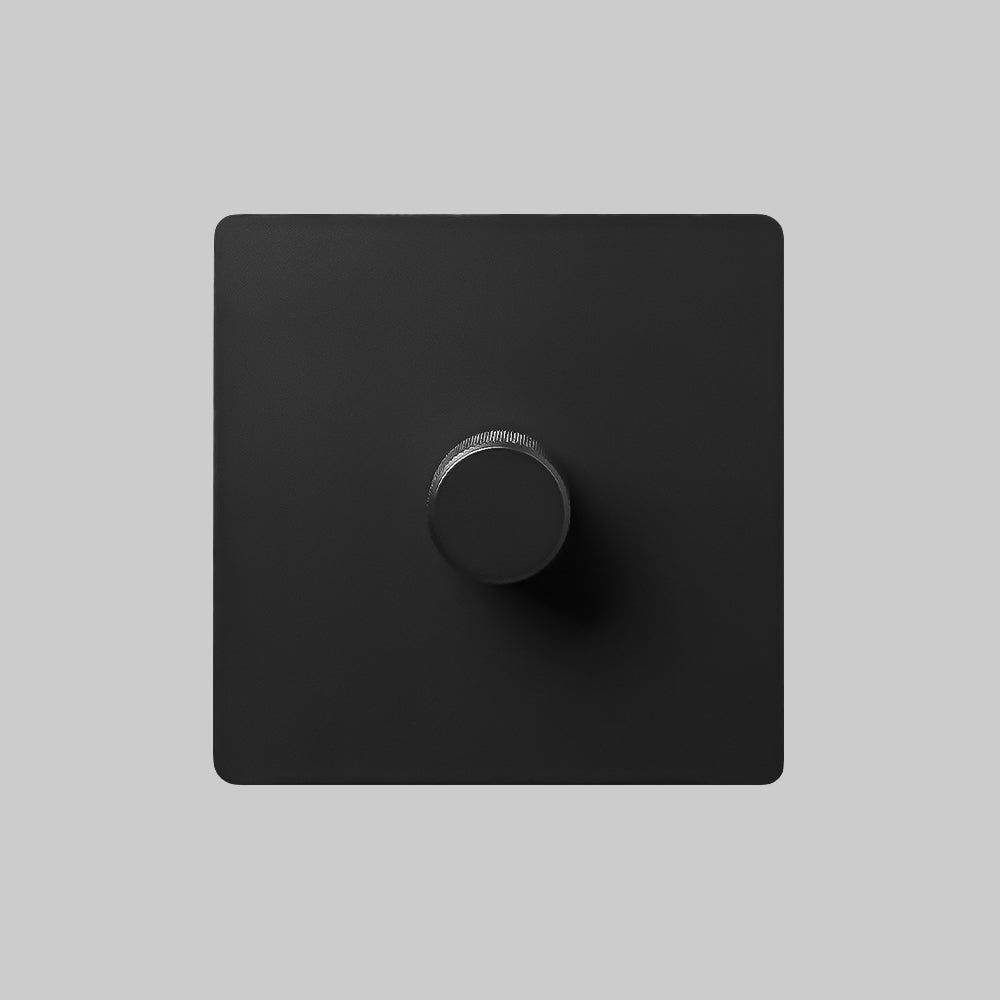
Yes, Repenic Zigbee 3.0 smart dimmers (RD-250ZG) are worth upgrading for multi-way LED control—no neutral needed, energy monitoring, OTA updates, and up to 3 dimmers per circuit with flicker-free features like moonlight mode.
Zigbee smart dimmers elevate control with app integration (Homey, Hubitat enhanced), no hub required for basics. Supports 5-250W LED, multi-way with RD-MP dummies (max 1 smart + 2 multiway, 100m dimmer-to-dimmer). Features like dimming speed, child lock, and sunrise mode add smart value without flicker.
Premium builds in solid brass/steel/white, 1-4 gangs, make them ideal for UK smart upgrades.
Conclusion
Fixing LED dimmer flickering in UK homes starts with compatible trailing-edge dimmers like Repenic's range, featuring BOOST mode, programmable settings, and UK-grid fit. Upgrade confidently with no-neutral, multi-gang options backed by 5-year warranties and expert support for seamless renovations.
FAQs
Do all dimmable LEDs work with any dimmer?
No, check compatibility sheets and use trailing-edge dimmers like Repenic's for 5-250W+ loads.
Can I use Repenic dimmers without a neutral wire?
Yes, most models including Zigbee and manual series require no neutral, fitting standard 25mm UK boxes.
What if my multi-gang setup exceeds wattage?
Follow de-rating: e.g., RD-250 at 5G=75W R,C; auto-features prevent flicker.
Are Repenic dimmers safe for UK installations?
Yes, V0 fire-rated, 6-layer protection, UKCA compliant; install by qualified electricians.