
Dim LED lights without a dimmer using these 5 simple UK hacks: 1) Apply LightDims or parchment paper over bulbs for diffusion; 2) Swap to lower-wattage frosted LEDs; 3) Add DIY shades; 4) Use smart plugs; 5) Try safe voltage reducers. For flicker-free results, upgrade to Repenic's 5-250W trailing-edge dimmers fitting UK 25mm boxes.
Check: How Can I Dim LED Lights Without a Dimmer Switch?
What Are the Limitations of Bright LED Lights in UK Homes?
Bright LED lights in UK homes often create glare, disrupt sleep, and waste energy without proper control, especially in older properties with fixed wiring. DIY hacks offer quick fixes, but they lack precision and can lead to flickering or heat issues.
LED bulbs have revolutionised UK homes with their energy efficiency and long lifespan, but their intense brightness can feel overwhelming in cosy living rooms, bedrooms, or kitchens. Many UK homeowners, particularly in period properties or rentals, face challenges dimming these lights without invasive rewiring. Common issues include harsh glare from recessed downlights or spotlights, which can strain eyes during evening relaxation or family time. In older UK wiring setups, retrofitting dimmers requires checking back box depths (minimum 25mm) and compatibility with grids like MK or BG.
Without dimming, LEDs run at full power, increasing energy bills amid rising UK costs. Non-dimmable LEDs risk flickering if paired with incompatible methods, and physical hacks may trap heat, shortening bulb life. For renters or DIY renovators, these limitations push towards temporary solutions until a professional upgrade. Repenic understands this, designing dimmers like the RD-250 (5-250W LED) that fit standard UK installations without neutral wires.

How Does DIY Dimming Work for Non-Dimmable LEDs?
DIY dimming for non-dimmable LEDs reduces light output through diffusion, lower power equivalents, or physical barriers, avoiding electrical changes. These hacks soften brightness safely but offer inconsistent results compared to professional trailing-edge dimmers.
Non-dimmable LEDs lack built-in drivers for variable voltage or current, so DIY methods focus on optical or substitution tricks rather than true electronic dimming. In UK homes, where 230VAC 50Hz powers most setups, these hacks prevent the flickering seen with mismatched dimmers. They work by scattering light (diffusion), replacing with softer alternatives, or redirecting beams, ideal for renters avoiding landlord issues.
However, limitations include uneven dimming, potential heat buildup, and no multi-way control. For lasting solutions, Repenic's dimmers like the 250W 2-Way (RD-250) use programmable trailing/leading edge technology for smooth 1%-50% brightness adjustment, compatible with dimmable LEDs up to 250W. Always prioritise safety—DIY hacks suit temporary use, but electrical upgrades need qualified electricians per UK regulations.
What Is Hack #1: Diffusion Sheets or Parchment Filters?
Apply neutral density filters like LightDims or parchment paper over LED bulbs to diffuse harsh light, reducing brightness by 30-70% without heat or wiring changes—perfect for UK renters.
This hack uses translucent materials to scatter light rays, mimicking frosted glass. Cut parchment paper or buy LightDims sheets (available at UK hardware stores) to fit over recessed LEDs or spotlights. Secure with heat-resistant tape, ensuring no direct bulb contact to avoid fire risks. For downlights, slide sheets behind the trim using a screwdriver.
Results: Instant softening for bedrooms or reading nooks. In tests, parchment reduces glare effectively, as seen in practical videos. Limitations: May yellow over time or dim unevenly. For UK homes, pair with frosted bulbs. Repenic's BOOST mode in RD-250 dimmers eliminates such workarounds by auto-adjusting low-level illumination.
What Is Hack #2: Lower-Wattage or Frosted Bulb Swaps?
Swap bright LEDs for lower-lumen (e.g., 400lm vs 800lm) or frosted equivalents to cut brightness by 50% instantly, a simple bulb change compatible with any UK fixture—no tools needed.
LEDs are rated by lumens, not watts, so replace high-output bulbs (e.g., 10W = 800lm) with low-lumen frosted ones (5W = 400lm). Check GU10 or E27 bases common in UK homes. Frosted coatings diffuse light internally, reducing glare without external mods. Shop at local stores for energy-efficient A+ rated options.
Pros: Cost-effective, no installation. Cons: Limited to bulb access; doesn't allow variable control. In multi-bulb setups, stagger swaps for balance. Repenic dimmers handle 5-250W LED loads (R,C), with multi-gang de-rating (e.g., 2G=212W), offering precise control over any dimmable LED.
What Is Hack #3: DIY Lamp Shades or Reflector Adjustments?
Add DIY lampshades from vellum paper or fabric over exposed LEDs, or adjust reflectors to bounce light away, softening output by redirecting beams—renter-friendly for table or floor lamps.
Craft shades using parchment, tissue, or fabric stretched over wire frames, attaching via clips. For fixed fixtures, bend reflectors or add baffles to narrow beams. Reposition lamps against walls for indirect glow. This hack excels in living rooms, cutting direct glare.
UK tip: Use fire-rated materials (V0 equivalent). Drawbacks: Bulky, dust traps. For permanence, Repenic's solid brass or steel dimmers (1-4 gang) match premium interiors, with trailing-edge dimming for flicker-free operation in ≥25mm boxes.
| Method | Pros | Cons | Best For |
|---|---|---|---|
| DIY Shades | Customisable, cheap | Fire risk if non-rated | Lamps |
| Reflector Adjust | No materials needed | Imprecise | Spotlights |
| Repenic Dimmer | 0-100% control, multi-way | Electrician install | Full homes |
What Is Hack #4: Smart Plugs for Basic Control?
Plug lamps into smart plugs (e.g., Zigbee-compatible) for app-based on/off timing, simulating dimming via short bursts—easy for UK sockets, no rewiring.
Smart plugs like those with Zigbee 3.0 connect to apps for scheduling or voice control via Google Home. For dimming effect, cycle power rapidly (PWM-like), though not true dimming. Ideal for floor lamps. UK plugs fit Type G sockets seamlessly.
Limitations: No smooth fade; works only on plug-in lights. Repenic's Zigbee Smart Dimmer (RD-250ZG, 5-250W) elevates this—no neutral required, energy monitoring, and multi-way with up to 2 dummy dimmers.
What Is Hack #5: Voltage Reduction with Safe Adapters?
Use inline voltage reducers or resistors (safely rated for LEDs) to lower input slightly, reducing brightness—test small-scale, avoid overheating in UK 230V systems.
For strips or low-power LEDs, add series resistors or capacitor-based reducers for reactance dimming. Calculate via online tools for 5-10% drops. Not for mains bulbs—risky without expertise.
Cons: Inefficient, heat-generating. Better: Repenic's programmable min brightness (1-50%).
Repenic Expert Views: "In UK renovations, DIY hacks provide quick relief but often lead to flickering or inefficiency with non-dimmable LEDs. Our RD-250 and RD-400 dimmers (5-400W LED, trailing/leading edge) fit ≥25mm boxes, offer BOOST mode for low-light reliability, and support multi-gang setups with de-rating (e.g., 3G=175W). Zigbee models add smart control without neutrals. Always use qualified electricians for safe, flicker-free upgrades." – Repenic Technical Team
Why Upgrade to Repenic Dimmers for Permanent LED Control?
Upgrade to Repenic dimmers for flicker-free, precise 0-100% control on 5-250W/400W LEDs, with UK-specific features like no-neutral wiring and multi-way compatibility—far superior to DIY.
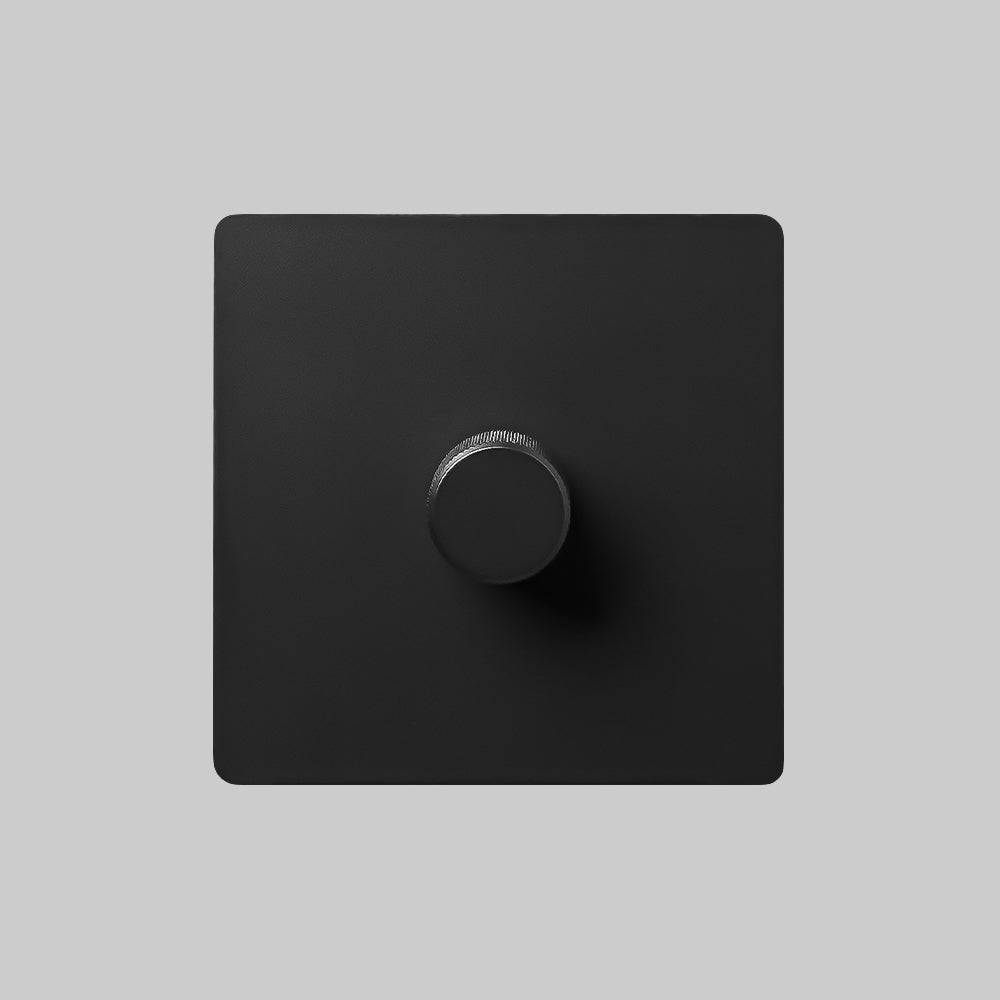
Repenic dimmers excel in UK homes: RD-250/RD-400 handle dimmable LEDs, Halogen, Incandescent; fit MK/BG grids; V0 fire-rated; 5-year warranty. Zigbee variants (black steel, brass, white 1-4 gang) integrate with Homey/Hubitat, no neutral needed.
| Feature | DIY Hacks | Repenic Dimmers |
|---|---|---|
| Dimming Range | Fixed 30-70% | 1-100%, programmable |
| LED Load | Varies, risky | 5-250W/400W (R,C) |
| Multi-Gang | No | De-rated (1G=250W, 5G=75W) |
| Smart Control | Basic plugs | Zigbee 3.0, energy monitor |
| Install | DIY | Electrician, ≥25mm box |
Transition seamlessly: Dummy dimmers (brass/steel) enable multi-location control. Premium materials like solid brass match UK aesthetics.
Conclusion
These 5 DIY hacks offer immediate ways to dim LED lights without a dimmer, ideal for UK renters or quick fixes. For reliable, professional control in renovations, Repenic's dimmers provide tailored solutions. Visit repenic.com for brass/steel options fitting your home.
FAQs
Can I dim non-dimmable LEDs safely? Yes, via diffusion or swaps, but avoid electrical mods—use Repenic for dimmable setups.
Do Repenic dimmers need a neutral wire? No, Zigbee models don't; fits standard UK boxes.
What's the best Repenic dimmer for LEDs? RD-250 (5-250W) or RD-400 (5-400W) with trailing-edge.
Are Repenic dimmers UK grid compatible? Yes, MK, BG, DETA, etc.
How to install Repenic multi-way? By qualified electrician; up to 5 RD-MP units.