
Cozy living room lighting without a main dimmer relies on layering three light types: ambient (floor lamps, string lights), task (table lamps near seating), and accent (LED strips, puck lights). Combine warm 2700–3000K bulbs with dimmable fixtures, and use smart dimmers or dummy switches for multi-way control across lamps without rewiring or installation.
Check: How to Dim LED Lights Without a Dimmer: 5 Simple UK Hacks?
Why Do You Need Layered Lighting Instead of a Single Main Dimmer?
A single overhead light creates a flat, uninviting space; layered lighting combines ambient, task, and accent fixtures to eliminate shadows, add depth, and let you adjust mood instantly without relying on one main dimmer.
The days of relying on a single "big light" overhead are gone. Modern interior design prioritises layered lighting—a strategy that transforms how your living room feels throughout the day and evening. Rather than installing a costly main dimmer switch, you can achieve superior control and ambiance by combining multiple light sources at different heights and intensities.
The problem with a single overhead fixture is that it casts harsh shadows, flattens architectural features, and offers limited flexibility. When you layer lighting, you distribute illumination across the room, creating depth and visual interest. This approach is particularly valuable for UK homeowners in period or semi-detached homes, where rewiring for a main dimmer may require significant structural work or isn't practical during renovation.
Layered lighting also gives you granular control over mood. You can brighten the room for reading or entertaining, then dial down to a warm glow for relaxation—all without touching a main switch. This flexibility is why interior designers universally recommend the three-layer approach: ambient, task, and accent lighting working in concert.
What Are the Three Essential Lighting Layers for a Cozy Living Room?
The three layers are: ambient (general room illumination via floor lamps or ceiling fixtures), task (focused light for reading or work via table lamps), and accent (decorative or highlighting light via wall sconces, LED strips, or spotlights).
Understanding each layer ensures your living room feels intentional and adaptable:
Ambient Lighting is your base layer—the general illumination that fills the room. Instead of a harsh overhead, use tall floor lamps positioned in corners or beside seating areas. Arc lamps work beautifully here, casting light upward and outward. String lights draped along walls or shelving add softness without wiring. Battery-operated puck lights under shelving or along ceiling joists provide gentle background glow, ideal for renters or temporary setups.
Task Lighting serves a practical purpose: reading, working, or detailed activities. Table lamps on side tables, console tables, or shelves are the workhorses of cozy lighting. Position them at eye level when seated to reduce glare and eye strain. Swing-arm wall lamps offer flexible, space-saving task lighting without floor clutter. Dimmable table lamps amplify your control—you can set them bright for reading, then dim for ambiance.
Accent Lighting is the jewel in the crown—the layer that adds drama and draws attention to your favourite features. Picture lights above artwork, directional spotlights highlighting a feature wall, LED strips behind floating shelves, or decorative wall sconces flanking a fireplace. This layer is where personality shines through and where warm, subtle lighting creates the "wow" factor.
The golden rule: combine all three layers in one room. A small living room might use a single floor lamp (ambient), one table lamp (task), and puck lights under shelving (accent). A larger space can accommodate multiple fixtures in each category, giving you even more control and visual richness.
How Can Warm Bulbs and Color Temperature Transform Your Space Without Rewiring?
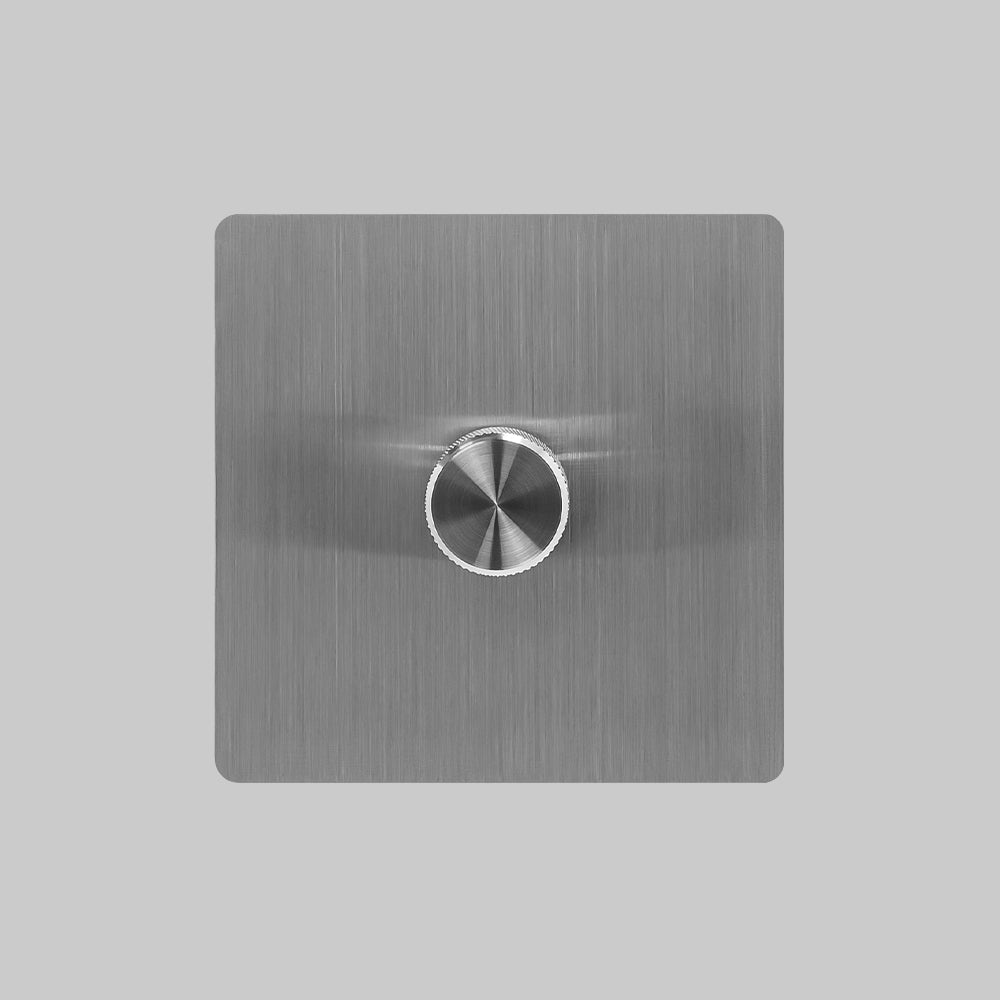
Check: Dimmer switch
Warm LED bulbs at 2700–3000K mimic incandescent light, creating intimate atmospheres; pair them with dimmable fixtures to adjust intensity without rewiring, and choose high-lumen options (800–1600 lumens) to balance warmth with visibility.
Colour temperature—measured in Kelvin (K)—is invisible but profoundly impacts how your room feels. Cool, bright light (4000K+) energises and clarifies; warm light (2700–3000K) soothes and relaxes. For cozy living rooms, warm is non-negotiable.
LED technology has revolutionised this choice. Modern dimmable LEDs at 2700K deliver the golden glow of vintage incandescent bulbs without the heat or energy waste. They're compatible with most fixtures and, critically, they work seamlessly with dimmers—both traditional and smart.
When selecting bulbs, look for "warm white" labelling and the 2700–3000K range. Check the lumen output: 800–1600 lumens per main fixture balances warmth with adequate visibility. A 60W-equivalent warm LED (around 800 lumens) in a table lamp feels intimate; a 100W-equivalent (1200+ lumens) in a floor lamp provides gentle general light.
The magic happens when you pair warm bulbs with dimmable fixtures. Dimmable LEDs allow you to lower brightness without losing colour warmth—a feature that non-dimmable bulbs can't match. This means you can start your evening with moderate brightness, then gradually dim to a soft, candlelit ambiance as the night progresses, all without rewiring or installing complex systems.
For UK homes, ensure your bulbs are compatible with your chosen fixtures. Many modern dimmers, including Repenic's range of smart and manual dimmers, support both trailing-edge and leading-edge dimming modes, optimising performance with different LED types. This flexibility ensures flicker-free, smooth dimming across all your layered lights.
Which Plug-In and Battery-Operated Fixtures Work Best for Renter-Friendly Setups?
Plug-in wall sconces, string lights, battery-operated puck lights, and plug-in pendant lights require no wiring or installation, making them ideal for renters; they're flexible, affordable, and deliver professional ambiance without landlord approval or electrician costs.
If you're renting or prefer non-invasive lighting, plug-in and battery-powered options are game-changers. They deliver professional results without drilling, wiring, or permanent changes.
Plug-In Wall Sconces: These are mounted directly onto walls and plug into nearby outlets. They free up floor space, add vertical interest, and create elegant accent lighting. Position them symmetrically on either side of artwork, a fireplace, or a mirror for balanced impact. Many come with remote controls for added convenience.
Plug-In Pendant Lights: Hung from ceiling hooks or rods, these provide overhead illumination without ceiling wiring. Ideal for dining areas or reading nooks, they're available in countless styles—from farmhouse to modern—and can be repositioned easily. Hang them at varying heights for visual depth.
String Lights: Whether Edison-style bulbs or fairy lights, plug-in string lights instantly add warmth and character. Drape them along walls, wrap around shelves, or hang diagonally across a corner. They're particularly effective in creating a boho or relaxed vibe and work beautifully as ambient or accent layers.
Battery-Operated Puck Lights: These small, wireless fixtures stick under cabinets, inside bookshelves, or along ceiling edges. They're perfect for dark corners or accent highlighting. Many offer adjustable colour temperatures and remote controls, giving you precise ambiance control without any installation.
The advantage of these options is flexibility and reversibility. You can experiment with placement, adjust as your room evolves, and take everything with you if you move. For renters, they're the ultimate solution to creating a personalised, cozy space within landlord constraints.
How Do Repenic Smart Dimmers Enable Multi-Way Lamp Control Without Main Switches?
Repenic's Zigbee Smart Dimmers allow multiple dimmers on a single circuit for 2-way or 3-way control; they require no neutral wire, fit standard UK back boxes (25mm+), and support dimmable LEDs at 5–250W, enabling precise lamp dimming from multiple locations.
If you want to move beyond simple plug-ins and add intelligent control to your layered lighting, Repenic's smart dimmer range offers a UK-specific solution that doesn't require a main dimmer installation or extensive rewiring.
Repenic's Zigbee Smart Dimmers are engineered for UK homes. They work with dimmable LED, halogen, and incandescent bulbs at 5–250W (or 5–400W for higher-capacity models), supporting both trailing-edge and leading-edge dimming modes for flicker-free performance. Crucially, they require no neutral wire—a major advantage in older UK properties where neutral runs may be absent or inaccessible.
What sets Repenic apart is multi-way capability. Unlike traditional dimmers, you can install multiple Repenic smart dimmers on the same circuit, enabling 2-way or 3-way control. This means you can dim your living room lamps from the doorway, the sofa, or even via smartphone through compatible Zigbee 3.0 gateways like Homey or Hubitat. Each dimmer operates independently or in sync, giving you unprecedented flexibility.
The dimmers fit standard UK grids (MK, BG, DETA, Hager, Hamilton, Crabtree, Schneider, and Wandsworth) in back boxes of 25mm depth or greater. They're available in 1, 2, 3, and 4-gang configurations with premium finishes: solid brushed brass, black steel, white steel, or stainless steel. This means you're not compromising aesthetics for functionality.
Installation is straightforward for a qualified electrician. The dimmer connects to your existing circuit, controlling one or more lamps. No main dimmer needed—you're simply adding smart control to individual fixtures. This approach is perfect for living rooms where you want to dim floor lamps, table lamps, and accent lights independently or together.
| Repenic Dimmer Model | Wattage Range | Key Features | Best For |
|---|---|---|---|
| Zigbee Smart Dimmer (RD-250ZG) | 5–250W (LED/Halogen/Incandescent) | No neutral required; Zigbee 3.0; BOOST mode; energy monitoring; OTA upgrades; multi-way capable (max 1 smart + 2 multiway on circuit) | Smart-enabled living rooms; multi-location control; energy-conscious users |
| Manual Dimmer Switch (RD-250) | 5–250W (LED/Halogen/Incandescent) | Trailing/leading edge; programmable min/max brightness; BOOST mode; no neutral required; 2-way/multiway compatible | Traditional lamp control; users preferring manual dimmers; budget-conscious setups |
| Manual Dimmer Switch (RD-400) | 5–400W (LED/Halogen/Incandescent) | Higher wattage capacity; same features as RD-250; ideal for larger installations | Larger living rooms with multiple high-wattage lamps |
What Is BOOST Mode and Why Does It Matter for Low-Level Ambient Lighting?
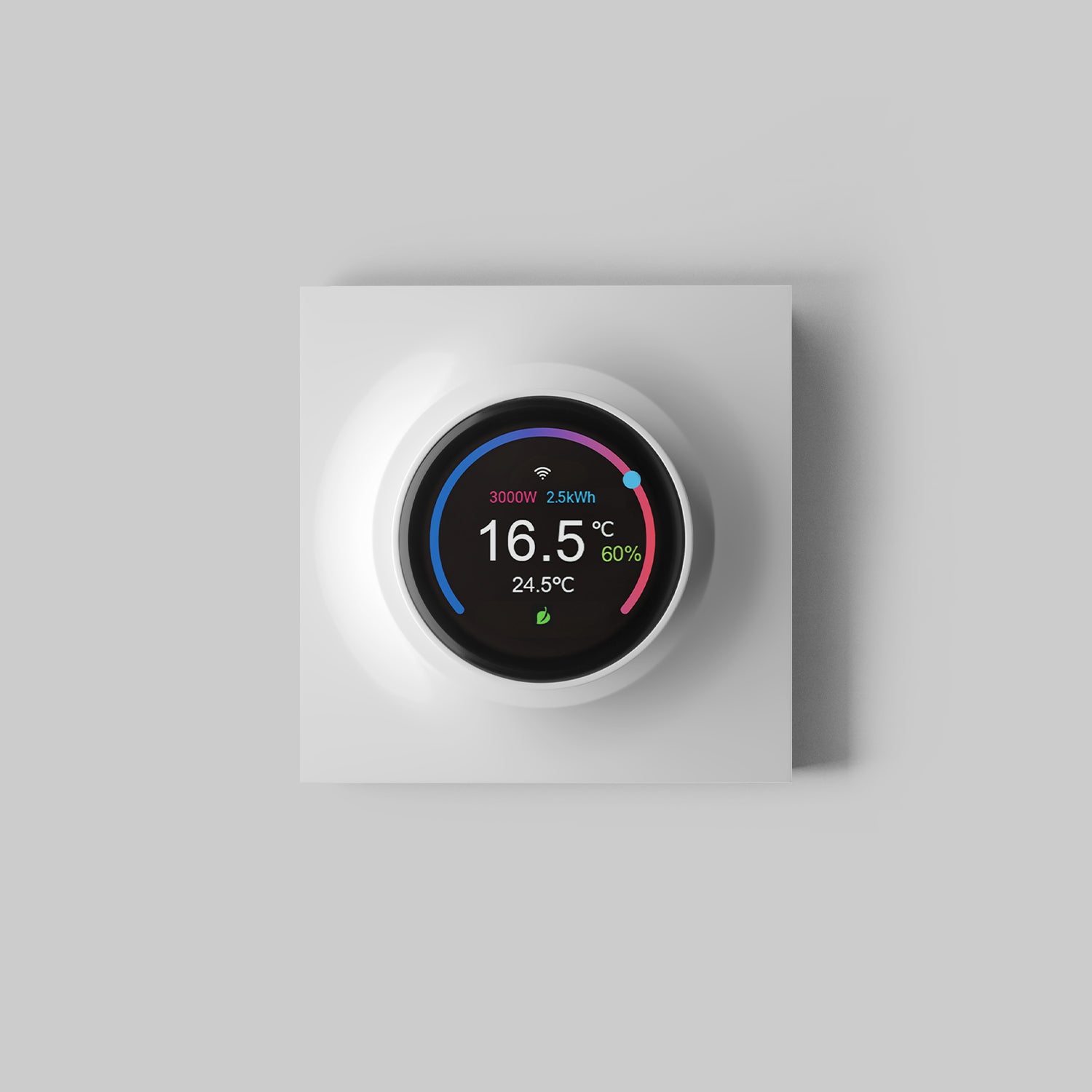
BOOST mode automatically activates low-level illumination for bulbs that won't light at minimal brightness; it's essential for creating authentic ambient glow without flickering, ensuring dimmable LEDs perform reliably at 1–10% brightness.
One of the most frustrating aspects of dimming LEDs is the "dead zone"—a range of very low brightness where the bulb flickers or refuses to illuminate. This ruins the cozy ambiance you're trying to create. Repenic's BOOST mode solves this problem.
BOOST mode intelligently detects when a bulb struggles to light at low levels and temporarily boosts the signal to ensure smooth, flicker-free illumination. Once the bulb stabilises, the mode releases, allowing you to dim gradually to true candlelit levels. The result is authentic, intimate lighting without the frustration of flickering or dark spots.
This feature is particularly valuable in cozy living room setups where you're using multiple dimmable LEDs at varying brightness levels. A floor lamp might be at 30% brightness (ambient), a table lamp at 50% (task), and accent puck lights at 10% (mood). Without BOOST mode, that 10% accent light might flicker or fail. With it, you get reliable, smooth dimming across all layers.
For UK homeowners using Repenic dimmers, BOOST mode comes enabled by default on both smart and manual models. You can adjust or disable it if needed, but most users find it essential for achieving the cozy, flicker-free ambiance they desire.
Can You Create a Cozy Setup Using Dummy Dimmers for 2-Way or 3-Way Control?
Dummy dimmers (companion switches) paired with Repenic dimmers enable 2-way or 3-way lamp control from multiple locations; they're installed alongside main dimmers in multi-gang plates and require no separate wiring, offering seamless aesthetic and functional control.
If your living room has multiple entry points or seating areas, controlling lamps from a single location may feel limiting. Repenic's dummy dimmers solve this elegantly.
A dummy dimmer is a companion switch that looks identical to a real dimmer but functions as an on/off control. Paired with a Repenic dimmer, it enables 2-way control: dim your floor lamp from the doorway, then adjust it again from the sofa without leaving your seat. For larger living rooms with three or more light control points, you can add multiple dummies to create 3-way or even 4-way setups.
Repenic offers dummy dimmers in solid brass and steel finishes, matching their dimmer range perfectly. They're available in 1, 2, 3, and 4-gang configurations, fitting standard UK back boxes (25mm+). Load capacity is 6A, sufficient for most lamp circuits.
Installation pairs the dummy with a main Repenic dimmer on the same circuit. The electrician runs a two-core cable between them—no complex wiring required. The result is a multi-gang plate where the main dimmer controls brightness and the dummy (or dummies) provide convenient on/off switching from other locations.
For example, in a large living room, you might install a Repenic dimmer near the main seating area and dummy dimmers near the doorway and at a reading nook. All three control the same floor lamp circuit, but only the main dimmer adjusts brightness—the dummies simply toggle on/off. This setup offers convenience without overwhelming complexity.
What Are the Best Practices for Positioning Lamps to Maximize Cozy Ambiance?
Position lamps at varying heights (floor, table, shelf); place task lights at eye level when seated; use corner placement for ambient glow; and arrange fixtures in odd numbers (3, 5) for visual balance and shadow elimination.
Lamp placement is as important as the lamps themselves. Strategic positioning amplifies coziness and ensures even, flattering light distribution.
Height Variation: Use lamps at three different heights: floor level (tall arc or floor lamps), table height (side tables, consoles, shelves), and eye level or above (wall sconces, picture lights). This vertical layering creates depth and prevents the room from feeling flat.
Corner Placement: Position ambient lamps (floor lamps, tall fixtures) in corners. Corners are naturally shadowy; lighting them eliminates harsh contrasts and fills the room with soft, diffused glow. A corner floor lamp paired with a dimmer creates an instant cozy focal point.
Eye-Level Task Lighting: When seated on your sofa or favourite chair, your task lamp should be at eye level—typically 40–50 inches from the floor. This angle reduces glare, minimises shadows on reading material, and feels more comfortable for extended periods. Swing-arm wall lamps are perfect for this, as they adjust precisely.
Odd Numbers Rule: Arrange lamps in groups of 3, 5, or 7 rather than pairs or even numbers. This asymmetry feels more natural and dynamic. For example, a floor lamp in one corner, a table lamp on a side table, and a wall sconce above artwork create visual interest; two identical lamps feel static by comparison.
Avoid Centering: Don't place lamps directly in the centre of walls or spaces. Off-centre placement feels intentional and interesting. A table lamp on a corner shelf, rather than the middle of a console, creates more compelling light distribution.
Distance from Seating: Position task lamps 12–18 inches to the side of where you sit, not directly behind or in front. This angle prevents glare in your eyes and casts light across reading material without harsh shadows.
Repenic Expert Views: At Repenic, we've spent years helping UK homeowners solve lighting challenges in real homes—period properties with awkward wiring, semi-detached homes with limited circuit access, and renovations where main dimmer installation simply isn't practical. Our Zigbee Smart Dimmers and manual Dimmer Switches are engineered specifically for these scenarios. The no-neutral requirement means you can add dimming control to existing circuits without rewiring. Multi-way capability lets you control lamps from multiple locations seamlessly. And features like BOOST mode ensure your beautiful warm LEDs perform flawlessly at low brightness, delivering the authentic cozy ambiance you deserve. We're not just selling dimmers—we're solving real problems for real UK homes.
Conclusion
Creating cozy living room lighting without a main dimmer is entirely achievable—and often superior to relying on a single overhead switch. By embracing layered lighting (ambient, task, and accent), choosing warm 2700–3000K bulbs, and strategically positioning fixtures at varying heights, you transform your space into an intimate, flexible environment.
For renters or those avoiding rewiring, plug-in and battery-operated options deliver professional results without installation. For homeowners seeking intelligent control, Repenic's no-neutral Zigbee Smart Dimmers and manual Dimmer Switches enable multi-way lamp control with features like BOOST mode and flicker-free dimming—all without a main dimmer installation. Pair these with dummy dimmers for seamless 2-way or 3-way control across your living room.
The key is intentionality: combine multiple light sources, choose warm tones, position thoughtfully, and invest in reliable dimming technology. The result is a living room that feels warm, welcoming, and entirely under your control—no matter the time of day or occasion.
Frequently Asked Questions
Do I need a qualified electrician to install Repenic dimmers?
Yes. UK regulations require a qualified electrician to install any hardwired electrical fixture, including dimmers. Repenic products must be installed by a certified professional to ensure safety, compliance with building codes, and proper functionality. However, the installation process is straightforward—typically a simple circuit connection requiring no main rewiring.
Will Repenic dimmers work with my existing LED bulbs?
Repenic dimmers support dimmable LED, halogen, and incandescent bulbs. However, not all LEDs are dimmable. Check your bulb packaging for "dimmable" labelling. Repenic's trailing-edge and leading-edge modes optimise performance with different LED types, and BOOST mode ensures flicker-free dimming even with challenging bulbs. If you're unsure, consult the product specifications or contact Repenic support.
Can I use Repenic dimmers with smart home systems like Google Home?
Repenic's Zigbee Smart Dimmers are compatible with any Zigbee 3.0 gateway, including platforms like Homey and Hubitat. They offer enhanced features on open platforms. However, direct integration with Google Home or Alexa requires a compatible Zigbee hub. Check your smart home setup's compatibility before purchasing.
What's the difference between Repenic's manual and smart dimmers?
Manual dimmers (RD-250, RD-400) offer traditional rotary control with programmable brightness, BOOST mode, and 2-way/multiway capability. Smart dimmers (RD-250ZG) add Zigbee 3.0 connectivity, remote control, energy monitoring, and OTA upgrades. Both deliver flicker-free dimming and no-neutral installation. Choose manual for simplicity and budget; choose smart for advanced features and remote control.
Are Repenic dimmers suitable for period homes and older properties?
Yes. Repenic dimmers are specifically designed for UK homes, including period properties. The no-neutral requirement is a major advantage in older homes where neutral wiring may be absent or inaccessible. They fit standard UK grids (MK, BG, DETA, etc.) in back boxes of 25mm depth or greater, making them ideal for retrofitting without extensive rewiring.