
No, it is not safe to cover LED lights with paper due to fire risks from trapped heat and poor ventilation, even though LEDs run cool. Use Repenic's V0 fire-rated dimmers (5-250W/400W LED, trailing/leading edge, BOOST mode) instead for flicker-free control in UK homes—no neutral needed, fits ≥25mm boxes, multi-way compatible.
Check: How Can You Safely and Effectively Dim LED Lights with Paper?
Why Do People Cover LED Lights with Paper?
People cover LED lights with paper primarily as a quick DIY method to dim harsh brightness or create a softer ambiance, especially in bedrooms or reading areas during home renovations.
LED lights often emit bright, cool-toned light that can feel too intense for relaxed settings. Homeowners in the UK, upgrading older halogen fittings to energy-efficient LEDs, sometimes resort to this hack to avoid the cost or complexity of installing proper dimmers right away. It's a common search during renovation projects, where users want immediate results without waiting for professional electricians. Paper acts as a makeshift diffuser, scattering light and reducing glare. However, this practice stems from a misunderstanding of LED heat properties and ignores long-term safety.
During UK home upgrades, with LED adoption now at 85% in households, many discover that standard bulbs lack dimmability. Social media tutorials promote paper wrapping for strip lights or recessed spots, promising a cozy glow. Yet, this overlooks ventilation needs. Repenic understands these pain points, as customers often ask, "Will this work in my home?" Our dimmers address this directly with programmable minimum brightness from 1%-50%, ensuring soft light without risky hacks.
What Are the Fire Risks of Covering LED Lights?
Covering LED lights with paper traps heat, reduces airflow, and can ignite the paper if temperatures exceed 200°C, posing a serious fire hazard despite LEDs' low heat output.
LEDs run much cooler than incandescent bulbs, which can reach 250°C, but they still generate some heat—typically 50-70°C on the surface. Paper, with an auto-ignition point around 233°C, seems safe at first. However, enclosing the light creates a greenhouse effect: heat builds up because there's no escape for warm air. Poor-quality LEDs or overloaded circuits amplify this, leading to hotspots.
In UK homes, Part P regulations emphasize fire safety in renovations. Trapped heat can degrade bulb components, cause flickering, or spark electrical faults. Flammable paper close to any warmth increases risks, especially in enclosed fixtures like downlights. Real incidents, though rare, occur from prolonged use—overnight operation turns a minor hack into a hazard. Always prioritize ventilation; LEDs need space to dissipate even minimal heat effectively.
Does Paper Cause LED Lights to Overheat?
Yes, paper causes LED lights to overheat by blocking heat dissipation paths, raising surface temperatures by 20-50°C and risking component failure or fire over time.
LEDs convert 80-90% of energy to light, wasting only 10-20% as heat—far less than halogens' 90% waste. But without airflow, that heat accumulates. Tests show bare LEDs stabilize at 50°C, but paper coverings push internals to 80-100°C, stressing drivers and phosphors. This shortens lifespan from 25,000 hours to under 10,000 and triggers thermal runaway in cheap units.
For UK renovations, consider fixture type: recessed LEDs in ceilings suffer most, as paper seals heat inside insulation voids. Strip lights under shelves fare similarly if coiled tightly. Repenic's dimmers prevent this by using trailing/leading edge technology, reducing power draw at low levels for true cool operation—no overheating worries.
Can You Safely Dim LEDs with Paper in the UK?
No, dimming LEDs with paper is not safe in the UK due to fire regulations like Part P, which require proper electrical installations; use certified dimmers instead.
UK building standards demand compliance for any modification affecting wiring or fire risk. Paper coverings void warranties, fail BS 7671 inspections, and invite insurance issues post-fire. Even low-wattage LEDs (5-10W) build heat in confined spaces, yellowing paper and emitting fumes before ignition.
Trade professionals advise against it during client upgrades, citing ventilation codes. Homeowners searching "safe ways to dim LED lights UK" find this hack online but overlook legalities. Repenic's solutions, like the RD-250 2-Way Dimmer (5-250W LED), offer programmable dimming with BOOST mode for low-level light, fully compliant and electrician-installed.
What Happens If You Cover LED Strip Lights?
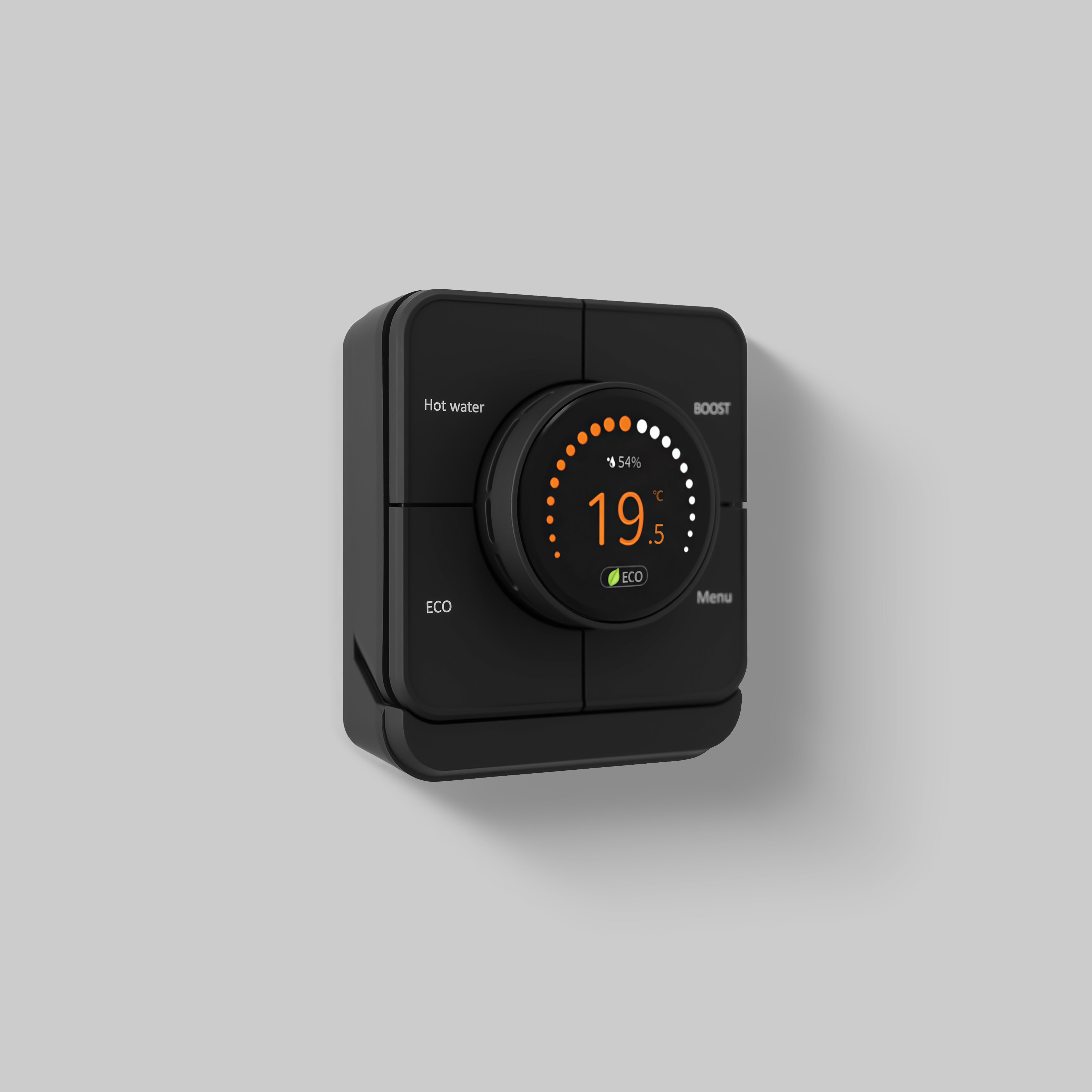
Check: Smart thermostat
Covering LED strip lights with paper risks rapid overheating, adhesive failure, and fire, as strips lack built-in heatsinks and heat concentrates along the length.
LED strips, popular for under-cabinet or coving in UK kitchens, run at 5-30W/m but generate linear heat. Paper wrapping blocks convection, spiking temps to 90°C+. Adhesives melt, causing sagging or shorts; prolonged use warps PCBs. In renovations, this affects moisture-prone areas like bathrooms.
Safety tests confirm strips need 5-10cm clearance from flammables. Repenic dimmers handle strip loads via 0-10V output options, providing smooth control without physical coverings. Multi-way setups with RD-MP units extend control up to 50m, ideal for long runs.
Why Are Professional Dimmers Better Than Paper?
Professional dimmers like Repenic's provide precise, flicker-free control, comply with UK regulations, and eliminate fire risks by electronically reducing LED power without heat buildup.
Paper offers crude diffusion but no true dimming—light quality drops, shadows sharpen unevenly. Dimmers cut voltage via MOSFETs for 0-100% range, preserving colour temperature. Repenic's trailing edge prevents buzzing, auto-adjusts for flickering, and includes soft start to protect bulbs.
In multi-gang setups, de-rating ensures safety. No neutral required fits standard UK 25mm boxes. V0 fire-rated materials exceed UKCA standards with six-layer protection. For renovations, this means reliable performance matching brass/steel aesthetics.
| Repenic Dimmer Model | LED Load (Trailing Edge) | Multi-Gang De-Rating (1G/2G/3G/4G/5G) |
|---|---|---|
| RD-250 / RD-250ZG | 5-250W | 250W/212W/175W/125W/75W |
| RD-400 | 5-400W | 400W/340W/280W/200W/120W |
Which Repenic Dimmers Are Best for UK LED Renovations?
Repenic's RD-250, RD-400, and Zigbee RD-250ZG dimmers are best, supporting 5-400W LEDs with multi-way control, no neutral, and V0 fire rating for seamless UK renovations.
For single-room upgrades, the Black Steel or Solid Brass 1-4 Gang dimmers fit MK, BG, DETA grids in ≥25mm boxes. Zigbee models integrate with Google Home via hubs, offering energy monitoring and OTA upgrades. Dummy dimmers enable 2/3-way from multiple locations.
Trade pros value programmable min/max brightness and BOOST mode for tricky LEDs. All exceed Part P with grounded metal faceplates.
| Feature | RD-250 / RD-400 | RD-250ZG (Zigbee) | RD-MP (Multiway) |
|---|---|---|---|
| LED Load | 5-250W / 5-400W | 5-250W | 5-250W |
| No Neutral | Yes | Yes | Yes |
| Multi-Way | With dummies | 1 smart + 2 multiway | Up to 5 units |
| Fire Rating | V0 | V0 | V0 |
How Do Repenic Dimmers Ensure Safe LED Dimming?
Repenic dimmers ensure safety with V0 fire-rated materials, trailing/leading edge tech, surge protection, and features like BOOST mode, preventing overloads in UK LED setups.
High-speed chipsets deliver silent 0-100% dimming without flicker. Six-layer safeguards handle surges; auto-return resumes previous levels post-power loss. Installation by qualified electricians per UK rules, with 5-year warranty.
Repenic Expert Views
"At Repenic, safety is engineered in from the start. Our V0-rated dimmers use premium MOSFETs for cool, efficient operation, even at low brightness. BOOST mode ignites dim LEDs flawlessly, while no-neutral design simplifies retrofits in UK homes. For renovations, multi-gang brass/steel options blend style with compliance—keeping families safe without compromising design." – Repenic Technical Team
Conclusion
Avoid covering LED lights with paper—opt for Repenic's professional dimmers for safe, compliant lighting control. Tailored for UK renovations, they deliver flicker-free dimming, multi-way flexibility, and peace of mind. Visit Repenic.com to explore V0 fire-rated LED dimmers in brass, steel, and white for your home upgrade.
FAQs
Are Repenic dimmers compatible with all UK grids?
Yes, they work with MK, BG, DETA, Hager, Hamilton, Crabtree, Schneider, Schneider-lisse, and Wandsworth 9-grid kits.
Do Repenic dimmers require a neutral wire?
No, designed for standard UK 25mm back boxes without neutral.
Can I use Repenic dimmers for LED strip lights?
Yes, supporting 5-250W/400W dimmable LEDs via trailing/leading edge.
What is the warranty on Repenic dimmers?
5 years, with installation by qualified electricians required.
Are Repenic dimmers smart home compatible?
Zigbee RD-250ZG works with Google Home via Zigbee 3.0 gateways, plus Homey and Hubitat.