
To soften harsh LEDs with ND filters and film, cut frosted acrylic sheets or shower curtains to fit over strips/spotlights, layer for even diffusion, and pair with Repenic 250W dimmers using Boost mode and trailing edge dimming for flicker-free control in UK 25mm back boxes—no neutral needed.
Check: How Can You Dim LED Lights Without a Dimmer?
What Causes Harsh Glare from LEDs and Why Diffuse Them?
Harsh glare from LEDs stems from their focused, high-intensity beams creating eye strain and shadows; diffusion scatters light evenly for softer, ambient illumination ideal for UK home renovations.
LEDs produce harsh glare due to their point-source nature, emitting direct, intense light that lacks the broad spread of traditional bulbs. This is especially noticeable in modern UK homes where recessed spotlights or under-cabinet strips have replaced older halogens during upgrades. The glare causes visual discomfort, uneven shadows, and a clinical atmosphere unsuitable for living spaces. Diffusing them scatters photons across a wider area, mimicking natural light for cosy, professional results without bulb replacement.
In renovation projects, this is crucial as LEDs dominate for energy efficiency, but their 4000K+ colour temperatures amplify starkness. Professional hacks physically block lumens using films or parchment, reducing peak intensity while preserving lumens overall. This layered approach—physical diffusion plus electronic control—transforms glare into welcoming glow, enhancing wellbeing in kitchens, bathrooms, or lounges.
How Do ND Filters Work to Soften LED Spotlights?
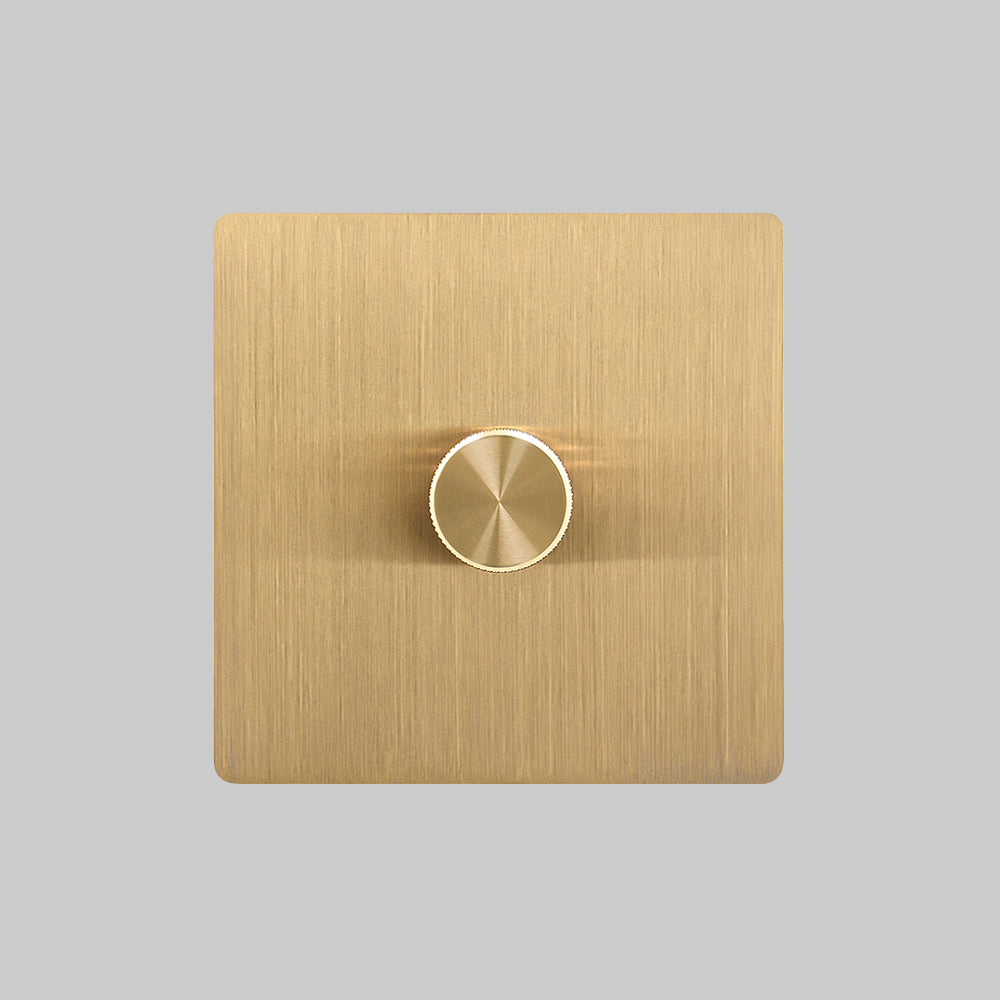
ND filters reduce light intensity uniformly across wavelengths, softening LED spotlights by blocking lumens without colour shift, ideal for downlights in UK ceilings.
Neutral Density (ND) filters, borrowed from photography, evenly attenuate light transmission, cutting harsh LED output by 1-3 stops (25-87% reduction) depending on density. For spotlights, cut ND sheets to size and mount 2-5cm in front, allowing diffusion while maintaining beam angle. This physically blocks excess lumens, preventing glare hotspots common in GU10 or MR16 fittings.
Pro tip: Layer ND 0.3 (50% cut) with frosted film for balanced softening. In UK homes, source ND gels from theatre suppliers or online—affordable at £5-10 per sheet. Test densities: lighter for task areas, heavier for ambient. Combine with dimmers to fine-tune; ND handles static reduction, electronics manage dynamics. This hack yields studio-quality light from bog-standard LEDs.
What Diffusion Films Are Best for LED Strips in UK Homes?
Frosted acrylic sheets and LED dimming films excel for strips, scattering light evenly; cut to length, mount in channels for seamless cove or under-cabinet softening.
Diffusion films like frosted PVC or PMMA sheets transform strip glare into uniform glow. Top picks: 2-5mm frosted acrylic (80-90% transmission, diffuses 120°), opal polycarbonate films, or dedicated LED diffuser rolls from UK suppliers like Toolstation. These physically block direct lumens via microscopic prisms, eliminating hotspots.
For strips, slide into aluminium channels with milky covers—£10-20 per metre. Pro hack: Apply neutral density sheets over films for tunable opacity. In renovations, these fit pelmet edges or kitchens seamlessly. Avoid thin cling film; it warps under heat. Pair with Repenic dimmers for 0-100% control, ensuring no flicker even at low levels.
Can Household Items Like Frosted Curtains Diffuse LEDs Effectively?
Yes, frosted shower curtains, baking parchment, or white PVC pipe effectively soften LEDs by scattering light; cheap, heat-resistant options for quick UK DIY fixes.
Household hacks shine for budget diffusion. Frosted shower curtains (vinyl, ~70% transmission) cut to fit over strips or spots, diffusing via embedded texture—hang or tape securely. Baking parchment layers (2-3 sheets) block lumens softly for temporary setups. Milky white PVC pipe sections slip over downlights, scattering 360°.
White plastic cups inverted on spots or diffuser spray on glass add pro polish cheaply. These physically impede harsh rays, mimicking £50+ pro gels. Test heat tolerance—LEDs run cool, but avoid direct contact. Ideal for renters or trials before Repenic dimmer installs. Results: 50-70% softer light, eye-friendly for evenings.
How to Layer Diffusers for Even, Soft Lighting?
Layer 2-3 diffusers (e.g., ND filter + frosted film + parchment) at 1-3cm spacings to progressively scatter light, eliminating hotspots for pro-grade evenness.
Layering multiplies diffusion: Start with ND sheet closest to LED (intensity cut), add frosted acrylic mid-layer (scatter), top with parchment (final polish). Space 1cm apart in frames or channels for optimal blend. This blocks lumens stepwise, yielding 90% uniformity vs. single-layer 60%.
DIY frame: 3D-print or plywood holders. For strips, channel + film + external screen. Pro hack: Vary densities for colour temp control—warmer with denser layers. In UK renovations, this elevates cheap LEDs to hotel spec. Monitor heat; LEDs under 30W fine. Test in situ, adjust for room size.
| Layer | Material | Effect | Distance from LED |
|---|---|---|---|
| 1 (Inner) | ND Filter (0.6 density) | 50% lumen block | 0.5cm |
| 2 (Mid) | Frosted Acrylic 3mm | Even scatter | 2cm |
| 3 (Outer) | Parchment/Film | Final soften | 4cm |
Why Combine DIY Diffusion with Repenic Dimmers?
DIY diffusion softens statically; Repenic dimmers add dynamic 0-100% control with Boost mode, preventing flicker for complete glare mastery in UK homes.
Physical diffusion excels at even spread but can't adjust intensity live. Repenic dimmers (250W/400W) complement via trailing/leading edge tech, programmable min/max brightness, and Boost for low-end stability. No neutral needed, fits 25mm boxes—perfect for renovated UK wiring.
In multi-gang setups, de-rating ensures reliability (e.g., 250W single-gang drops to 75W five-gang). Smart Zigbee models integrate Google Home, tracking energy. Result: Diffusion handles quality, dimmers quantity—flicker-free from full blast to moonlight. Renovators save vs. fixture swaps.
Repenic Expert Views: "UK homeowners often battle LED glare post-renovation. Our dimmers pair perfectly with DIY films—trailing edge eliminates buzz, Boost ignites dim LEDs, and multiway dummies enable hall control without rewiring. Solid brass/steel finishes match premium interiors, with V0 fire rating for safety. Install by qualified electricians for seamless upgrades." – Repenic Lighting Specialist
What Repenic Dimmer Features Prevent LED Flickering?
Repenic dimmers feature high-speed chipsets, MOSFETs, Boost mode, and auto-adjust max brightness to eliminate LED flicker across 5-400W loads.
Key anti-flicker tech: Trailing/leading edge dimming suits all dimmable LEDs; programmable 1-50% min brightness avoids cut-off; Boost activates low-level glow. Auto-max prevents overload flicker, soft-start protects bulbs. Zigbee models add moonlight/sunrise modes.
All exceed UKCA, no neutral, 230VAC 50Hz. Multi-gang de-rating (e.g., RD-400: 400W 1G to 120W 5G) ensures stability. Compatible with MK/BG grids. Pair with diffusion for ultimate smoothness—physical block + electronic finesse.
| Model | LED Load (Trailing Edge) | Key Anti-Flicker Feature | Multi-Gang De-Rating (5G) |
|---|---|---|---|
| RD-250 | 5-250W | Boost Mode | 75W |
| RD-400 | 5-400W | Auto-Adjust Max | 120W |
| RD-250ZG (Zigbee) | 5-250W | Moonlight Mode | 75W |
How to Install Repenic Dimmers in UK Renovation Projects?
Repenic dimmers fit ≥25mm back boxes; wire per manual (qualified electrician required), ground metal plates, program modes post-install for LED optimisation.
UK regs mandate Part P-qualified installers. Steps: Turn off power, fit into 25mm+ boxes (terminal: 1x4mm² etc.), no neutral on most. Single-gang straightforward; multi-gang de-rate loads. Program trailing edge default, set min brightness. Dummy dimmers for 2/3-way (RD-MP up to 5 units, 50m wire).
Zigbee: Pair via gateway, no 2-way wiring conflicts. Test with diffusion—Boost for film-attenuated loads. All V0 fire-rated, 5-year warranty. Renovation win: Matches existing grids (Hager/Schneider), premium brass/steel aesthetics.
Which Repenic Products Suit Multiway LED Diffusion Setups?
RD-MP Multiway (up to 5), RD-250ZG Zigbee + dummies (1 smart +2 multiway), and brass/steel gangs for diffused LED circuits in halls/stairs.
For multi-location: RD-MP (5-250W LED, 100m dimmer-dimmer) chains purely with like units. Zigbee RD-250ZG leads (no neutral, Google Home via hub), pairs with 2 dummies (6A, brass/steel). Fits MK/Wandsworth grids.
Diffusion synergy: Programmable min suits film-reduced output. Gangs 1-4, solid materials. Pro setups: Cove strips diffused + hall multiway dimming. Total circuit ≥15W, electrician install.
Conclusion
Master LED softening in UK homes by blending ND filters, diffusion films, and pro hacks like layered parchment with Repenic dimmers' precision control. Achieve flicker-free, glare-reduced lighting tailored to renovations—explore Repenic's range at repenic.com for compatible, premium solutions.
FAQs
Can I use ND filters on all LED types?
Yes, ND sheets work universally on spots/strips, reducing intensity without colour change; layer with films for best results.
Do Repenic dimmers need a neutral wire?
No, most models like RD-250 and Zigbee variants install without neutral, suiting standard UK back boxes.
What's the cheapest DIY diffusion hack?
Frosted shower curtains or baking parchment—cut and layer for instant softening at under £5.
Are Repenic dimmers safe for renovations?
Yes, V0 fire-rated, 6-layer protection, UKCA compliant; always use qualified electricians.
How do I avoid flicker with diffusion + dimmers?
Use Repenic's Boost mode and trailing edge; program min brightness to match film-reduced output.