
Dim bright LED displays for sleep with these 5 UK-safe hacks: 1) Add parchment diffusers; 2) Swap to lower wattage LEDs; 3) Use frosted covers; 4) Try smart plugs; 5) Install Repenic dimmers with 1-50% programmable min brightness and BOOST mode—no neutral needed, fits 25mm UK boxes, electrician install required.
Check: How Can You Safely and Effectively Dim LED Lights with Paper?
Why Are Bright LED Displays Disrupting Your Sleep in UK Homes?
Bright LED displays on routers, smart thermostats, and gadget status lights emit harsh blue light that suppresses melatonin, making it hard to sleep in UK bedrooms during renovations or nightly routines.
In UK homes, especially during renovations, bright LED displays from routers, alarm clocks, smart thermostats, and small screens become major sleep disruptors. These tiny lights—often fixed at maximum brightness—emit intense blue wavelengths that interfere with your circadian rhythm, keeping you awake long after lights out. Unlike room bulbs, these status indicators can't be switched off without losing functionality, turning your bedside or lounge into an unintended nightlight. Homeowners aged 25-55, juggling night shifts or young kids, report this as a top insomnia trigger amid rising smart home adoption. While renovations upgrade lighting, overlooked gadget displays create glare hotspots. Quick hacks offer relief, but for lasting control, professional dimmers address the root issue without compromising device operation.
What Are the Safest DIY Hacks to Dim LED Lights Without a Dimmer?
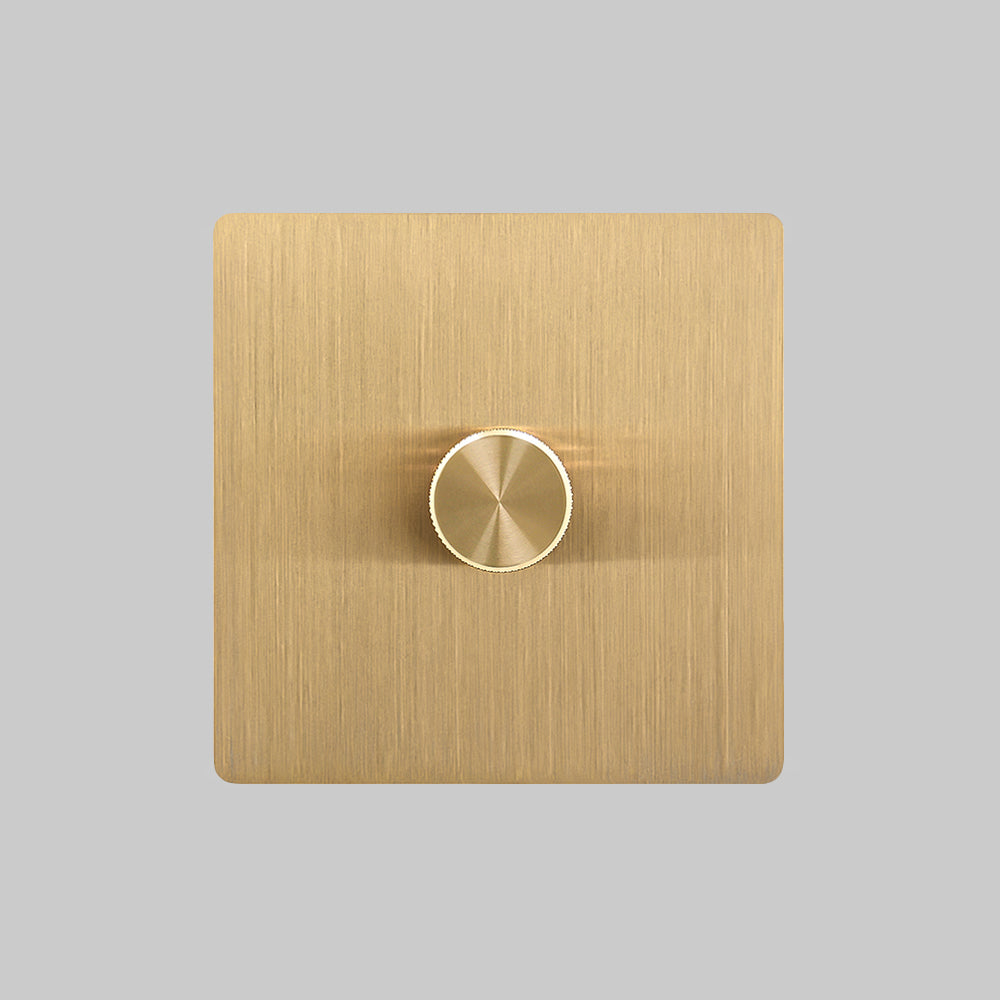
The safest UK DIY hacks include parchment diffusers, lower wattage swaps, frosted covers, smart plugs, and repositioning—avoiding electrical mods to prevent shocks, fires, or warranty voids under UK regulations.
For UK homeowners facing glaring LED status lights on routers or displays, start with non-invasive hacks that reduce brightness instantly without tools or wiring. These methods prioritise safety, complying with UK electrical rules that ban amateur circuit tweaks. First, apply a parchment paper diffuser over the LED for soft diffusion. Second, swap to lower wattage equivalents if possible. Third, add frosted plastic covers from craft stores. Fourth, use smart plugs for timed shutoffs where feasible. Fifth, reposition devices or add furniture barriers. These expand beyond bulbs to tackle small displays keeping you awake. While effective short-term, they lack precision—pushing many towards pro dimmers during renovations for adjustable, flicker-free control tailored to UK grids.
How Does a Parchment Paper Diffuser Quickly Soften LED Glare?
A parchment paper diffuser softens LED glare by scattering light through thin, translucent layers—cut to fit over displays like router LEDs, reducing intensity by 50-70% without heat or electricity risks.
One of the quickest hacks for bright LED screens or status lights is the parchment paper diffuser, ideal for UK bedrooms where router LEDs pierce the dark. Grab baking parchment (available at Tesco or Sainsbury's), cut a strip to match the display size, and tape it lightly over the light—ensuring no blockage of vents. This scatters harsh direct light into a gentle glow, cutting glare significantly while preserving visibility. YouTube tutorials show it taming ultra-slim LED panels by layering with plastic diffusers for extra softness. Safe for electronics, it avoids warranty issues and works on non-bulb displays like smart thermostat screens. For renovators, this buys time until installing dimmers with programmable min brightness. Test layers for your ideal dim level, refreshing paper monthly to prevent dust buildup.
Can Lower Wattage Bulbs or Voltage Tweaks Safely Reduce LED Brightness?
Swapping to lower wattage bulbs safely dims compatible LEDs by 30-50%, but avoid voltage tweaks like resistors—they generate heat, risk fires, and violate UK safety standards for household use.
Lower wattage swaps work well for bulb-based displays but extend cautiously to status lights. Replace a 9W LED bulb with a 5W dimmable equivalent in lamps or fixtures, reducing output without drivers. For small displays, check manuals for compatible lower-power options—common in routers or clocks. Voltage tweaks, however, are risky: adding resistors wastes energy as heat, potentially melting wires in UK 230V systems, while capacitors cause flicker or failures. DIY forums warn of early burnout and shocks. Stick to swaps for safety, especially in renovations near kids' rooms. This hack shines for quick relief but lacks adjustability—leading to pro solutions like Repenic dimmers supporting 5-250W LED loads with trailing edge dimming for smooth low-end performance.
Why Avoid Resistor or Capacitor Hacks for Non-Dimmable LEDs in the UK?
Avoid resistor or capacitor hacks on non-dimmable LEDs—they overheat, flicker, shorten lifespan, and breach UK Part P regulations, risking fines or fires; opt for diffusers or pro dimmers instead.
Resistor hacks series-limit current but dump excess as heat, unsuitable for enclosed UK gadgets like bedroom displays—leading to meltdowns or fires per HSE guidelines. Capacitor methods (seen in YouTube vids) promise discrete levels but induce unstable flicker, stressing drivers and voiding warranties. UK law mandates qualified electricians for mods, with Part P penalties up to £5,000 for unsafe DIY. Forums like Mike Holt highlight emergency light risks, amplified in homes. These hacks fail on status lights anyway, as they're low-voltage internals. Better: frosted covers or smart plugs. For renovations, Repenic's BOOST mode handles stubborn low-level LEDs safely, programmable from 1-50% without hacks.
How Do Repenic Dimmers Fix Low-Level LED Issues with BOOST Mode?
Repenic dimmers fix low-level LED issues via BOOST mode (default off), which amplifies faint lows for flicker-free 1-50% programmable brightness, ideal for status lights in UK renovations.
Repenic dimmers revolutionise control for bright LED displays beyond bulbs, targeting sleep-disrupting status lights. BOOST mode activates for LEDs flickering at minimums, ensuring they illuminate reliably down to 1%—perfect for dimming router or thermostat displays without total blackout. Programmable min brightness (1-50%) lets you set sleep-friendly levels, with auto-adjust max to kill flicker. Supporting 5-250W LED (R,C) loads, models like RD-250 fit 25mm UK back boxes, no neutral needed on some. Multi-gang de-rating ensures whole-home use: 1G=250W, 2G=212W. Installed by electricians, they offer 5-year warranty and V0 fire rating. Transition from hacks seamlessly—Repenic's solid brass or steel finishes match renovations.
| Gang | RD-250/250W (R,C) | RD-400/400W (R,C) |
|---|---|---|
| 1 Gang | 250W | 400W |
| 2 Gang | 212W | 340W |
| 3 Gang | 175W | 280W |
| 4 Gang | 125W | 200W |
| 5 Gang | 75W | 120W |
What Makes Trailing Edge Dimmers Ideal for UK LED Renovations?
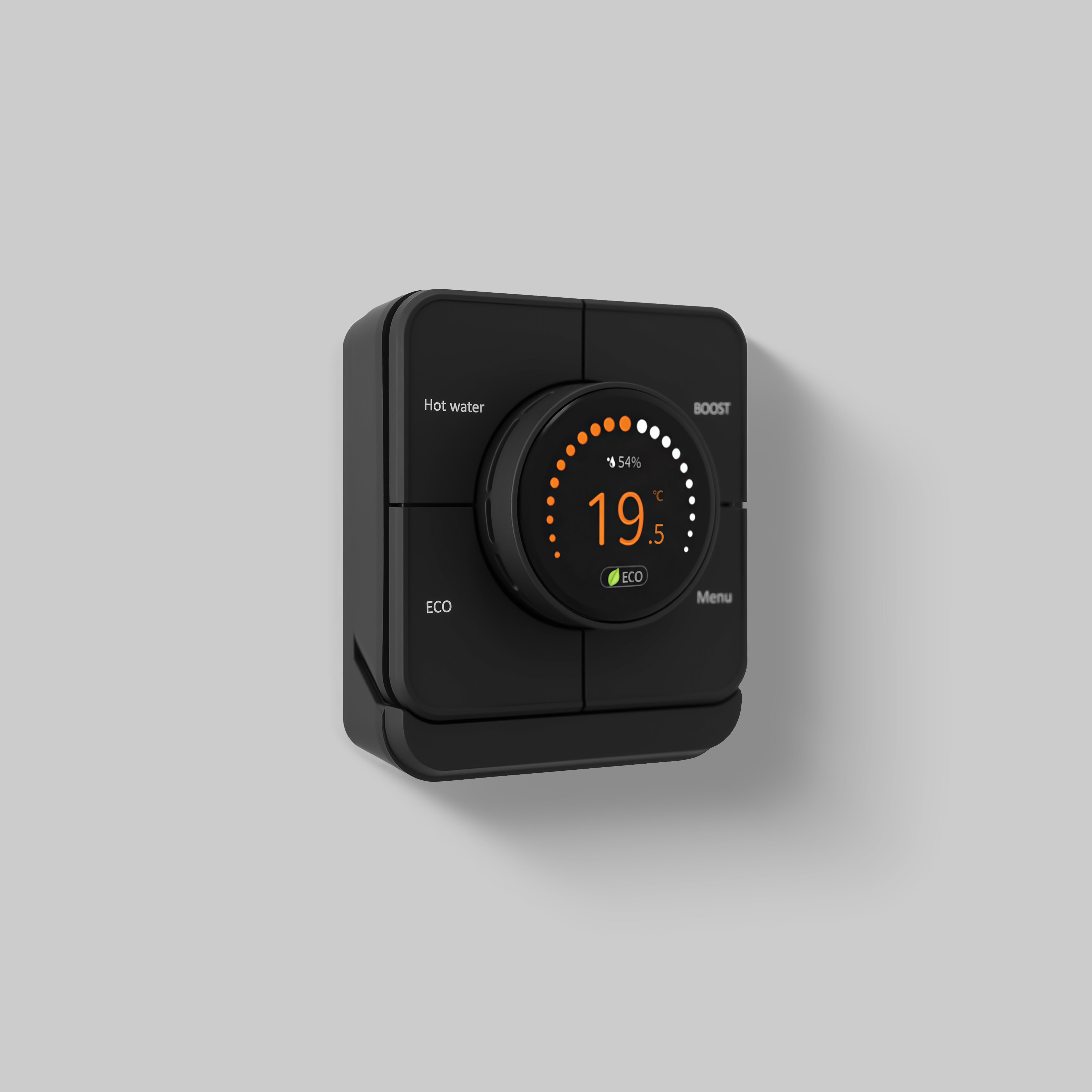
Check: Smart thermostat
Trailing edge dimmers cut power at cycle ends for smooth, buzz-free LED control—Repenic's programmable versions excel in UK renovations with no-neutral installs and MK/BG grid compatibility.
Trailing edge dimming (default on Repenic RD-250/RD-400) suits modern UK LEDs by minimising flicker and noise, unlike leading edge for old halogens. They handle low-wattage displays precisely, with soft start protecting bulbs. Repenic models support both edges, programmable per circuit, fitting grids like MK, BG, DETA. No neutral simplifies retrofits in 25mm boxes; metal faceplates ground easily. For renovations, multi-gang options in brass/steel/white ensure style and function—auto-return to prior brightness post-outage. Ideal for bedroom status lights, they outperform hacks with 0-100% range.
Repenic Expert Views
"At Repenic, we engineer dimmers for real UK homes, where low-level LED displays disrupt sleep during upgrades. Our BOOST mode and 1-50% programmable min brightness tackle flicker on status lights, while trailing/leading edge tech ensures silent operation. No-neutral Zigbee models like RD-250ZG enable multi-way control without rewiring, fitting 25mm boxes across MK to Wandsworth grids. Paired with 6-layer safety and V0 rating, they deliver 5-year reliability—empowering renovators with confidence." – Repenic Engineering Team
Which Repenic Zigbee Dimmer Offers Multi-Way Control Without Neutral?
Repenic's RD-250ZG Zigbee 3.0 smart dimmer offers multi-way control (1 smart + 2 multiway) without neutral, with energy monitoring, moonlight mode, and Homey/Hubitat enhancements for UK smart homes.
The RD-250ZG stands out for UK renovators, handling 5-250W LEDs (R,C) sans neutral—perfect for older wiring. Zigbee 3.0 pairs with any gateway, adding OTA upgrades, dim speed, and child lock. Multi-way via RD-MP (up to 5 units, 50m light distance) controls displays from multiple spots. Features like moonlight mode dim to sleep levels, BOOST for lows. Available in 1-4 gang black steel, white, brass—solid materials, 25mm fit. Compatible with Google Home via hubs, it tracks energy for wellness-focused homes.
| Feature | RD-250ZG Details |
|---|---|
| Load | LED 5-250W (R,C) |
| Multi-Way | Max 1 smart + 2 multiway |
| No Neutral | Yes |
| Grid Fit | MK, BG, DETA, etc. |
| Special Modes | BOOST, Moonlight, Sunrise |
Can Programmable Min Brightness Eliminate Flicker on LED Displays?
Yes, Repenic's programmable min brightness (1-50%) eliminates flicker on LED displays by fine-tuning lows, with auto-max adjust and BOOST ensuring stable glow for sleep-friendly UK setups.
Programmable min brightness on Repenic dimmers (RD-250, RD-400, RD-MP, RD-250ZG) sets precise floors, banishing flicker from dim status lights. Auto-adjusts max to match loads, preventing overload buzz. For displays, dial to 5-10% for subtle night visibility. UK-safe with electrician install, they exceed standards—V0 fire-rated, grounded metals. Renovators love multi-gang de-rating for hallways. Outshines hacks with reliability.
Conclusion
From parchment diffusers to Repenic's Zigbee dimmers, tame bright LED displays for better sleep in your UK home. Hacks provide quick wins, but pro installs ensure safety and precision—visit Repenic.com for brass, steel, or white options tailored to renovations.
FAQs
Can I dim router LEDs safely in the UK? Yes, use diffusers or Repenic dimmers with BOOST mode; avoid wiring hacks per Part P rules.
Do Repenic dimmers need a neutral wire? No, models like RD-250ZG install without neutral in standard 25mm UK boxes.
Are Repenic dimmers compatible with my grid? Yes, with MK, BG, DETA, Hager, Hamilton, Crabtree, Schneider, Wandsworth.
How low can Repenic dim LEDs? Programmable 1-50% min brightness, with BOOST for low-level stability.
Must dimmers be installed by electricians? Yes, per UK regulations for safety and warranty.