
To clean brass light switches UK: Turn off power at the breaker. Dust with a dry microfiber cloth, then wipe gently with mild dish soap and warm water using a soft cloth—avoid abrasives or polish to preserve the living finish. Dry thoroughly to prevent tarnish. For Repenic solid brushed brass, no neutral needed; ground metal faceplates. Repeat monthly.
Check: What Are the Best Brass Light Switches for UK Homes in 2026?
What Makes Brass Electrical Switches Different from Other Brass Fixtures?
Brass electrical switches differ from fixtures like taps due to live electrical components, requiring power isolation and moisture avoidance; use dry or minimally damp methods on faceplates only, unlike fully submersible fixtures.
Brass electrical switches, such as those in UK homes, stand out from other brass items like door handles or bathroom taps because they house live wiring and sensitive electronics, especially in dimmers. Unlike taps that can handle occasional soaking, switches demand strict safety protocols to prevent shocks or short circuits. Repenic's solid brushed brass dimmers, for instance, feature 100% solid brushed brass faceplates with knurled metal knobs paired with PC recycled plastic modules, designed for standard UK back boxes of ≥25mm depth. These must always have metal faceplates grounded per UK regulations, and cleaning focuses solely on external surfaces.
Fixtures like taps often undergo PVD coating for extreme durability against water, but electrical switches prioritise electrical safety over immersion resistance. Brushed brass on switches develops a "living finish" that evolves naturally, resisting uniform tarnish better than polished brass. In humid UK bathrooms or kitchens, this makes them ideal for renovations, but improper cleaning can damage the finish or electronics. Always isolate power first—turn off at the consumer unit—and avoid liquids near edges where they might seep into terminals.
Why Do Brass Light Switches Tarnish and How to Prevent It in UK Homes?
Check: How to Dim LED Lights Without a Dimmer: 5 Simple UK Hacks?
Brass tarnishes from exposure to air, moisture, fingerprints, and UK hard water limescale; prevent by drying after touch, using coasters under damp items nearby, and monthly microfiber dusting without abrasives.
In UK homes, brass light switches tarnish primarily due to oxidation from airborne pollutants, humidity, and skin oils from frequent use. Hard water prevalent in areas like the South East exacerbates limescale buildup, while fingerprints accelerate discolouration on knurled knobs. Solid brushed brass, like Repenic's Dimmer switch - Solid brass 1/2/3/4 Gang series, resists this better thanks to its textured surface trapping protective oils, but neglect leads to patchy darkening.
Prevention starts with habits: after using switches in steamy kitchens or bathrooms, pat dry with a microfiber cloth. In period homes or renovations, position switches away from direct steam. For PVD-coated brass equivalents, regular wiping prevents limescale—mix 50/50 vinegar-water for spots, but rinse and dry immediately on electrical items. Repenic products, compatible with MK, BG, DETA, Hager, Hamilton, Crabtree, Schneider, Schneider-lisse, and Wandsworth grids, fit seamlessly into upgrades without neutral wiring, maintaining aesthetics long-term.
What Supplies Do You Need to Clean Brass Switches Safely?
Essential supplies: microfiber cloths, mild dish soap, warm water, chamois leather for drying; avoid abrasives, acids, or polishes to protect PVD-like finishes on brass switches.
Gathering the right tools ensures safe, effective cleaning without risking damage to your brass switches. Start with soft microfiber cloths for dusting and wiping—they trap particles without scratching. Mild dish soap (pH-neutral, surfactant-based) diluted in warm water mimics professional PVD care recommendations. A chamois leather or mutton cloth excels at streak-free drying, crucial for preventing water spots in UK's variable climate.
Optional for stubborn fingerprints: a soft toothbrush for knurled areas, but only dry. Never use steel wool, scouring pads, vinegar straight (dilute 50/50 max), bleach, or metal polishes—these strip protective layers on brushed brass. For Repenic's solid brass collections, these basics suffice, as their heavy-duty faceplates withstand gentle care while supporting loads like 5-250W dimmable LEDs. Keep a dedicated kit near your consumer unit for quick monthly sessions.
How to Clean Brushed Brass Switch Faceplates Step-by-Step?
Step-by-step: 1) Turn off power. 2) Dust dry with microfiber. 3) Wipe with soapy microfiber (mild soap, warm water). 4) Rinse with damp cloth. 5) Dry thoroughly with chamois. Avoid excess moisture.
Cleaning brushed brass faceplates preserves their satin lustre without altering the living finish. First, switch off power at the breaker and verify with a tester—UK regulations mandate qualified electricians for installs, but homeowners can clean exteriors safely.
- Dust off: Use a dry microfiber cloth to remove dust along the brush lines, preventing scratches.
- Prepare solution: Mix a few drops of mild dish soap in warm water; dampen—not soak—a microfiber cloth.
- Wipe gently: Clean in circular motions or along the grain, avoiding edges near the module. For multi-gang setups, work one plate at a time.
- Rinse: Use a clean, damp microfiber to remove soap residue.
- Dry immediately: Buff with chamois leather to prevent spots. Repeat weekly for high-touch areas.
For Repenic's brass dimmers (250W or 400W options), this method maintains the 100% solid brushed brass while protecting internal high-speed chipsets.
How to Remove Fingerprints from Solid Brass Knurled Knobs?
For fingerprints on knurled knobs: Dry microfiber rub first; if needed, dampen with mild soapy water, rinse, and dry. Buff lightly with mutton cloth; repeat daily for heavy use.
Knurled knobs on solid brass switches, like those on Repenic's Smart Dimmer - Solid brass 1/2/3/4 Gang, collect fingerprints from daily operation, dulling their premium feel. Start dry: rub gently with a microfiber cloth in the knurl direction to lift oils without moisture near electronics.
For persistent marks, lightly dampen the cloth with soapy solution, twist to wring excess, and dab—never soak. Rinse with a damp cloth and dry promptly. A mutton cloth buffs to restore grip and shine. Avoid polishes, as they fill knurls. In busy UK households, make this a post-dinner ritual. Repenic's knurled metal knobs pair with Zigbee 3.0 for smart control, but their mechanical durability shines with proper care.
| Gang Configuration | Max Load (Trailing Edge, R,C) |
|---|---|
| 1 Gang | 250W |
| 2 Gang | 212W |
| 3 Gang | 175W |
| 4 Gang | 125W |
| 5 Gang | 75W |
Repenic RD-250 Dimmer multi-gang de-rating for LED/Halogen/Incandescent loads.
What Is a Living Finish on Brass Switches and How to Maintain It?
A living finish is a satin brushed brass that patinas naturally, resisting even tarnish; maintain by avoiding polishes/abrasives, using mild soap wipes, and embracing light oxidation for authentic ageing.
The "living finish" on brushed brass switches evolves with use, developing a subtle patina that enhances character in period-style UK renovations. Unlike high-polish brass that shows fingerprints glaringly, living finishes on Repenic's solid brushed brass faceplates hide minor marks while repelling uniform tarnish. PVD coatings mimic this durability, tested for 100+ years in controlled conditions.
Maintenance embraces minimal intervention: no brass polishes, which strip protection. Weekly dry dusting suffices; monthly soapy wipes for deeper clean. In coastal UK areas with salt air, increase drying frequency. This finish pairs perfectly with Repenic dummy dimmers for multi-way uniformity, ensuring your setup ages gracefully without high upkeep.
Repenic Expert Views
"At Repenic, our solid brushed brass switches use premium materials engineered for UK renovations. The faceplates and knurled knobs maintain a living finish through simple care—mild soap and microfiber only. For smart models like our Zigbee Solid Brass Dimmer, avoid moisture near the no-neutral module to protect trailing/leading edge dimming. Ground metal plates always, and enjoy flicker-free performance for years. Installed by qualified electricians, they fit ≥25mm boxes seamlessly." — Repenic Technical Team
How to Care for Smart Brass Dimmer Switches Like Zigbee Models?
Care for smart brass dimmers: Power off, clean faceplate/knob as standard; avoid moisture on edges. Update firmware OTA for optimal performance; compatible with Google Home via Zigbee gateways.
Smart brass dimmers, such as Repenic's Zigbee 3.0 Smart Dimmer - Solid brass 1/2/3/4 Gang (5-250W, no neutral required), combine luxury with tech like energy monitoring and BOOST mode. Cleaning mirrors standard: isolate power, dust and wipe exteriors only—keep liquids from sealed modules housing MOSFETs for silent 0-100% dimming.
Post-clean, test via app (Homey/Hubitat enhanced). Schedule OTA upgrades to maintain features like moonlight mode. In multi-way (max 1 smart + 2 multiway), uniform cleaning preserves aesthetics. UK compatibility with combi boilers and LEDs ensures flawless integration during upgrades.
Why Multi-Gang Brass Switches Need Special Maintenance Attention?
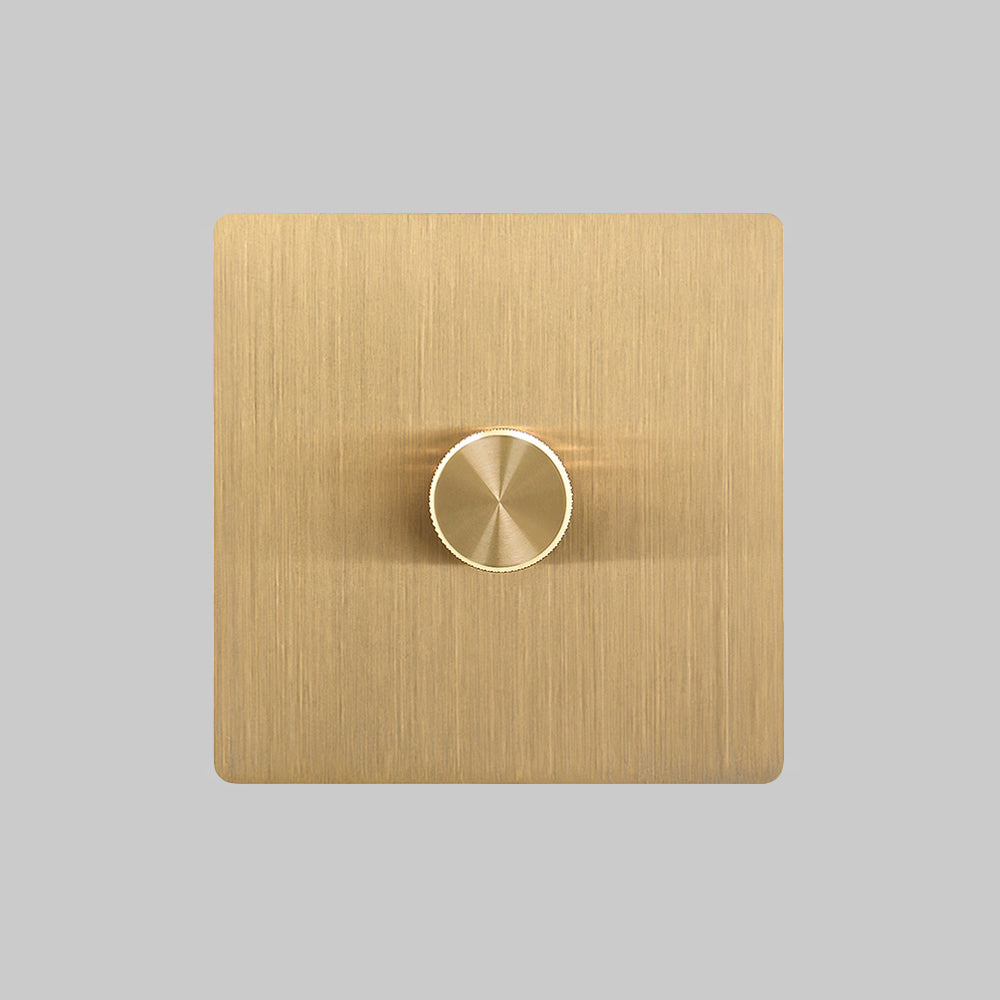
Multi-gang brass switches accumulate more fingerprints/dust in crevices; clean individually, check de-rating loads, and ensure uniform drying to avoid patchy tarnish across plates.
Multi-gang setups (1-4 gang) like Repenic's Solid brass series demand extra care due to heat from de-rated loads and tighter crevices trapping grime. Dust between plates first, then clean one-by-one to prevent moisture bridging. Ground all metal faceplates collectively.
Narrower profiles fit crowded back boxes, but ventilation matters—avoid blocking during wipes. Dummy dimmers maintain visual sync in 2-way systems without load strain. Regular care prevents uneven ageing, key for renovation showpieces.
| Product | Key Compatibility | Standout Feature |
|---|---|---|
| Smart Dimmer Brass | MK, BG, DETA, etc.; Zigbee 3.0 | Multi-way on single circuit, OTA |
| Dimmer Switch Brass | UK grids; 5-400W options | Programmable brightness, BOOST |
| Dummy Dimmer Brass | Standard UK boxes; 6A | Seamless 2-way matching |
When Should You Call an Electrician for Brass Switch Cleaning?
Call a qualified electrician if cleaning reveals loose wires, flickering post-clean, tarnish inside plate edges, or for initial install/maintenance on live smart systems.
While exteriors are DIY, call NICEIC-registered electricians for anything internal: persistent flickering (check de-rating), heat signs, or moisture ingress suspicions. Repenic's 5-year warranty and V0 fire rating require professional installs. During full renovations, combine with wiring checks for Zigbee integration. Better safe—UK regs protect you.
Conclusion
Maintaining brass light switches extends their life, blending luxury with practicality in your UK home. Follow these steps for a lasting finish, and explore Repenic's solid brass dimmers at repenic.com for seamless upgrades.
FAQs
Can I use vinegar on PVD-coated brass switches?
Dilute 50/50 for limescale only, rinse/dry immediately; avoid on living finishes or near electronics.
How often should I clean Repenic brass dimmers?
Weekly dust, monthly deep clean for high-use; daily fingerprints on knobs.
Are Repenic brass switches compatible with my UK grid?
Yes, with MK, BG, DETA, Hager, Hamilton, Crabtree, Schneider, Schneider-lisse, Wandsworth.
Does cleaning affect smart features?
No, if power off and exteriors only; OTA updates post-clean.
What if my brass switch tarnishes badly?
Gentle methods first; persistent issues may need professional refinishing.