
Common LED dimmer failures include flickering, buzzing, full-brightness lock, and incompatibility—often fixed by verifying dimmable LEDs, using trailing-edge dimmers like Repenic RD-250 (5-250W LED), enabling BOOST mode for low levels, and ensuring total load meets specs (e.g., ≥15W multiway). Check wiring, replace bulbs, and upgrade to no-neutral Zigbee models for UK grids.
Check: How Can You Dim LED Lights Without a Dedicated Dimmer Switch?
What Causes LED Dimmer Flickering and How to Stop It?
LED dimmer flickering is typically caused by incompatible dimmers, non-dimmable bulbs, or low load issues, and can be stopped by switching to trailing-edge dimmers with programmable brightness like Repenic models and enabling BOOST mode for stable low-level light.
If your LED lights are flickering like a faulty disco ball, you're not alone—this is one of the most common complaints from UK homeowners upgrading to energy-efficient lighting. Traditional dimmers, designed for incandescent bulbs, chop the power supply in ways that confuse modern LED drivers. Leading-edge dimmers, in particular, create voltage spikes that make LEDs flicker rapidly.
The fix starts with confirming your bulbs are dimmable—look for the dimmer symbol on the packaging. Next, assess your dimmer type. Repenic's RD-250 and RD-400 dimmers support both trailing-edge (default, ideal for LEDs) and leading-edge modes, with auto-adjust max brightness to eliminate flicker. Their BOOST mode, enabled via programming, boosts low-level illumination for LEDs that struggle to light up dimly.
For a quick DIY test: Turn off power at the breaker, remove the faceplate, and check if your dimmer has a neutral wire connection (many older UK setups don't). Repenic dimmers fit standard 25mm back boxes without needing neutral, making swaps straightforward. If flickering persists in multi-gang setups, note de-rating: for RD-250 (R,C), 1-gang is 250W, dropping to 75W at 5-gang.
Why Won't My LED Lights Dim Below Full Brightness?
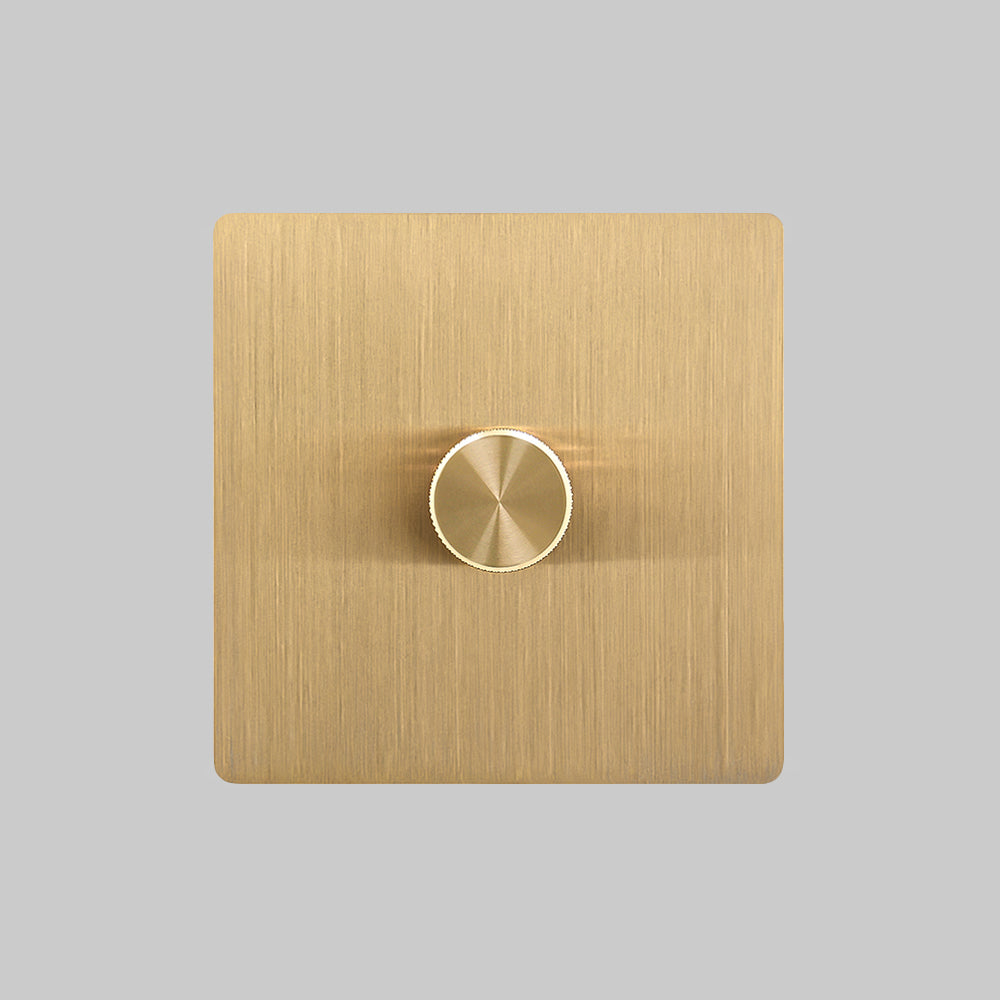
LEDs stuck at full brightness often result from minimum load mismatches or incompatible drivers; fix by using dimmers with programmable minimum brightness (1-50%) like Repenic RD-250, enabling BOOST mode, or adding load to meet the ≥15W circuit minimum.
That frustrating "all or nothing" dimming—where lights snap to full blast but won't go lower—is usually the dimmer's minimum brightness threshold clashing with your LED's low power draw. Incandescent bulbs guzzled 60W each; LEDs sip 5-10W, falling below many dimmers' operational range.
Repenic addresses this head-on with programmable minimum brightness from 1% to 50% on models like RD-250, RD-400, and Zigbee RD-250ZG. BOOST mode (default off) provides an extra kick for reluctant LEDs. Users report success pairing these with dimmable LEDs up to 250W (R,C) or 400W on RD-400.
DIY step: Power off, swap one bulb for a higher-wattage dimmable equivalent temporarily. If it dims fully, your total load is too low—aim for at least 15W per circuit, especially with multiway setups like RD-MP (up to 5 units). For smart control, Repenic's Zigbee dimmers offer moonlight mode via apps like Homey, bypassing wall switches entirely for app-based dimming.
Is My Dimmer Incompatible with Dimmable LEDs?
Dimmer incompatibility with dimmable LEDs stems from outdated leading-edge tech; confirm compatibility by checking for trailing-edge support and LED ratings—Repenic RD-250/RD-400 handle 5-250/400W LEDs (R,C) with grid compatibility for MK, BG, and more.
Even "dimmable" LEDs can fail with the wrong dimmer. Older leading-edge units work by cutting the front of the AC waveform, causing LED drivers to misfire. Trailing-edge dimmers chop the back, delivering smoother power for electronics like LEDs.
Repenic dimmers shine here: RD-250 and RD-400 are programmable for trailing (default) or leading edge, compatible with dimmable LEDs, halogen (5-250/400W), and incandescent. They fit UK grids including MK, BG, DETA, Hager, Hamilton, Crabtree, Schneider, Schneider-Lisse, and Wandsworth (9-grid kits). No neutral required simplifies installs in standard 25mm back boxes.
| Repenic Dimmer Model | LED Load (R,C) | Grid Compatibility |
|---|---|---|
| RD-250 | 5-250W | MK, BG, DETA, etc. |
| RD-400 | 5-400W | Same as above |
| RD-250ZG (Zigbee) | 5-250W | Same as above |
Pro tip: Avoid mixing bulb brands on one circuit—varying drivers amplify issues.
How Do I Fix Buzzing or Humming from LED Dimmers?
Buzzing or humming comes from electromagnetic interference in incompatible setups; silence it with high-speed chipset dimmers like Repenic's, featuring tuned MOSFETs for quiet 0-100% dimming and trailing-edge operation.
That annoying hum is the dimmer's components vibrating from mismatched loads. Leading-edge dimmers exacerbate this with LEDs' low current.
Repenic's solution: Dimmers use premium high-speed chipsets and MOSFETs for flicker- and buzz-free performance. Available in solid brass, black steel, or white steel (1-4 gang), they support trailing/leading edge with soft start to protect bulbs. Six layers of safety include surge protection and V0 fire-rated materials.
Quick fix: Ensure metal faceplates are grounded per UK regs. For multi-way, pair with Repenic dummy dimmers (brass/steel, 6A) as 2-way/intermediates—fits seamlessly without neutral.
What Is Trailing Edge vs Leading Edge Dimming for LEDs?
Trailing-edge dimming cuts the AC waveform's end for smooth LED control; leading-edge cuts the start, suiting incandescents but causing flicker. Repenic dimmers like RD-250 let you program either mode for optimal LED compatibility.
Understanding waveform chopping is key. Leading-edge (for resistive loads like halogens) fires early, risking LED instability. Trailing-edge waits, mimicking a clean sine wave tail—perfect for capacitive LED drivers.
Repenic empowers choice: All listed dimmers default to trailing-edge but program to leading (e.g., RD-250: 5-100W R,L). Zigbee RD-250ZG adds energy monitoring and OTA upgrades for future-proofing with Google Home-compatible hubs.
Why Does My Multiway Dimmer Setup Fail with LEDs?
Multiway failures with LEDs arise from mismatched wiring or incompatible companions; resolve with Repenic RD-MP (up to 5 units, ≥15W total) or Zigbee RD-250ZG + max 2 multiway/dummies on-circuit, max 50m to lights.
2-way or 3-way circuits complicate dimming—standard switches interrupt LED drivers unpredictably.
Repenic's RD-MP multiway dimmer supports LED 5-250W (R,C), programmable min brightness, auto-adjust. RD-250ZG allows 1 smart + 2 multiway (RD-MP or dummies). Dummy dimmers (brass/steel 1-4 gang) provide visual uniformity with rotary knobs, acting as intermediates without smart protocols.
Key limit: RD-MP only with RD-MP or RD-250ZG. Wire distances: 50m dimmer-to-light, 100m dimmer-to-dimmer.
| Setup | Max Units | Load Min | Wire Distance |
|---|---|---|---|
| RD-MP Circuit | 5 | ≥15W total | 50m to light |
| RD-250ZG + Multiway | 1+2 | N/A | 100m dim-to-dim |
Can Low Wattage LEDs Trigger Dimmer Problems?
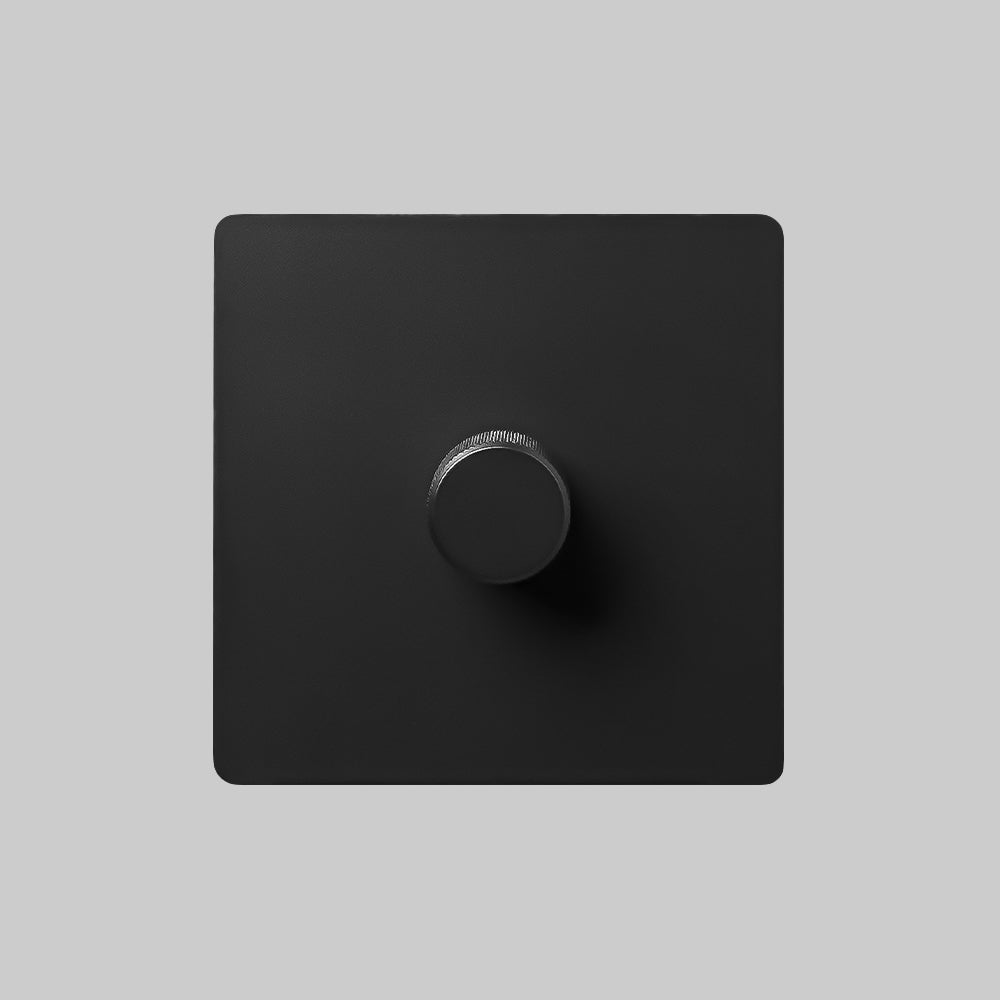
Yes, low-wattage LEDs below dimmer minimums cause cutouts or flicker; counter with Repenic's 5W minimum loads, BOOST mode, or multi-bulb circuits to hit ≥15W thresholds.
Modern LEDs' efficiency means one bulb might be 4W—too low for many dimmers needing 10-20W startup.
Repenic starts at 5W LED (R,C), with features like auto-return to previous brightness on power-on. For circuits under load, add bulbs or use BOOST.
Repenic Expert Views
"UK homes often have legacy wiring without neutrals, making LED dimming tricky. Our RD-250ZG Zigbee dimmers revolutionise this—no neutral needed, multi-way control on one circuit, and Zigbee 3.0 for seamless Google Home integration. Features like programmable min/max brightness, energy monitoring, and BOOST mode solve 95% of flicker issues without rewiring. Paired with solid brass or steel finishes, they blend performance and style for renovations." – Repenic Technical Lead
How to Troubleshoot Dimmer Overload or Wiring Issues?
Overload trips from exceeding wattage (check de-rating); wiring faults from loose terminals. Test loads against specs like RD-250 (250W 1-gang, 75W 5-gang), tighten connections (1x4mm² terminals), and ground metal plates.
Symptoms: Dimmer heats up, lights cut out. Always power off first.
Repenic specs ensure safety: 230VAC 50Hz input, V0 fire rating, 5-year warranty. Must be installed by qualified electrician per UK regs.
Which Repenic Dimmer Fixes LED Issues in UK Homes?
Repenic RD-250/RD-400 for manual trailing-edge control (5-400W LED), or Zigbee RD-250ZG (no neutral, multi-way, smart) in brass/steel/white—flicker-free with BOOST, fitting 25mm boxes and UK grids.
Skip traditional switches: Repenic's smart Zigbee dimmers (1-4 gang) offer app control, avoiding physical dimmer pitfalls. Compatible with Homey/Hubitat for Google Home-like setups.
Conclusion
LED dimmer woes boil down to compatibility—upgrade to Repenic's trailing-edge, no-neutral dimmers for reliable, stylish control in your UK home. Enjoy flicker-free lighting without the pro fees. Explore brass, steel, or white options at repenic.com for tailored fits.
FAQs
Do Repenic dimmers work without a neutral wire? Yes, models like RD-250ZG and manual series fit standard UK 25mm back boxes without neutral.
Can I use Repenic for multi-way LED setups? Absolutely—RD-MP up to 5 units, or 1 Zigbee + 2 multiway/dummies, total ≥15W.
Are Repenic dimmers safe for LEDs? Yes, with 6-layer protection, V0 rating, and BOOST for low loads.
What grids do Repenic dimmers fit? MK, BG, DETA, Hager, Hamilton, Crabtree, Schneider, Wandsworth.
Is installation DIY? Products must be installed by a qualified electrician per UK regulations.