
Create warm ambient lighting by layering thin tracing or parchment paper over cool white LEDs, reducing blue light for a cosy 2700K glow. Cut to fit lampshades, secure with clips or tape, and pair with Repenic 250W trailing edge dimmers for flicker-free control—total cost under £10, ideal for UK renovations.
Check: How Can You Safely and Effectively Dim LED Lights with Paper?
What Is Colour Temperature and Why Use Paper Filters for Warm Lighting?
Colour temperature, measured in Kelvin (K), describes how warm or cool light appears. Cool white LEDs (5000K+) feel clinical; warm white (2700K) feels cosy and inviting. Paper filters shift perception by diffusing and filtering blue wavelengths, transforming harsh cool light into ambient warmth without replacing fixtures.
Colour temperature is one of the most overlooked yet powerful tools in interior design. Most modern LED installations in UK homes default to cool white (4000K–5000K), which suits kitchens and workspaces but creates an uninviting, sterile atmosphere in living rooms and bedrooms. The human eye perceives warmth not just from brightness, but from the balance of red and blue wavelengths in light. Cool white LEDs emit excessive blue, triggering alertness and suppressing melatonin production—the opposite of what you want during evening relaxation.
Paper filters solve this elegantly. By diffusing light through semi-opaque materials like parchment or tracing paper, you scatter shorter blue wavelengths while allowing longer red and amber wavelengths to dominate. The result is a perceived colour shift toward warm white (2700K–3000K), mimicking the cosy glow of traditional incandescent bulbs. Unlike replacing entire LED fixtures—a costly renovation task—paper filters cost pennies and install in minutes. They're non-permanent, reversible, and perfect for renters or those testing ambient lighting before committing to smart bulb upgrades.
For UK homeowners undertaking renovations, this approach bridges affordability with professional-grade control, especially when paired with dimmer switches that fine-tune both brightness and perceived warmth.
Which Materials Make the Best Budget Paper Filters for LEDs?
Parchment paper offers superior diffusion and heat resistance; tracing paper provides cost-effective clarity; coloured folders and orange gels (CTO filters) add warmth without layering. Test each for heat buildup, and avoid enclosed fixtures. Costs range from 50p to £3 per filter.
Choosing the right material is crucial for both aesthetic results and safety. Here's a comparison of budget-friendly options:
| Material | Diffusion Quality | Heat Resistance | Cost | Best Use |
|---|---|---|---|---|
| Parchment Paper | High (even scatter) | High (safe for most LEDs) | £0.50–£1.50 | Lampshades, LED panels, ambient diffusion |
| Tracing Paper | Medium (some transparency) | Medium (monitor heat) | £0.30–£1.00 | Pin spot lights, directional fixtures |
| Coloured Folders (DIY Gels) | Medium (colour-dependent) | Medium (test before use) | £0.50 per sheet | Quick-change filter effects, theatrical looks |
| Orange Photography Gels (CTO) | High (warm tone built-in) | High (professional-grade) | £2–£3 per sheet | Pin spot lights, accent lighting, professional setups |
Parchment paper is the gold standard for DIY ambient lighting. Its semi-opaque surface scatters light evenly without creating harsh shadows, and it withstands heat far better than standard printer paper. A single layer over a cool white LED reduces glare while maintaining brightness; double layers intensify the diffusion effect. Parchment is food-safe, widely available at supermarkets, and costs less than £1.50 per roll.
Tracing paper offers a lighter, more transparent alternative, ideal if you want softer diffusion without excessive dimming. It's thinner than parchment, so heat dissipation is easier, but it requires careful monitoring in enclosed fixtures. Cost is negligible—around 30p per sheet.
Coloured folders are an ingenious hack for budget-conscious DIYers. Standard orange, amber, or yellow plastic folders (available at any stationers for 50p) act as colour temperature filters when cut and layered over cool LEDs. The plastic is durable and heat-resistant, though you should test heat buildup before long-term use in enclosed spaces. Many UK DIY communities have popularised this approach for theatrical and accent lighting.
Orange photography gels (Colour Temperature Orange, or CTO, filters) are professional-grade alternatives used in film and photography. They're specifically engineered to shift cool light toward warm, offering superior colour accuracy. At £2–£3 per sheet, they're pricier than DIY options but deliver more predictable results and last longer. Suppliers like Rosco and Apollo stock these in the UK.
Safety note: Always test heat buildup with your specific LED fixture. Place your hand near the filter after 10 minutes; if it's uncomfortably warm, increase airflow or switch to thinner material. Avoid enclosed fixtures without ventilation.
How Do Paper Filters Transform Cool White LEDs into Warm Glow?
Paper filters work by scattering light and absorbing blue wavelengths. Parchment and orange gels preferentially transmit red and amber light (longer wavelengths), reducing the blue component that makes cool LEDs feel clinical. This spectral shift is perceived as warmth, even though actual LED brightness remains unchanged.
The science is straightforward but elegant. Cool white LEDs emit a broad spectrum with dominant peaks in the blue (450nm) and yellow-green (550nm) ranges. Our eyes perceive this as "cool" or "daylight-like." When you place a semi-opaque or coloured filter in front, several things happen simultaneously:
1. Diffusion scatters light rays, reducing the harsh directional quality and creating a softer, more ambient effect. This softness is psychologically associated with warmth, even before colour shift occurs.
2. Wavelength absorption removes blue light. Orange and amber materials absorb shorter wavelengths (blue and violet), allowing longer wavelengths (red, orange, amber) to pass through. The result is a warmer colour temperature—often shifting from 5000K+ (cool white) to 2700K–3000K (warm white).
3. Perceived brightness decreases slightly because some light is absorbed or scattered away. However, this isn't a true dimming—the LED's power consumption stays the same. Your eye simply perceives less intensity due to diffusion and colour shift. This is why pairing filters with Repenic dimmer switches is so effective: you can restore perceived brightness while maintaining the warm colour shift.
In practice, a single layer of parchment paper over a cool white LED reduces glare and softens the light noticeably. Adding an orange gel layer intensifies the warmth. The combination creates an incandescent-like glow that's ideal for living rooms, bedrooms, and dining areas—spaces where ambient warmth enhances comfort and mood.
What Are the Safest Ways to Attach Paper Filters to UK Light Fixtures?
Secure filters with chip clips, painter's tape, or transparent tape, ensuring no gaps and adequate airflow. For lampshades, slide filters between shade and bulb. For recessed lights, cut to fit the trim ring. Always test heat after 10 minutes, and never seal filters in airtight enclosures.
Installation method depends on your fixture type. Here are safe, tested approaches:
Lampshade fixtures: Cut parchment or tracing paper to size and slide it between the inside of the shade and the LED bulb or fixture. Secure with small chip clips or painter's tape at the top and bottom. This method allows air circulation and is easily reversible. For decorative effect, pleat the paper into origami shapes before inserting—this creates texture and softens light further.
LED panel lights and flush mounts: Measure the panel dimensions, cut parchment to fit, and secure with painter's tape around all edges. Leave a small gap at the top for heat to escape. Test the fixture after 10 minutes; if the tape is warm to touch, increase the gap or switch to single-layer parchment.
Pin spot and accent lights: These directional fixtures work beautifully with orange gels. Most pin spots have a filter slot or mounting ring; slide your cut gel or coloured folder into place. If your fixture lacks a slot, use painter's tape to secure the filter over the lens, ensuring no overlap onto the fixture body itself.
Recessed ceiling lights: For downlighters, cut parchment or gel to fit inside the trim ring (the visible bezel). Secure with small clips or carefully placed tape. Never cover ventilation holes in the fixture housing. If your recessed light has a trim ring that's difficult to access, consider using a self-adhesive frosted film instead—it adheres directly to the lens and is simple to remove.
Important safety guidelines: Always allow airflow around filters; never seal them in airtight enclosures. Test heat buildup by placing your hand near the filter after 10 minutes of operation. If you feel significant warmth, reduce the number of filter layers or increase ventilation. Avoid placing filters directly on LED bulbs—keep at least 5cm clearance. For high-wattage fixtures (above 100W), use professional-grade materials like CTO gels rather than DIY paper, and consider consulting a qualified electrician if you're uncertain about your specific setup.
Which Repenic Dimmers Pair Perfectly with Paper Filter Setups?
Repenic's 250W and 400W dimmers (available in brass, steel, and white finishes) support trailing and leading edge dimming, BOOST mode, and programmable brightness—ideal for fine-tuning paper filter warmth. All fit standard UK 25mm back boxes and work with dimmable LEDs without requiring a neutral wire.
Paper filters create warmth, but pairing them with a quality dimmer transforms your setup into a professional ambient lighting system. Here's why Repenic dimmers are the perfect match:
Trailing edge dimming (the default setting on Repenic models) is specifically engineered for LED compatibility. It reduces power smoothly without flickering, preserving the soft, warm quality that your paper filters create. Unlike older leading edge technology, trailing edge dimmers work seamlessly with modern dimmable LEDs, ensuring silent, flicker-free operation across the full 0–100% brightness range.
BOOST mode is a game-changer for filter setups. Because paper filters reduce perceived brightness, some LEDs may not illuminate at very low dimmer settings. BOOST mode automatically boosts voltage at low levels, ensuring your filtered LED lights up smoothly from the moment you adjust the dimmer—no dead zone, no flickering.
Programmable minimum and maximum brightness lets you lock in your preferred warmth level. Set the minimum to, say, 30% so your paper-filtered lights never go fully bright and harsh, and set the maximum to prevent flickering at the top end. This creates a consistent, predictable ambient experience every time you use the dimmer.
| Repenic Dimmer Model | Wattage (LED) | Finishes Available | Key Features | Best For |
|---|---|---|---|---|
| 250W 2-Way Dimmer (RD-250) | 5–250W (dimmable LED) | Black Steel, Brass, White Steel | Trailing/leading edge, BOOST, programmable min/max, soft start | Single-room ambient lighting, living rooms, bedrooms with paper filters |
| 400W 2-Way Dimmer (RD-400) | 5–400W (dimmable LED) | Black Steel, Brass, White Steel | Trailing/leading edge, BOOST, programmable min/max, soft start | Multi-fixture rooms, larger ambient zones, higher-wattage setups |
| Zigbee Smart Dimmer (RD-250ZG) | 5–250W (dimmable LED) | Brass, Steel, White | Zigbee 3.0, energy monitoring, OTA upgrades, scenes, no neutral required | Automated warm-light scenes, Google Home integration, multi-room control |
| Multiway Dimmer (RD-MP) | 5–250W (dimmable LED) | Standard finishes | Up to 5 units on same circuit, programmable brightness, soft start | Multi-location control (hallways, stairs), coordinated ambient zones |
All Repenic dimmers are designed for UK homes: they fit standard 25mm back boxes, require no neutral wire, and support both trailing and leading edge dimming modes. This flexibility means they work with virtually any dimmable LED fixture, whether it's a downlighter, pendant, or wall sconce with your paper filter attached.
For a simple, single-room setup, the 250W 2-Way Dimmer in your choice of finish (solid brass for period homes, black steel for modern interiors, white steel for minimalist designs) is ideal. If you're upgrading multiple rooms or have higher-wattage fixtures, the 400W option gives you headroom and consistent performance across larger ambient zones.
How Can Trailing Edge Dimming Enhance Paper Filter Effects?
Trailing edge dimming reduces power smoothly at the end of the AC cycle, producing silent, flicker-free operation with LEDs. This preserves the soft, diffused quality of your paper filters while allowing precise brightness control—the result is seamless warmth without buzzing or visible flickering.
To understand why trailing edge dimming matters, it helps to know how older dimmers work. Traditional leading edge dimmers (still common in many UK homes) chop power at the beginning of the AC cycle, creating audible buzzing and visible flicker with LEDs—especially noticeable when filters reduce perceived brightness. This flicker disrupts the ambient mood you've worked to create.
Trailing edge technology, by contrast, reduces power smoothly at the end of each AC cycle. This gentler approach produces zero audible noise and imperceptible flicker, even at very low brightness levels. When combined with paper filters—which already diffuse and soften light—the effect is pure, uninterrupted warmth. Your eye perceives a continuous, glowing ambient light rather than a flickering, harsh source.
Repenic's dimmers default to trailing edge mode, making them ideal for LED ambient lighting. The high-speed chipset and tuned MOSFETs inside ensure real-time stability across the full 0–100% dimming range. Even if you dim your paper-filtered LED to just 10% brightness, the light remains smooth and warm, never stuttering or pulsing.
For renters or those in older properties with existing leading edge dimmers, this is worth noting: upgrading to a trailing edge dimmer can dramatically improve the quality of your ambient lighting, even without changing fixtures or filters. The investment in a quality dimmer pays dividends in comfort and mood.
What Room-by-Room Ambient Lighting Ideas Work with Filters?
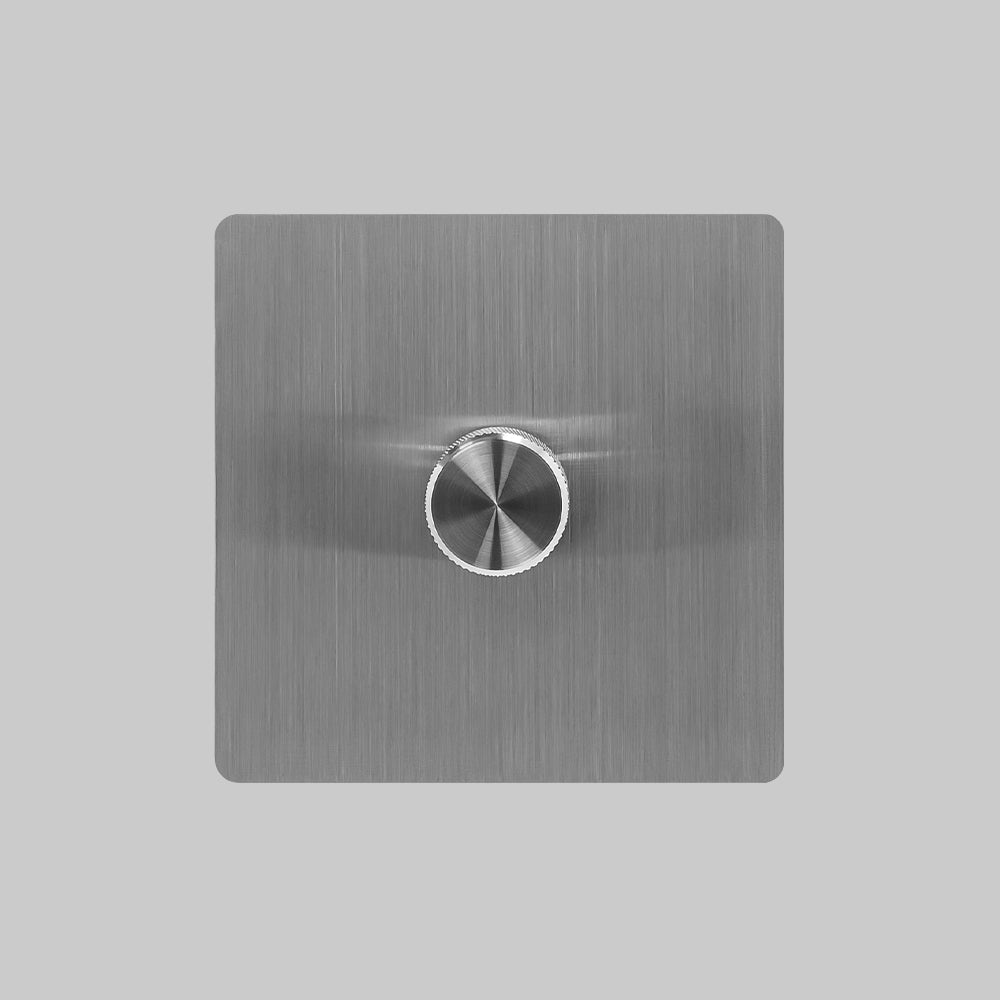
Living rooms benefit from layered parchment over downlighters, set to 40–60% via dimmer for cosy gatherings. Bedrooms thrive with single-layer filters on bedside pendants, dimmed to 20–30% for pre-sleep relaxation. Dining rooms pair orange gels with accent lights for warm table ambience. Hallways use multiway dimmers for convenient control.
Living Rooms: This is where ambient warmth transforms a space. Install parchment paper filters over your ceiling downlighters or wall sconces, then pair them with a Repenic 250W dimmer. Set the minimum brightness to 40% and maximum to 70%—this range keeps the light warm and inviting without ever feeling harsh. During the day, you can brighten as needed; in the evening, dial down to 50% for relaxation. The soft, diffused glow encourages conversation and creates a premium hotel-like atmosphere that impresses guests.
Bedrooms: Warm ambient lighting in bedrooms supports better sleep by suppressing blue light in the evening. Place parchment filters on bedside pendant lights or wall-mounted reading sconces. Pair with a dimmer set to a minimum of 15–20% brightness, allowing you to read comfortably at higher levels but dim to a gentle glow for pre-sleep wind-down. Many UK homeowners find that combining paper filters with a programmable dimmer encourages a consistent evening routine—dimming the lights signals the body to produce melatonin, improving sleep quality.
Dining Rooms: Orange gels or coloured folder filters work beautifully over accent lights or pendant fixtures above the dining table. The warm colour shift complements food and enhances appetite, while dimming to 60–70% creates an intimate dinner-party atmosphere. If you have wall sconces, layer parchment paper for ambient fill light, then use orange gels on overhead pendants for dramatic warmth. A multiway dimmer allows you to adjust the mood without leaving the table.
Hallways and Stairs: Hallways are often overlooked in ambient lighting design, yet they set the tone as you move through your home. Install parchment filters over recessed downlighters, then use a Repenic multiway dimmer system (with dummy switches at key locations) to control brightness from multiple points. Set the minimum to 30% for a welcoming, safe glow during night hours, and increase to 60% during the day. This creates a seamless transition between rooms and prevents the jarring sensation of moving from warm living spaces into a clinical, bright hallway.
Home Offices: While warm light is generally preferred for relaxation, offices require task lighting that's bright enough for focus. Use paper filters on ambient lights only—keep task lighting (desk lamps, overhead panels) unfiltered for clarity. Pair your ambient fixtures with a dimmer, allowing you to boost warmth during breaks and reduce it when concentration is needed. This layered approach supports productivity while preventing the fatigue that all-day cool white lighting causes.
Repenic Expert View: "At Repenic, we've observed that UK homeowners increasingly seek lighting control that balances affordability with flexibility. Paper filters are a brilliant entry point—they're low-cost, non-permanent, and immediately impactful. But the real transformation happens when you pair them with a quality dimmer. Our trailing edge dimmers eliminate flicker and buzzing, and features like BOOST mode ensure smooth operation even when filters reduce perceived brightness. What we love about this approach is that it's scalable: start with a single room and a basic 250W dimmer, then expand to multiway systems or Zigbee smart control as your confidence grows. Every UK home is different, so having that flexibility—without needing a neutral wire or major rewiring—is exactly what modern homeowners tell us they need."
Can Zigbee Smart Dimmers Automate Warm Paper Filter Scenes?
Check: Smart thermostat
Yes. Repenic's Zigbee Smart Dimmer (RD-250ZG) integrates with Google Home and other Zigbee platforms, allowing you to create automated scenes—e.g., "Evening Mode" dims paper-filtered lights to 30% at 7 PM daily. Energy monitoring tracks consumption, and OTA updates ensure future compatibility without replacing hardware.
For those ready to move beyond manual dimming, smart automation is a game-changer. Imagine your paper-filtered ambient lights automatically dimming to a warm 30% glow at sunset, then brightening slightly for dinner, then dimming again at bedtime—all without touching a switch.
Repenic's Zigbee Smart Dimmer (RD-250ZG) makes this possible. It's a Zigbee 3.0 device, meaning it integrates with any Zigbee 3.0 hub—including Google Home with a Zigbee bridge, or platforms like Homey and Hubitat. Once connected, you can create scenes (pre-programmed brightness and timing combinations) that align with your daily rhythm.
Example automation: Create a scene called "Cosy Evening" that sets all paper-filtered lights in your living room and bedroom to 40% brightness at 6:30 PM on weekdays. At 10 PM, trigger "Bedtime Mode," which dims bedroom lights to 15% and living room lights to 20%. On weekends, delay the evening scene by an hour. All of this runs automatically; you can override it with voice commands ("Alexa, set lights to 50%") or the physical dimmer knob.
The Zigbee Smart Dimmer also includes energy monitoring, so you can track how much power your ambient lighting consumes—useful for understanding the efficiency gains of LEDs versus older incandescent bulbs. Over-the-air (OTA) updates mean the dimmer improves over time without you needing to replace it.
Installation is straightforward: the Zigbee Smart Dimmer fits standard UK 25mm back boxes, requires no neutral wire, and supports both trailing and leading edge modes. Once installed and paired with your Zigbee hub, setup takes minutes via the hub's app.
For those not yet ready for full smart home integration, the manual Repenic dimmers offer excellent value and reliability. But if you're already using Google Home or another smart platform, adding a Zigbee dimmer elevates your paper filter setup into a fully automated ambient lighting system.
Conclusion
Creating warm ambient lighting with budget paper filters is one of the smartest, most affordable upgrades UK homeowners can make during renovations or room refreshes. By understanding colour temperature, choosing the right materials (parchment paper, orange gels, or coloured folders), and attaching filters safely, you can transform harsh cool white LEDs into cosy, incandescent-like warmth for under £10 per room.
The magic multiplies when you pair filters with a quality dimmer. Repenic's 250W and 400W dimmers—available in brass, steel, and white finishes—offer trailing edge technology, BOOST mode, and programmable brightness to ensure flicker-free, smooth control. For those ready for automation, the Zigbee Smart Dimmer integrates with Google Home and other platforms, letting you create scenes that align with your daily rhythm.
Whether you're upgrading a single bedroom or orchestrating ambient lighting across your entire home, paper filters and Repenic dimmers prove that professional-grade ambient lighting doesn't require expensive smart bulbs or full fixture replacements. Start simple, test your setup, and scale up as your confidence grows. Your home—and your sleep quality—will thank