
A dimmer switch works by phase-cutting the AC waveform—chopping the leading or trailing edge of each 50Hz cycle using a triac or MOSFET—to reduce effective voltage and current to the bulb, dimming brightness without full power-off. Repenic UK dimmers support programmable trailing/leading edge for flicker-free LED control in 25mm boxes, no neutral needed.
Check: Dimmer switch
What Is a Dimmer Switch and How Does It Differ from a Standard Switch?
A dimmer switch regulates light brightness by modulating power delivery to the bulb, unlike a standard on/off switch that simply completes or breaks the circuit. This allows variable intensity from 0-100% without turning lights fully off.
Unlike a basic toggle switch, which delivers full 230V AC power or none at all, a dimmer switch actively controls the amount of power reaching the light fixture. It uses electronic components to "chop" the incoming alternating current (AC) waveform, reducing the effective voltage and current averaged over time. This creates the illusion of dimming while keeping the circuit partially energised. In UK homes, where mains supply is 230VAC at 50Hz, this happens 100 times per second (twice per cycle), fast enough that the human eye perceives smooth brightness changes rather than flickering.
Standard switches are purely mechanical, ideal for fixed lighting like extractor fans or combi boiler controls. Dimmers, however, incorporate semiconductors like triacs or MOSFETs for precise control, making them essential for ambient lighting in kitchens, living rooms, or bedrooms during renovations. Repenic dimmers, such as the RD-250 and RD-400 models, exemplify this with programmable features tailored to UK wiring, ensuring compatibility with dimmable LEDs, halogens, and incandescents from 5W upwards.
How Does Phase Cutting Work in a Dimmer Switch?
Phase cutting in a dimmer switch delays the flow of current within each AC half-cycle, reducing the average power to the bulb by trimming portions of the 50Hz sine wave. This electronic chopping delivers variable voltage without wasteful resistance heating.
UK mains electricity alternates direction 50 times per second, forming a sine wave that peaks at around 325V. A dimmer intercepts this waveform using a trigger circuit—typically a capacitor charging through a variable resistor tied to the knob position. Once charged to a threshold, a diac fires, triggering a triac (or MOSFET in modern designs) to conduct for the remainder of the half-cycle.
For brighter settings, conduction starts early, supplying more power. For dimmer levels, it delays longer, chopping more of the wave. This resets at zero-crossing (twice per cycle), repeating seamlessly. Older resistive dimmers wasted energy as heat; phase-cut types are efficient, suiting LED retrofits. Repenic's high-speed chipsets in RD-250ZG Zigbee dimmers ensure silent operation with no buzzing, using tuned MOSFETs for real-time stability.
What Is Leading Edge vs Trailing Edge Dimming?
Leading edge dimming chops the start (leading) of each AC half-cycle, suiting inductive loads like transformers; trailing edge cuts the end (trailing), ideal for capacitive LED drivers to minimise flicker and noise. Repenic dimmers are programmable for both modes.
Leading edge (forward phase control) fires the triac early in the cycle, abruptly cutting power near zero-crossing. It's robust for halogens but can cause LED buzzing due to high inrush currents stressing drivers.
Trailing edge (reverse phase control) lets full voltage flow initially, then switches off before zero-crossing using MOSFETs. This softer approach reduces electromagnetic interference (EMI) and suits modern dimmable LEDs, preventing flicker—crucial for UK homes with GU10 or MR16 fittings.
| Dimming Type | How It Works | Best For | Repenic Support |
|---|---|---|---|
| Leading Edge | Chops front of waveform | Halogen, Incandescent (R,L loads up to 100W) | Programmable on RD-250/RD-250ZG |
| Trailing Edge | Chops end of waveform | LED (R,C loads up to 250W/400W) | Default/programmable on all models |
Repenic RD-250 and RD-400 2-way dimmers let users switch modes via programming, with auto-adjust for max brightness to eliminate flicker. This flexibility addresses common UK renovation pain points like mismatched bulbs in multi-gang setups.
Why Do Modern Dimmers Use MOSFETs and Triacs?
Modern dimmers use MOSFETs for precise, silent trailing-edge control and triacs for robust leading-edge chopping; both enable high-frequency switching of 230V AC, outperforming resistive rheostats by avoiding heat waste and supporting LEDs.
Triacs are bidirectional thyristors that latch on once triggered, ideal for simple phase-cut but prone to RF noise. MOSFETs offer finer control as voltage-driven switches, enabling clean zero-crossing detection and PWM-like precision at 50Hz. In Repenic products, tuned MOSFETs paired with high-speed chipsets deliver 0-100% dimming without humming, even at low levels.
These components fit slim profiles for 25mm UK back boxes, with V0 fire-rated plastics and surge protection exceeding UKCA standards. For trade pros, this means reliable performance in multi-gang plates (de-rated loads apply), grounding required for metal faceplates like Repenic's solid brass or steel.
How Do Dimmer Switches Work with LED Lights in UK Homes?
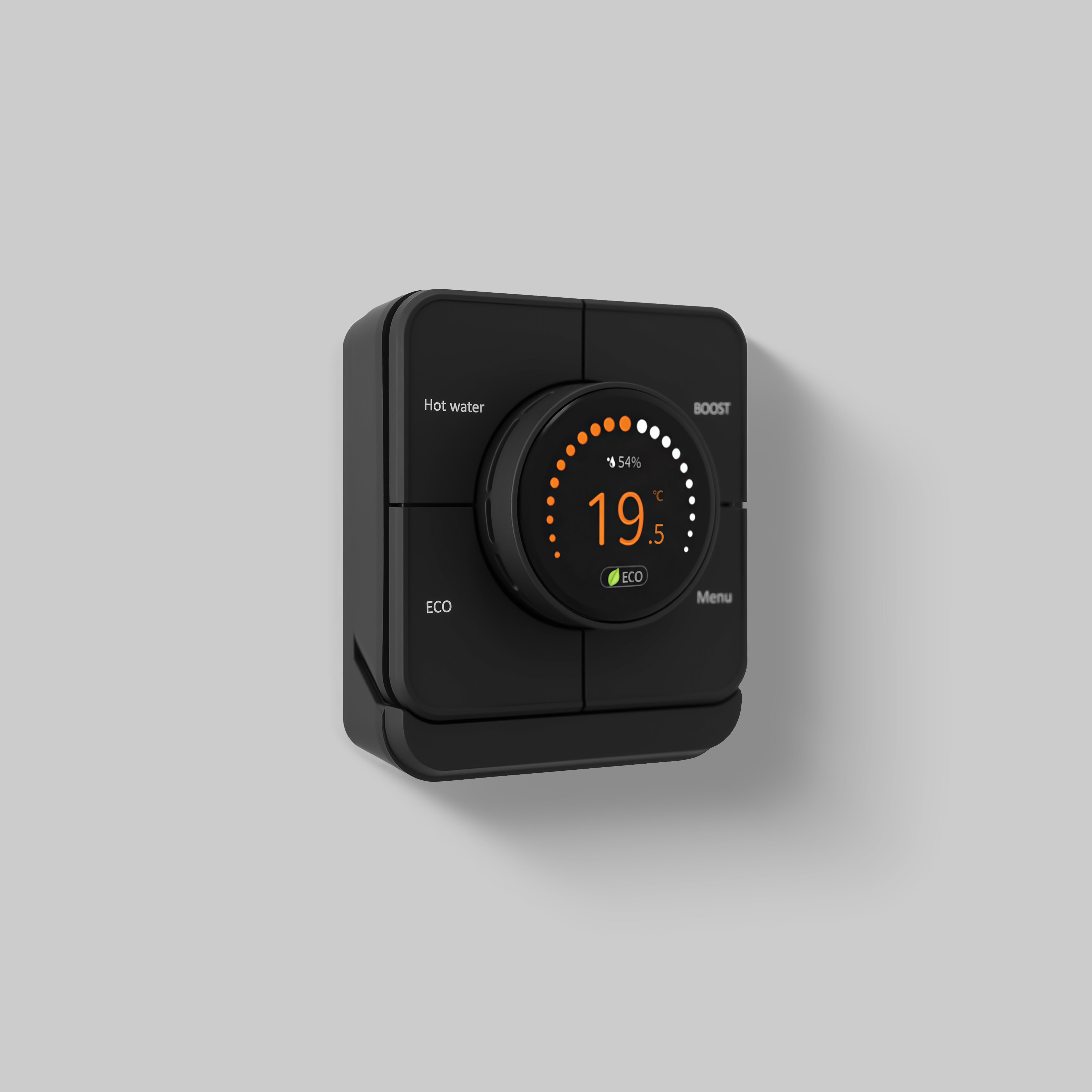
LED dimmers use phase-cut or PWM to supply compatible drivers with reduced average power; trailing-edge types prevent flickering by minimising ripple, essential for UK 230V systems where LEDs need 5-250W loads without neutral wires.
Traditional incandescents dimmed easily via voltage reduction, but LEDs have switch-mode power supplies (SMPS) requiring stable current. Phase-cut delivers chopped DC after rectification, so programmable min brightness (1-50%) and BOOST mode—standard on Repenic RD-250—kickstart reluctant bulbs.
In UK renovations, flickering hits 80% of retrofits; Repenic's auto-max adjustment and soft-start protect drivers, supporting R,C loads up to 400W on RD-400. Always match wattage: over 5W total circuit load for stability.
| Model | LED Load (Trailing Edge) | Multi-Gang De-Rating (R,C) |
|---|---|---|
| RD-250 | 5-250W | 1G=250W, 2G=212W, 3G=175W, 4G=125W, 5G=75W |
| RD-400 | 5-400W | 1G=400W, 2G=340W, 3G=280W, 4G=200W, 5G=120W |
| RD-250ZG | 5-250W | Supports multi-way with dummies |
Qualified electricians must install per UK regs, ensuring compatibility with MK, BG, or Hager grids.
What Is a No-Neutral Dimmer Switch and Why Is It Essential for UK Wiring?
A no-neutral dimmer leaks minimal current through the bulb to power its electronics, bypassing the need for a neutral return wire common in older UK walls. This retrofits seamlessly into 25mm boxes without rewiring.
Many UK homes lack neutrals at switches; no-neutral designs use high-impedance paths (1mA leakage) compliant with BS 7671. Repenic's full range—RD-250, RD-250ZG, brass/steel gangs—operates without neutral, fitting standard plates from Schneider to Wandsworth. Metal faceplates require earthing for safety.
Repenic Expert Views
"In UK renovations, no-neutral dimmers solve 90% of compatibility issues. Our RD-250ZG Zigbee models use advanced MOSFETs for zero flicker across 5-250W LEDs, with BOOST mode ensuring low-end glow. Multi-gang de-rating is optimised for real homes—e.g., 212W per gang in 2G setups—and Zigbee enables Google Home scenes without hubs. Always pair with our dummy dimmers for 2/3-way control; total circuit ≥15W prevents drop-out." – Repenic Technical Lead
How Does a Multiway Dimmer Switch Setup Function?
Check: how does a dimmer switch work
Multiway dimmers use slave 'dummy' units wired in parallel to a master dimmer, syncing brightness via low-voltage travellers; Repenic RD-MP supports up to 5 units (max 50m to lights, 100m dimmer-to-dimmer) on one circuit.
In 2-way setups, one RD-250 master controls via RD-MP dummies or RD-250ZG (1 smart + 2 multiway max). Intermediates use Repenic dummies only. No mixing with standard switches—ensures phase sync. Programmable min brightness and auto-return maintain consistency.
Why Choose Zigbee Smart Dimmers Like Repenic RD-250ZG?
Zigbee smart dimmers like Repenic RD-250ZG add wireless control, energy monitoring, and OTA updates via 3.0 protocol, working with Google Home/Homey without neutral or Wi-Fi dependency. Multi-way innovation allows multiple physical controls on one circuit.
RD-250ZG offers moonlight/sunrise modes, dim speed, child lock, and no-neutral Zigbee 3.0—no hub needed for basics, enhanced on Hubitat. 5-250W LED trailing/leading, BOOST for flicker-free. Premium brass/steel 1-4 gang fits UK aesthetics.
How to Fix Common Dimmer Switch Problems Like Flickering?
Flickering fixes: switch to trailing edge, enable BOOST/program min brightness (1-50%), ensure ≥5W load, check de-rating, or auto-adjust max. Install by qualified electrician; Repenic's 6-layer protection prevents surges.
Buzzing? Leading edge on LEDs—reprogram to trailing. Low-end cut-off? BOOST on. Overload? Respect de-rating. For Zigbee, OTA upgrade via app.
Conclusion
Understanding phase-cut dimming empowers UK homeowners to upgrade confidently. Repenic's no-neutral, programmable dimmers—RD-250, RD-400, RD-250ZG—deliver flicker-free LED control in real homes. Pair with dummies for multi-way, integrate Zigbee for smart scenes. Visit repenic.com for brass/steel options fitting your renovation. Always use a qualified electrician.
FAQs
Can Repenic dimmers work without a neutral? Yes, all models like RD-250 and RD-250ZG require no neutral, fitting standard UK 25mm boxes.
What's the difference between RD-250 and RD-400? RD-400 handles up to 400W LEDs (trailing), with higher multi-gang ratings; both programmable.
Do Repenic dimmers fix LED flickering? Yes, via trailing edge default, BOOST mode, and auto-brightness adjust.
Are they compatible with my MK grid? Fully, plus BG, DETA, Hager, and more.
Zigbee setup with Google Home? Yes, via any Zigbee 3.0 gateway; enhanced on Homey.