
Featured Snippet Brass dimmers elevate biophilic design in UK homes by warming earthy greens and plants with luxurious metallic glows, while smart features like programmable brightness (1–50%), BOOST mode, and Zigbee control mimic natural light cycles for wellness and growth. Repenic's 5–250W solid brass 1–4 gang options fit standard 25mm boxes, support dimmable LEDs, and integrate multi-way control without neutral wiring, combining aesthetic appeal with functional sustainability for nature-inspired renovations.
Check: What Are the Best Brass Light Switches for UK Homes in 2026?
What Is Biophilic Design and Why Does It Matter for UK Homes?
Biophilic design integrates natural elements—plants, wood, stone, and natural light—into interior spaces to reduce stress, boost mood, and improve air quality. For UK homeowners, biophilic design addresses urban isolation and supports wellness trends, making it ideal for renovations seeking serene, health-focused environments that blend luxury with sustainability.
Biophilic design is rooted in the human need for connection with nature. In 2026, UK homeowners increasingly recognise that indoor spaces filled with greenery, natural materials, and warm lighting create psychological benefits—from lower cortisol levels to enhanced creativity and better sleep. This trend aligns perfectly with the net-zero renovation movement, where eco-conscious materials and energy-efficient lighting become non-negotiable.
The appeal extends beyond wellness. Biophilic interiors command premium property valuations, particularly in urban areas where green space is scarce. For renovators aged 30–55 with mid-to-high income, investing in biophilic elements signals both environmental responsibility and refined taste. The challenge, however, lies in selecting functional hardware—like light switches and dimmers—that complements rather than clashes with botanical-heavy spaces.
This is where material choice becomes critical. Standard chrome or brushed steel switches, while practical, feel clinical against lush green walls and trailing plants. Brass, by contrast, introduces warmth and organic richness that echoes natural wood tones and earthy palettes, creating visual harmony between technology and nature.
How Does Brass Hardware Pair with Plants in Biophilic Interiors?
Brass pairs beautifully with plants through warm, analogous colour theory: its golden tones complement emerald and sage greens, creating visual harmony without clashing. Texturally, brass's metallic warmth balances soft furnishings and foliage, while supporting accent colours like white, dusty pink, and grey for cohesive, nature-inspired spaces.
The pairing of brass and greenery is grounded in colour science. Green and brass sit on complementary sides of the warm spectrum—green occupies the cool-natural realm, while brass brings warm, earthy energy. Together, they form what designers call an analogous colour combination, meaning they sit adjacent on the colour wheel and naturally enhance each other without visual tension.
Consider emerald green walls paired with brass-framed mirrors or brass plant stands: the metallic gleam amplifies the depth of the green, making both elements appear more luxurious. Similarly, sage green soft furnishings (cushions, throws) gain sophistication when paired with brass dimmer switches and light fixtures. The brass acts as a grounding element, preventing the space from feeling too botanical or overgrown.
Textural balance is equally important. Plants introduce soft, organic textures—velvet leaves, delicate stems, flowing vines. Brass, being a hard metal, provides visual contrast that prevents monotony. When brass faceplates and knobs are brushed or matte-finished (rather than polished), they echo the understated elegance of natural materials, creating a unified aesthetic. This textural interplay makes spaces feel both curated and welcoming.
Colour coordination extends beyond green. Biophilic spaces often incorporate supporting palettes: crisp whites (for clarity and airiness), soft dusty pinks (for warmth), and various greys (for sophistication). Brass complements all these tones, making it a versatile anchor for multi-layered biophilic schemes.
Why Choose Solid Brass Dimmers for Nature-Inspired Lighting?
Solid brass dimmers offer unmatched aesthetic appeal, durability, and functionality for biophilic spaces. Unlike plated alternatives, 100% solid brass develops a natural patina over time, adding character and authenticity. Functionally, dimmers enable precise light control to mimic natural daylight cycles, supporting plant health while creating mood and ambiance aligned with nature's rhythms.
Solid brass—not plated or veneered—is a material investment. Repenic's solid brass dimmer switches and smart dimmers feature 100% brushed brass faceplates and knurled knobs, ensuring longevity and a premium feel. Over years, solid brass develops a subtle patina that deepens its character, making it age gracefully alongside living plants and natural wood furnishings. This authenticity resonates with homeowners seeking timeless, sustainable design.
From a functional standpoint, dimmers are essential for biophilic lighting design. Plants require varying light intensities throughout the day and seasons. By dimming lights during evening hours, you mimic the natural sunset, signalling to both your body and your plants that it's time to rest. This circadian alignment supports better sleep, reduces energy consumption, and promotes photosynthesis efficiency in low-light botanical displays.
Dimmers also allow you to layer lighting—combining ambient, task, and accent lighting—without overwhelming a space with harsh glare. In a room filled with plants, softer, dimmable lighting prevents leaf burn and creates the soft, diffused glow that plants experience under tree canopies in nature.
| Brass Dimmer Feature | Biophilic Benefit | Repenic Implementation |
|---|---|---|
| Programmable Brightness (1–50% minimum) | Mimics natural dawn/dusk cycles for plant health and circadian rhythm | Adjustable via Zigbee app or manual control |
| BOOST Mode | Ensures adequate light for shade-tolerant plants without flickering | Activates automatically for dimmable LEDs that struggle at low levels |
| 0–100% Dimming Range | Allows full flexibility from task lighting to ambient wellness lighting | Silent, flicker-free operation via high-speed chipset |
| LED Compatibility (5–250W) | Energy-efficient, long-lasting, and ideal for sustainable renovations | Works with dimmable LEDs, halogens, and incandescent bulbs |
| Solid Brushed Brass Finish | Warm aesthetic that complements green palettes and natural materials | Develops natural patina, adding authenticity over time |
What Makes Repenic Brass Smart Dimmers Ideal for Leafy Renovations?
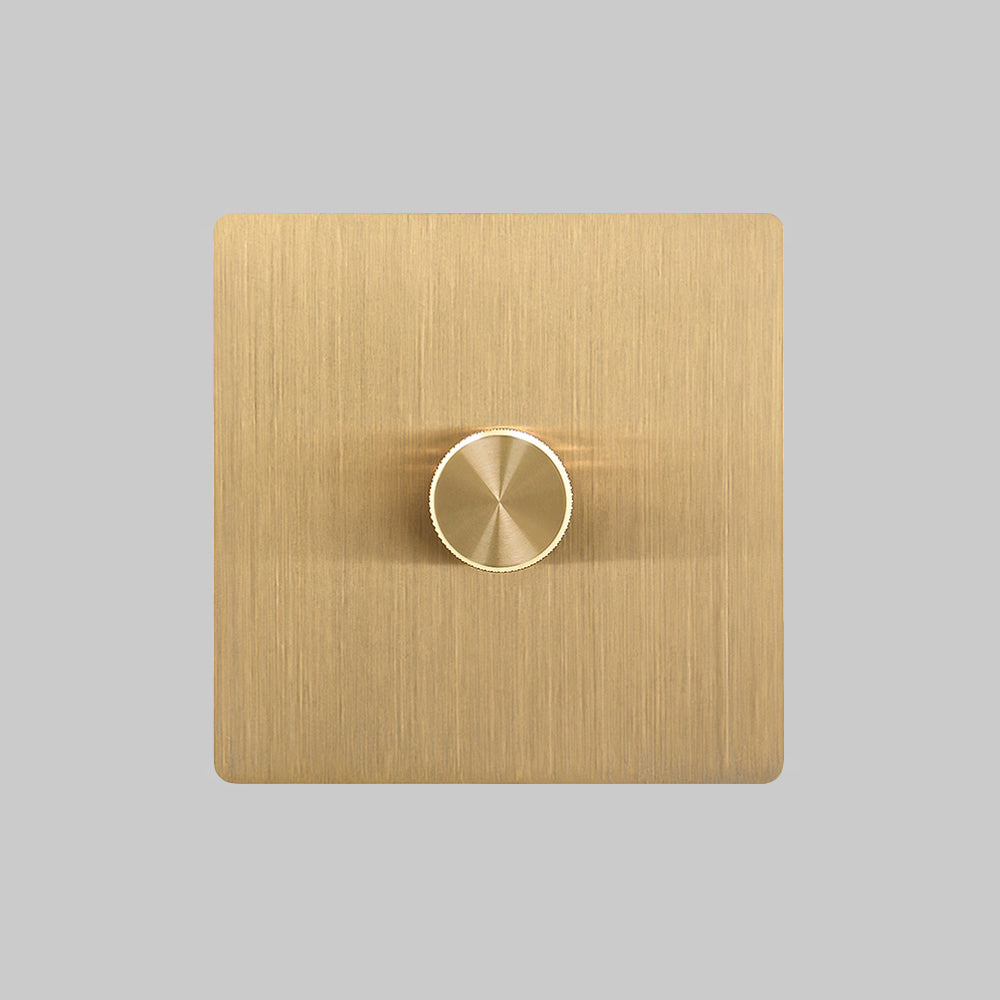
Repenic's solid brass smart dimmers combine premium 100% brushed brass construction with Zigbee 3.0 connectivity, enabling remote dimming control via Google Home and other smart platforms. They support multi-way setups without neutral wiring, fit standard UK 25mm back boxes, and offer energy monitoring—perfect for biophilic spaces where lighting adapts to plant needs and seasonal changes.
Repenic's solid brass smart dimmers (available in 1, 2, 3, and 4 gang configurations) are engineered specifically for UK homes. They feature 100% solid brushed brass faceplates with knurled metal knobs, delivering the aesthetic warmth biophilic spaces demand. Internally, they house a high-speed chipset and tuned MOSFETs that ensure flicker-free, silent operation—critical when plants are sensitive to light quality and your goal is creating a serene, natural ambiance.
The Zigbee 3.0 protocol enables seamless integration with Google Home and other smart ecosystems. This means you can automate lighting schedules to match seasonal daylight patterns, dim lights gradually at sunset to support melatonin production, or adjust brightness based on real-time energy monitoring. For renovators managing multiple rooms in a biophilic scheme, this flexibility is invaluable.
Crucially, Repenic brass smart dimmers require no neutral wire—a significant advantage in older UK homes where neutral wiring may be absent or difficult to run. They fit standard 25mm back boxes and are compatible with all major UK grid systems (MK, BG, DETA, Hager, Hamilton, Crabtree, Schneider, Schneider-lisse, and Wandsworth), simplifying installation for both DIY-minded homeowners and trade professionals.
The BOOST mode feature is particularly valuable for biophilic lighting. Some dimmable LEDs struggle to illuminate at very low brightness levels (below 10%), which can be frustrating when you want subtle, mood-setting light. BOOST mode automatically compensates, ensuring consistent illumination even at minimum brightness—perfect for accentuating plant features without harsh shadows.
Repenic Expert View: "Biophilic design is about creating spaces where technology disappears into the background, allowing nature to be the focal point. Repenic's solid brass smart dimmers achieve this by offering intuitive, invisible control. Homeowners can programme lighting to follow natural cycles—bright morning light for productivity, softer afternoon tones as the day winds down—without visible switches interrupting the visual flow of plants and greenery. The no-neutral requirement means even period properties can be retrofitted with premium brass dimmers, democratising biophilic luxury across all UK home types. Energy monitoring adds another layer: you can track consumption and optimise for sustainability, aligning with the eco-conscious values that drive biophilic design choices."
How Can Programmable Dimming Support Plant Growth Indoors?
Programmable dimming mimics natural light cycles essential for photosynthesis and plant circadian rhythms. By gradually increasing brightness in morning hours and dimming toward evening, you replicate outdoor conditions, supporting chlorophyll production and stress resilience. Repenic's 1–50% minimum brightness setting and BOOST mode ensure plants receive optimal light intensity without flickering or gaps that disrupt growth.
Indoor plants face a fundamental challenge: artificial light differs from natural sunlight in intensity, spectrum, and temporal rhythm. While full-spectrum grow lights address spectrum, programmable dimming addresses rhythm—arguably equally important for plant health.
Plants operate on a photoperiod: they "expect" light to gradually increase at dawn, peak at midday, and gradually decrease at dusk. This cycle triggers hormonal responses—promoting growth during light hours and repair during darkness. By programming your brass dimmers to follow this pattern, you create conditions closer to nature.
For example, a biophilic living room with trailing pothos and monstera plants might programme lights to:
- Start at 10% brightness at 7 AM (simulating dawn)
- Gradually increase to 100% by 9 AM (morning productivity)
- Maintain 80–90% through midday (peak photosynthesis)
- Dim to 50% by 4 PM (afternoon wind-down)
- Drop to 5% by 8 PM (evening relaxation and melatonin production)
Repenic's smart dimmers support this automation via Zigbee integration with platforms like Homey and Hubitat, or manual scheduling. The programmable brightness range (1–50% minimum) gives you precise control over the lowest light level, preventing the sudden darkness that can stress shade-loving plants.
The BOOST mode deserves special mention here. Some dimmable LED bulbs have a "dead zone" below 10% brightness where they flicker or fail to illuminate. BOOST mode eliminates this, ensuring consistent, flicker-free light even at very low levels—essential for plants in dimly lit corners or for creating the soft, diffused light that mimics forest understory conditions.
Which UK Grid Systems Work with Brass Biophilic Switches?
Repenic brass dimmers and switches are compatible with all major UK grid systems: MK, BG, DETA, Hager, Hamilton, Crabtree, Schneider, Schneider-lisse, and Wandsworth. They fit standard 25mm back boxes, require no neutral wire, and support 5–250W (or 5–400W for higher-load options), ensuring seamless integration into any UK renovation, period or modern.
One of the most common concerns during UK renovations is electrical compatibility. Older properties often feature outdated wiring standards, non-standard back box depths, or grid systems unfamiliar to modern installers. This can complicate the selection of premium finishes like solid brass.
Repenic's solid brass dimmers solve this problem through universal UK compatibility. They work with the full spectrum of UK grid systems—from ubiquitous MK sockets to specialist brands like Wandsworth—meaning you can specify brass dimmers with confidence regardless of your home's age or existing infrastructure.
The no-neutral-wire requirement is particularly valuable. Older homes often lack a neutral wire at switch locations, making smart dimmer installation difficult or requiring expensive rewiring. Repenic brass smart dimmers operate without neutral, simplifying retrofits and reducing installation costs. This opens biophilic design to a broader audience of UK homeowners.
Wattage capacity is another consideration. Repenic offers solid brass dimmers in 5–250W (standard) and 5–400W (higher capacity) options. For biophilic spaces with multiple dimmable LED spotlights highlighting plants, or for larger rooms with multiple lighting zones, the 400W option provides headroom. Multi-gang de-rating (where capacity reduces as you add more switches to one circuit) is automatically managed, so a 2-gang brass dimmer reduces from 250W to 212W per switch—still ample for most residential applications.
| UK Grid System | Repenic Compatibility | Installation Notes |
|---|---|---|
| MK | Full compatibility | Most common in UK; standard 25mm back box |
| BG | Full compatibility | Popular in residential; straightforward installation |
| DETA | Full compatibility | Common in commercial; works with residential setups |
| Hager | Full compatibility | Modern, reliable; often used in new builds |
| Crabtree | Full compatibility | Established brand; compatible with older homes |
| Schneider / Schneider-lisse | Full compatibility | Premium option; works seamlessly with Repenic |
| Wandsworth | Full compatibility | Specialist brand; full support for brass finishes |
What Are the Best Multi-Way Setups for Biophilic Multi-Room Control?
Check: How to Dim LED Lights Without a Dimmer: 5 Simple UK Hacks?
For biophilic homes with multiple plant-filled rooms, Repenic's multi-way dimmer systems enable control from several locations without rewiring. Pair a brass smart dimmer (RD-250ZG) with up to 2 brass dummy dimmers on the same circuit for seamless 2-way or 3-way control. All components match in solid brass finish, supporting consistent aesthetic across your renovation.
Biophilic renovations often span multiple interconnected spaces—an open-plan living area with climbing plants, a hallway lined with hanging ferns, and a home office with a green wall. Ideally, you'd control lighting in each zone from convenient locations: perhaps dimming the living room lights from both the sofa and the kitchen entrance, or adjusting hallway lighting from upstairs and downstairs.
Traditional 2-way switches require running multiple wires between switch locations, a costly and disruptive process in existing homes. Repenic's smart dimmer and dummy dimmer system simplifies this. The approach works as follows:
- Smart Dimmer (RD-250ZG): Install one Zigbee-enabled brass smart dimmer at the primary control location (e.g., living room entrance). This dimmer handles the actual load (lights) and communicates via Zigbee.
- Dummy Dimmers: Install brass dummy dimmers (mechanical switches with no electronics) at secondary locations (e.g., sofa area, kitchen). These dummy dimmers pair with the smart dimmer via hardwired connections, enabling local control without internet dependency.
- Multi-Way Capacity: You can connect up to 2 dummy dimmers to 1 smart dimmer on the same circuit, enabling true 3-way control. All components share the same solid brass aesthetic, creating visual uniformity across your biophilic space.
This setup is ideal for biophilic homes because it combines reliability (hardwired dummy dimmers work even if WiFi fails) with modern convenience (the smart dimmer automates schedules for plant-friendly lighting). You also gain energy monitoring via the smart dimmer, tracking consumption across your biophilic zones.
How to Install Brass Dimmers in Your Biophilic UK Renovation?
Installation must be performed by a qualified electrician per UK regulations. Key steps: verify grid compatibility (MK, BG, etc.), confirm back box depth ≥25mm, isolate power, disconnect existing switches, and wire the brass dimmer according to the circuit type (2-way, intermediate, or single). Repenic dimmers require no neutral wire, simplifying retrofits. Test thoroughly before finishing walls.
While detailed electrical installation is beyond DIY scope (UK law requires a qualified electrician), understanding the process helps you plan your biophilic renovation effectively.
Pre-Installation Checklist:
- Identify your existing grid system (MK, BG, Hager, etc.) by examining current switches or consulting your electrician.
- Measure back box depth; Repenic dimmers require ≥25mm. Older properties may have shallower boxes requiring replacement.
- Determine circuit type: single switch, 2-way (two locations), or intermediate (three or more locations). This dictates whether you need smart dimmers, dummy dimmers, or both.
- Plan lighting zones aligned with plant placement. For example, a brass dimmer controlling accent lights over a plant wall, separate from ambient room lighting.
- Select wattage capacity: standard 250W handles most residential scenarios; 400W provides headroom for multiple LED spotlights.
Installation Process (Qualified Electrician):
- Isolate the circuit at the consumer unit and verify power is off using a test meter.
- Remove the existing switch plate and switch unit.
- Inspect wiring: identify live (brown), neutral (blue, if present), and earth (green/yellow striped) conductors.
- For single-gang installations, connect wires to the brass dimmer's terminals according to circuit type (single, 2-way, intermediate). Repenic dimmers support trailing and leading edge dimming; most residential scenarios use trailing edge (default).
- Ensure the metal brass faceplate is properly grounded (earth wire connected).
- Secure the dimmer module into the back box and attach the brass faceplate.
- For multi-way setups, wire the smart dimmer at the primary location and run connections to dummy dimmers at secondary locations.
- Test dimming function across the full 0–100% range, confirming no flickering or dead zones. If issues arise, activate BOOST mode or adjust edge-type settings.
Post-Installation:
- If using Zigbee smart dimmers, pair them with your hub (Google Home, Homey, Hubitat) and test automation schedules.
- Programme minimum brightness (1–50%) and maximum brightness to prevent flickering with your specific LED bulbs.
- Configure BOOST mode if needed for low-level illumination.
- Set up energy monitoring to track consumption and optimise for sustainability.
Working with an experienced electrician familiar with smart home installations ensures your biophilic lighting system is safe, compliant, and optimised for plant health and aesthetic impact.
Conclusion
Brass dimmers represent far more than functional hardware—they are design anchors that bridge the gap between technology and nature. In biophilic interiors, where plants, natural light, and earthy materials dominate, solid brass introduces warmth, authenticity, and visual harmony. Its analogous colour relationship with greens and complementary tones creates sophisticated, balanced spaces. Functionally, dimmers enable precise light control that mimics natural cycles, supporting plant health, circadian rhythms, and energy efficiency.
Repenic's solid brass smart dimmers and switches are engineered for UK homes, combining 100% brushed brass construction with modern features like Zigbee connectivity, programmable brightness, BOOST mode, and multi-way control—all without requiring neutral wiring. They integrate seamlessly with all major UK grid systems, fit standard back boxes, and support energy monitoring for sustainable renovations.
Whether you're creating an urban jungle in a London flat or adding a botanical feature wall to a period property, brass dimmers elevate your biophilic design while delivering reliable, intuitive lighting control. They age gracefully, developing patina that deepens their character, and they align with the wellness, sustainability, and luxury values driving biophilic design in 2026.
Ready to transform your space? Explore Repenic's solid brass smart dimmers and switches at repenic.com to bring biophilic luxury and smart control to your UK home renovation today.
Frequently Asked Questions
Do brass dimmers work with all LED bulbs?
Repenic brass dimmers support dimmable LEDs, halogens, and incandescent bulbs at 5–250W (or 5–400W for higher-capacity models). Not all LEDs are dimmable; check bulb packaging for the dimmable symbol. If you experience flickering at low levels, enable BOOST mode or adjust the dimming edge-type (trailing vs. leading) via the smart dimmer app. Non-dimmable LEDs will not work and may damage the dimmer.
Can I install a brass dimmer in a period property without rewiring?
Yes. Repenic brass dimmers require no neutral wire, making them ideal for older UK homes where neutral wiring may be absent or difficult to access. They fit standard 25mm back boxes and are compatible with all major grid systems (MK, BG, Crabtree, Hager, etc.). However, installation must be performed by a qualified electrician to ensure compliance with UK electrical regulations.
How do I control Repenic brass smart dimmers with Google Home?
Repenic's Zigbee 3.0 smart dimmers integrate with any Zigbee 3.0 gateway, including