
No, you cannot safely use a plug-in dimmer with non-dimmable LED lamps—it causes flickering, buzzing, overheating, and bulb damage due to incompatible circuitry. Switch to dimmable LEDs with Repenic trailing/leading edge dimmers (5-250W/400W), featuring BOOST mode and no neutral required for flicker-free control in UK 25mm back boxes.
Check: How Can You Dim LED Lights Without a Dimmer?
What Happens If You Use a Plug-In Dimmer with Non-Dimmable LEDs?
Using a plug-in dimmer with non-dimmable LEDs causes flickering, buzzing, overheating, and potential bulb or dimmer damage due to mismatched electrical signals.
Plug-in dimmers, often used for floor lamps, connect between the wall socket and lamp plug to control brightness. These devices chop the AC waveform—either leading edge (cutting the front) or trailing edge (cutting the back)—to reduce power. Non-dimmable LED lamps lack the internal circuitry to handle this variation. Instead of smooth dimming, they receive unstable voltage, triggering the bulb's driver to oscillate, resulting in visible flicker.
Buzzing occurs as the LED driver struggles, producing audible noise from components vibrating. Over time, this stress generates excess heat, shortening bulb lifespan from thousands of hours to mere months. In severe cases, the dimmer itself overheats, posing fire risks in UK homes where sockets handle 13A loads. For dimming floor lamps, plug-in modules amplify these issues due to longer cable runs and no integration with home wiring.
UK homeowners report these problems frequently during renovations, especially with budget non-dimmable LEDs swapped for energy savings. The solution? Replace with dimmable LEDs and compatible wall dimmers, avoiding plug-in hacks altogether.
Why Do Non-Dimmable LEDs Flicker on Plug-In Dimmers?
Non-dimmable LEDs flicker on plug-in dimmers because their drivers cannot process the chopped AC waveform, causing unstable power delivery and erratic light output.
LEDs convert AC to DC via an internal driver. Non-dimmable versions expect full 230V 50Hz sine waves. Plug-in dimmers alter this waveform: leading-edge types cut early, creating high inrush currents that overwhelm low-wattage LEDs (common in floor lamps). Trailing-edge dimmers fare better but still fail without matching bulb circuitry.
Flicker manifests at low settings as the driver drops below minimum load (often 5-10W), shutting off intermittently. This is worse with plug-ins, lacking the precise control of wired wall switches. Additional factors like electromagnetic interference from long lamp cables exacerbate buzzing and ghosting (lights staying on faintly when off).
In UK setups, Part P regulations emphasize safe electrical work—plug-in dimmers bypass this but introduce hazards. Troubleshooting starts with swapping bulbs; if flicker persists, the dimmer is incompatible.
Is It Safe to Use Non-Dimmable LED Lamps with Any Dimmer?
No, it is not safe to use non-dimmable LED lamps with any dimmer, including plug-ins, as it risks flickering, overheating, reduced lifespan, and fire hazards from electrical mismatch.
Safety concerns span bulb failure, dimmer overload, and circuit strain. Non-dimmable LEDs run hotter under partial power, risking thermal runaway. Plug-in dimmers, rated for incandescent loads, exceed safe limits with modern LEDs below 5W minimums.
UK standards (BS 7671) require certified installations by qualified electricians. Plug-ins evade this but void warranties and insurance if fires occur. Long-term, repeated stress damages drivers, leading to complete failure. Always verify "dimmable" labeling and match with trailing-edge dimmers for safety.
What Is the Difference Between Dimmable and Non-Dimmable LEDs?
Dimmable LEDs have specialized drivers to handle variable voltage from dimmers for smooth brightness control; non-dimmable LEDs expect full power and fail under dimmed conditions.
Non-dimmable LEDs use basic drivers optimized for constant 230V, prioritizing cost and efficiency at full output. They lack phase-cut tolerance, causing incompatibility.
Dimmable LEDs incorporate advanced drivers with wide voltage ranges (e.g., 50-250V), supporting leading/trailing edge dimming. This enables 1-100% range without flicker. Packaging clearly states "dimmable"—check for symbols like a dimmer icon.
For floor lamps, dimmable versions ensure plug-in or wall dimmer compatibility, extending life and enabling ambiance control in UK renovations.
Which Dimmer Type Works Best for UK LED Lamps?
Trailing-edge dimmers work best for UK LED lamps, offering smooth, flicker-free dimming from 5W; prefer them over leading-edge or plug-ins for modern setups.
UK's 230V 50Hz grid favors trailing-edge (RE) dimmers, which clip the waveform's end, reducing noise and inrush. Leading-edge (LE) suits incandescents but buzzes with LEDs.
| Dimmer Type | Best For | LED Compatibility | UK Suitability |
|---|---|---|---|
| Leading Edge | Incandescent/Halogen | Poor (buzzing, flicker) | Older homes |
| Trailing Edge | Dimmable LED/CFL | Excellent (5W min) | Modern renovations |
| Plug-in Module | Temporary floor lamps | Variable (risky for non-dimmable) | Avoid for safety |
| Wall Switch (e.g., Repenic RD-250) | LED floor lamps | Optimal (programmable) | Standard 25mm boxes |
Repenic dimmers like RD-250 and RD-400 support both RE/LE, programmable for LEDs from 5W.
How Do Repenic Dimmers Fix Non-Dimmable LED Issues?
Repenic dimmers fix issues by requiring dimmable LEDs and using trailing/leading edge technology with BOOST mode, auto-adjust brightness, and 5W minimum loads for flicker-free performance.
Repenic's RD-250 (5-250W LED R,C), RD-400 (5-400W), and Zigbee RD-250ZG address root causes. BOOST mode ignites low-level LEDs; programmable min brightness (1-50%) prevents cut-off; auto-max adjustment stops flicker.
No neutral required, fitting UK 25mm back boxes. Multi-gang de-rating ensures safety: RD-250 at 1G=250W, 2G=212W (R,C). All carry V0 fire rating, 5-year warranty, installed by qualified electricians.
Swap non-dimmable bulbs first, then install Repenic for seamless control—no plug-ins needed.
Repenic Expert Views
At Repenic, we've engineered our dimmers specifically for UK homes facing LED compatibility challenges. The RD-250 and RD-400 handle 5W dimmable LEDs with trailing/leading edge switching and BOOST mode, ensuring even stubborn bulbs light smoothly at low levels. Our Zigbee RD-250ZG adds smart multi-way control without neutral wiring, perfect for floor lamps in renovations. With 6-layer safety and V0 materials, they exceed UKCA standards. Trade pros appreciate the grid compatibility (MK, BG, etc.) and 25mm fit—reliable performance every time.
Can Repenic Dimmers Handle Floor Lamps Without Rewiring?
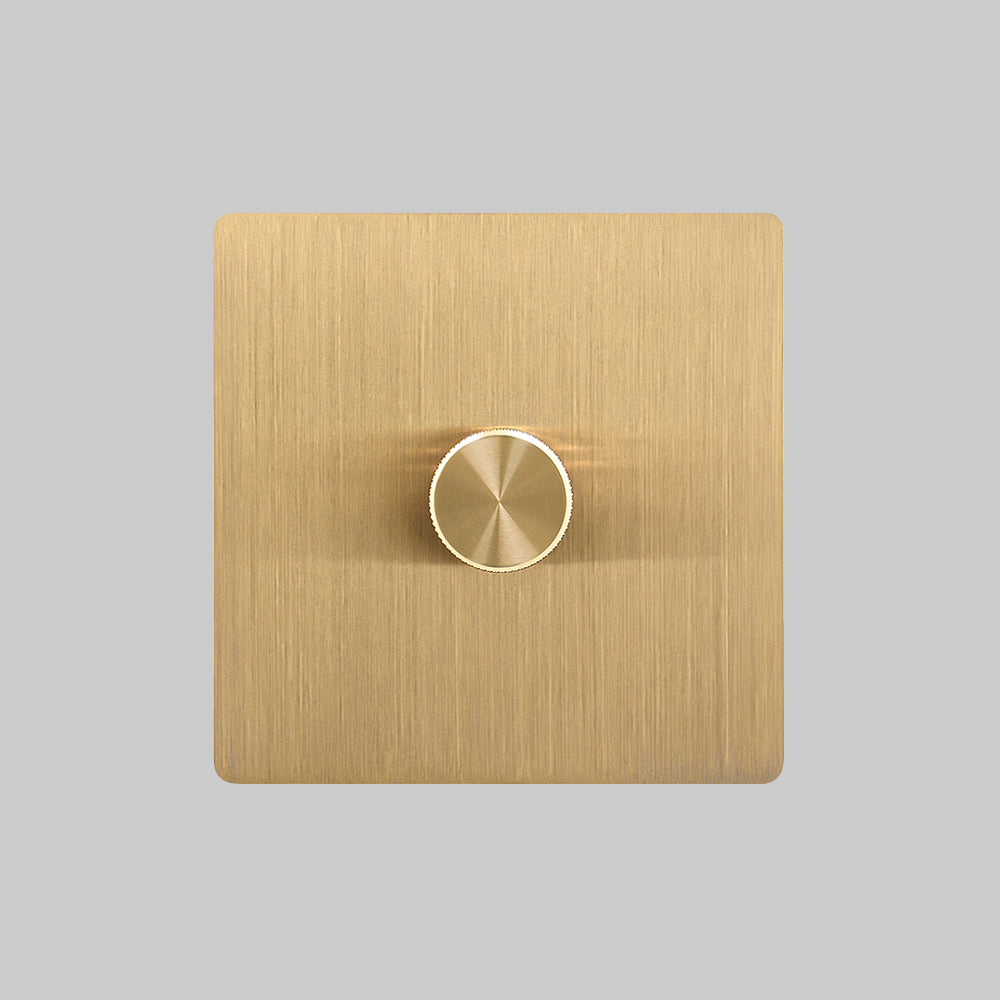
Yes, Repenic dimmers handle floor lamps without rewiring by replacing existing wall switches in standard UK circuits, controlling lamp loads via trailing-edge tech from 5W.
Floor lamps plug into sockets wired to wall switches—Repenic dimmers upgrade these switches directly. No lamp rewiring needed; just ensure dimmable LEDs (5-250W). RD-MP enables multi-way (up to 5 units, total ≥15W), ideal for hall/stair floor lamps.
Zigbee models integrate with Google Home via gateways, no hub required for basics. Fits MK/BG grids, metal faceplates grounded.
Why Choose Trailing Edge Dimmers for LED Compatibility?
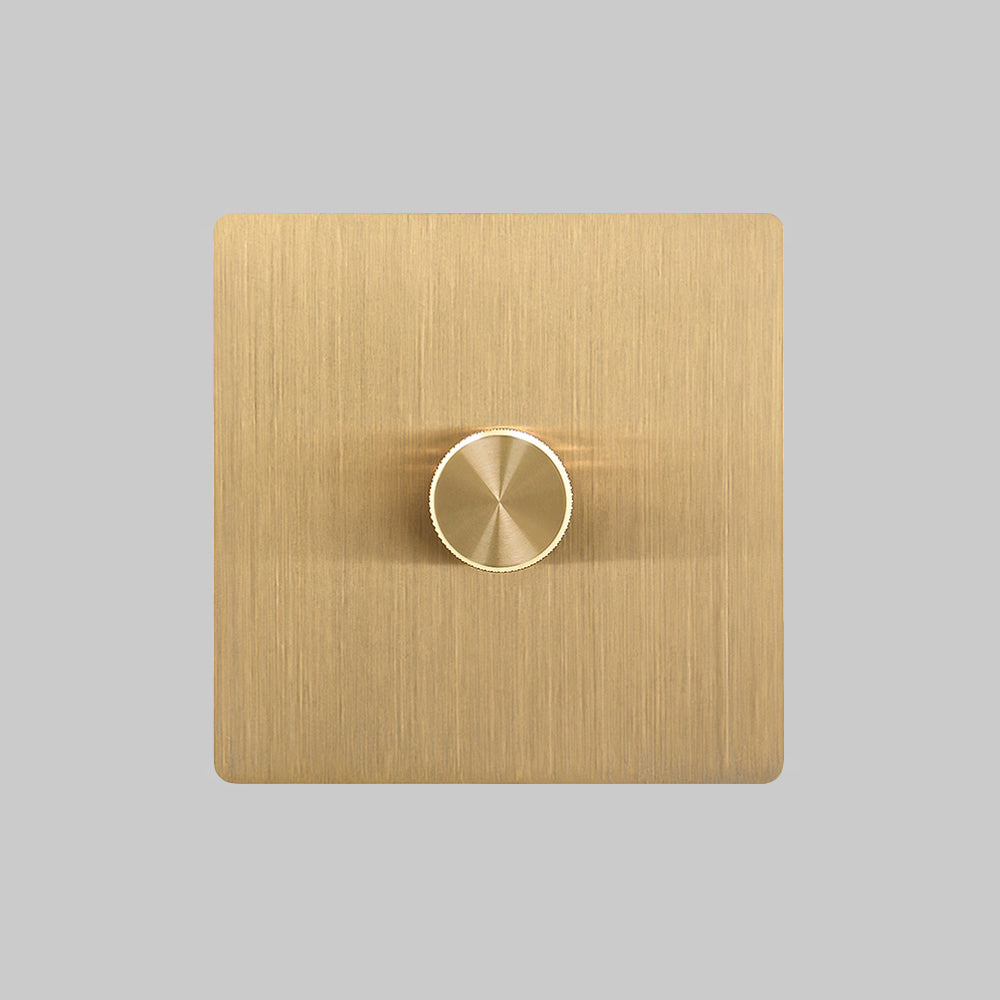
Trailing edge dimmers excel for LED compatibility by minimizing noise, inrush current, and flicker, supporting low-wattage loads from 5W in UK 230V systems.
RE dimmers switch off late in the waveform, mimicking natural LED driver needs. Repenic dimmers default to RE, programmable to LE for versatility. This reduces buzzing (common in plug-ins) and extends bulb life.
| Repenic Model | LED Load (R,C) | Multi-Gang De-Rating (R,C) | Key Features |
|---|---|---|---|
| RD-250 | 5-250W | 1G=250W, 2G=212W, 3G=175W | BOOST, auto-adjust |
| RD-400 | 5-400W | 1G=400W, 2G=340W, 3G=280W | Trailing/leading |
| RD-250ZG | 5-250W | Standard gang | Zigbee, energy monitoring |
What Are the Best Repenic Upgrades for Multi-Way Control?
Repenic's RD-MP multiway, RD-250ZG Zigbee (max 1 smart + 2 multiway), and dummy dimmers in brass/steel provide seamless multi-way control for LED floor lamps.
For 2/3-way setups, pair RD-250ZG with up to 2 RD-MP (same circuit only). Dummy dimmers (6A, brass/steel) ensure uniform look, wired as intermediates. All fit ≥25mm boxes, no neutral.
Smart brass/steel/white gangs offer Zigbee for Google Home, OTA upgrades, moonlight modes. Upgrade path: electrician swaps switch, adds dimmables—done.
Conclusion
Plug-in dimmers fail non-dimmable LEDs due to circuitry mismatch—opt for dimmable bulbs and Repenic wall dimmers for safe, flicker-free control. Tailored for UK renovations, Repenic's trailing-edge solutions with BOOST mode deliver reliability in any home. Visit Repenic.com to explore our 250W/400W dimmers and Zigbee smart options in brass, steel, or white for seamless LED upgrades in your UK home.
FAQs
Can I use a Repenic dimmer with my existing floor lamp?
Yes, if using dimmable LEDs (5W+); replace the wall switch—no lamp rewiring needed.
Do Repenic dimmers require a neutral wire?
No, designed for standard UK back boxes without neutral.
What if my LEDs flicker on low settings?
Enable BOOST mode and adjust min brightness (1-50%) on Repenic RD-250/RD-400.
Are Repenic dimmers compatible with Google Home?
Yes, Zigbee RD-250ZG works via any Zigbee 3.0 gateway.
Who installs Repenic dimmers?
Qualified electricians per UK regulations—5-year warranty applies.