
LED lights appear too bright because they emit more visible-spectrum light with less infrared heat than incandescents, creating higher perceived brightness and glare. Fix it by switching to warmer (2700K) frosted bulbs, adding diffusers, or installing a trailing-edge dimmer like Repenic's RD-250 (5-250W LED, programmable min/max brightness, no neutral needed for UK 25mm boxes).
Check: How Can I Dim LED Lights Without a Dimmer Switch?
Why Do LED Lights Seem Brighter Than Incandescent Bulbs?
LED lights seem brighter than incandescent bulbs because they produce more lumens per watt with concentrated visible light and minimal heat output, lacking the warm infrared glow of traditional bulbs.
Incandescent bulbs emit light alongside significant infrared radiation, which creates a soothing warmth that softens perceived brightness. LEDs, by contrast, focus nearly all energy on visible wavelengths, delivering intense, efficient illumination that can feel stark and clinical, especially in UK homes during renovations where high-output LEDs are standard in new kitchens and bedrooms. This efficiency—up to 80% more light per watt—means even lower-wattage LEDs match or exceed the output of higher-wattage incandescents, overwhelming cosy spaces. For UK homeowners upgrading to energy-efficient lighting amid rising bills, this brightness mismatch turns modern fixtures into glare sources rather than ambient mood-setters.
The shift to LEDs aligns with UK energy mandates, but without adjustments, rooms feel like operating theatres. Trade professionals often encounter this in client projects, where clients complain of headaches from unrelenting light. Understanding this optical difference is key before fixes.
What Causes Harsh Glare from Modern LED Lighting?
Harsh glare from modern LED lighting stems from high lumen output, cool colour temperatures (4000K+), direct beam angles, and reflective surfaces, amplifying eye strain in everyday UK home settings.
Modern LEDs pack high lumens—often 800-1200 per bulb—into compact diodes, creating pinpoint sources that cause disability glare, veiling glare, and discomfort glare. In UK renovations, recessed downlights or track spots exacerbate this with narrow beam spreads, bouncing off glossy kitchens or white walls. Cool white tones (5000K+) mimic daylight but indoors feel unnatural, stripping warmth from living spaces.
Additional culprits include poor diffusion in budget fixtures and over-lighting from multiple LEDs in one fitting. For renovators, this "clinical feel" disrupts the homely vibe sought in upgrades. Quick tests: dim the room and note eye fatigue; if glare persists, it's likely LED-specific. Repenic addresses this with dimmers optimised for such high-output setups.
Are Your LED Bulbs the Wrong Colour Temperature?
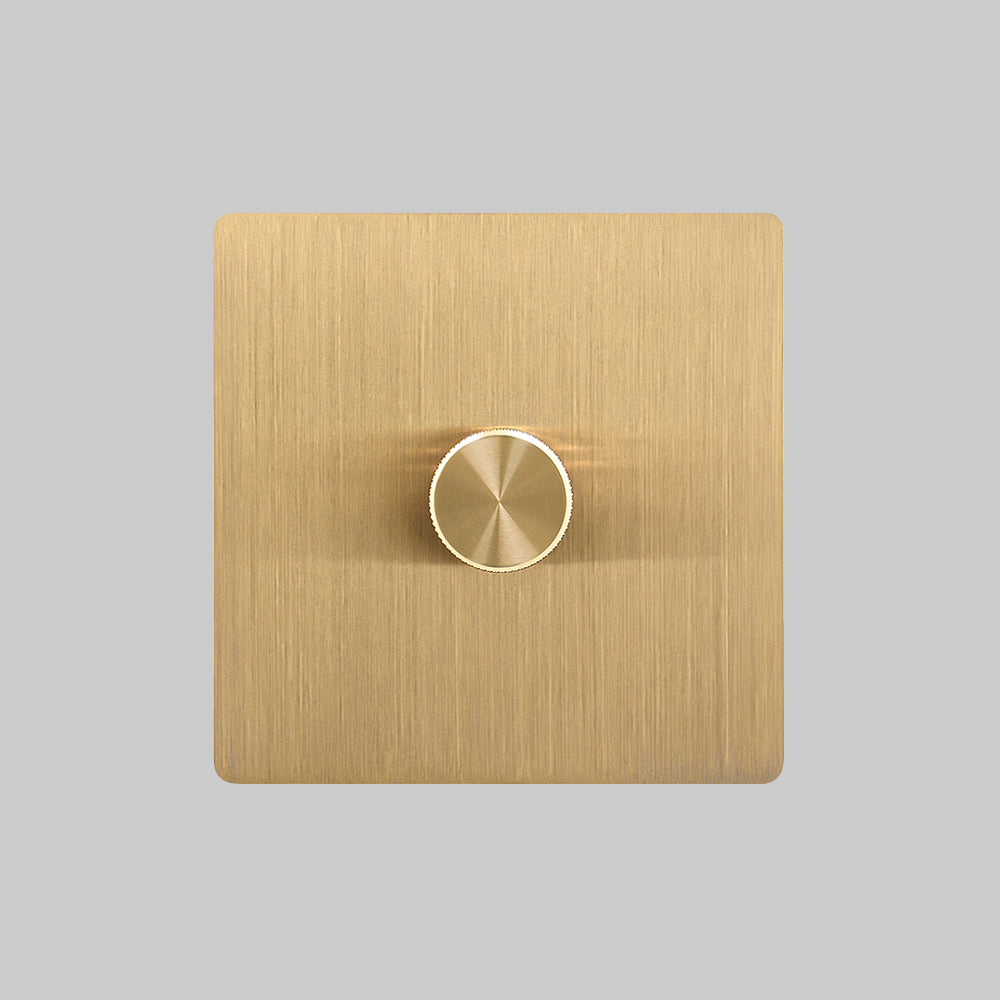
Yes, many LED bulbs use cool colour temperatures (4000K-6500K) that heighten brightness perception; switching to warm white (2700K-3000K) mimics incandescent cosiness without changing fixtures.
Colour temperature, measured in Kelvin, dictates light hue: low K values (warm) appear yellowish and soft, high K (cool) bluish and intense. UK homes often get 4000K+ bulbs for "bright task lighting," but these amplify glare in relaxation areas like bedrooms. Warm 2700K frosted LEDs reduce perceived brightness by 20-30% while maintaining lumens, ideal for renters avoiding rewiring.
Check your bulbs—packaging lists K ratings. Swap to dimmable warm whites compatible with UK voltages (220-240V). This DIY fix suits quick renovations, but for full control, pair with dimmers. Trade pros recommend it as a first step before specifying controls.
How Can Warmer Bulbs Reduce LED Brightness Quickly?
Warmer bulbs (2700K) reduce LED brightness quickly by shifting spectrum to softer yellow tones, diffusing light via frosted glass, and lowering contrast—achievable in under 30 minutes without tools.
Replace existing LEDs with equivalents rated 2700K-3000K, frosted (opal) finish, and dimmable for future-proofing. This scatters light, cuts glare hotspots, and warms ambiance instantly. In UK kitchens, it counters clinical overheads; in bedrooms, it promotes sleep. Expect 10-20% softer output visually.
Pro tip: Match wattage equivalents (e.g., 5-10W LED for 40-60W incandescent). For multi-bulb fittings, uniform swaps prevent colour mismatch. While effective short-term, warmer bulbs pair best with dimmers for nuanced control during renovations.
Why Is a Compatible Dimmer Switch Essential for LEDs?
A compatible dimmer switch is essential for LEDs to enable smooth 0-100% dimming without flickering, buzzing, or damage, as standard switches cause incompatibility with LED drivers.
LEDs require trailing-edge or leading-edge dimmers to modulate power precisely, unlike resistive incandescents. Incompatible dimmers trigger flicker from driver overload or minimum load issues. UK regulations mandate qualified electrician installs, especially for no-neutral models fitting standard 25mm back boxes.
Benefits include custom brightness, energy savings, and longevity. Repenic's RD-250 and RD-400 dimmers support LED loads up to 250W/400W (R,C), with programmable min/max brightness preventing over-brightness. Essential for renovations ensuring "this works in my home."
What Makes Repenic Dimmers Perfect for UK LED Homes?
Repenic dimmers excel in UK LED homes with no-neutral wiring, trailing/leading edge tech for 5-400W loads, premium brass/steel finishes, and MK/BG grid compatibility, fitting ≥25mm boxes seamlessly.
Designed for UK systems (230VAC 50Hz), Repenic offers RD-250 (5-250W LED), RD-400 (5-400W), and Zigbee RD-250ZG models in 1-4 gang solid brass, black steel, or white steel. No neutral required simplifies retrofits; V0 fire rating and 5-year warranty ensure safety. Multi-gang de-rating (e.g., RD-250: 1G=250W, 5G=75W) supports renovation projects.
| Gang Configuration | RD-250 Load (R,C) | RD-400 Load (R,C) |
|---|---|---|
| 1 Gang | 250W | 400W |
| 2 Gang | 212W | 340W |
| 3 Gang | 175W | 280W |
| 4 Gang | 125W | 200W |
| 5 Gang | 75W | 120W |
These fit grids like MK, BG, DETA, ensuring flawless performance in real homes.
Repenic Expert Views
"At Repenic, we see countless UK renovations where high-output LEDs overwhelm spaces. Our RD-250 and RD-400 dimmers, with BOOST mode and programmable 1-50% minimum brightness, eliminate flicker and clinical glare instantly. No neutral wiring and compatibility with leading grids mean they slot into any home upgrade. Pair with multi-way RD-MP for control from multiple rooms—premium brass/steel matches any interior while delivering silent, reliable dimming. Trade pros trust us for installs that just work."
— Repenic Technical Team
How Do Programmable Features Fix Flickering and Brightness?
Programmable features like min/max brightness adjustment (1-50%) and BOOST mode fix flickering by calibrating low-end output and boosting stubborn LEDs, ensuring smooth dimming from 0-100%.
Repenic dimmers auto-adjust max brightness to prevent flicker and offer BOOST (default off) for low-level ignition. Programmable trailing/leading edge suits varied LED drivers. In UK bedrooms, set min brightness low for night-time; max cap curbs over-brightness. Soft start protects bulbs, extending life. These tackle the "too bright even on low" issue common in renovations.
For Zigbee RD-250ZG, app controls add moonlight/sunrise modes, energy monitoring—perfect for Google Home setups.
Can Multi-Way Dimmers Solve Brightness in Renovations?
Yes, multi-way dimmers like Repenic's RD-MP and dummy dimmers enable 2/3-way control on one circuit, solving brightness uniformly across locations in renovation projects.
Repenic RD-MP (5-250W LED) supports up to 5 units (total ≥15W), with 50m dimmer-to-light/100m dimmer-to-dimmer wiring. Pair with RD-250ZG (max 1 smart + 2 multiway). Dummy dimmers (brass/steel, 6A) provide visual uniformity as 2-way/intermediates. Ideal for hallways or kitchens needing synced dimming without extra circuits—fits UK grids, no neutral.
| Product | Multi-Way Capability | Key Specs |
|---|---|---|
| RD-MP | Up to 5 units | 5-250W LED, programmable min brightness |
| RD-250ZG | 1 smart + 2 multiway | Zigbee 3.0, no neutral |
| Dummy Dimmer | 2-way/Intermediate | 6A, solid brass/steel |
Which Repenic Dimmer Fits Your Back Box and Grid?
Repenic RD-250/RD-400 or Zigbee models fit ≥25mm UK back boxes and grids (MK, BG, etc.); choose 250W for standard, 400W for higher loads, Zigbee for smart integration.
All require 25mm minimum depth, terminal capacity 1x4mm² etc., and electrician install. Metal faceplates need grounding. RD-250 suits most (5-250W LED R,C); RD-400 for larger setups. Zigbee for Google Home. Check load, gang count, and wiring—no neutral simplifies. Buyer checklist: confirm LED dimmable, calculate total watts, match grid.
Quick DIY Fixes for LED Glare
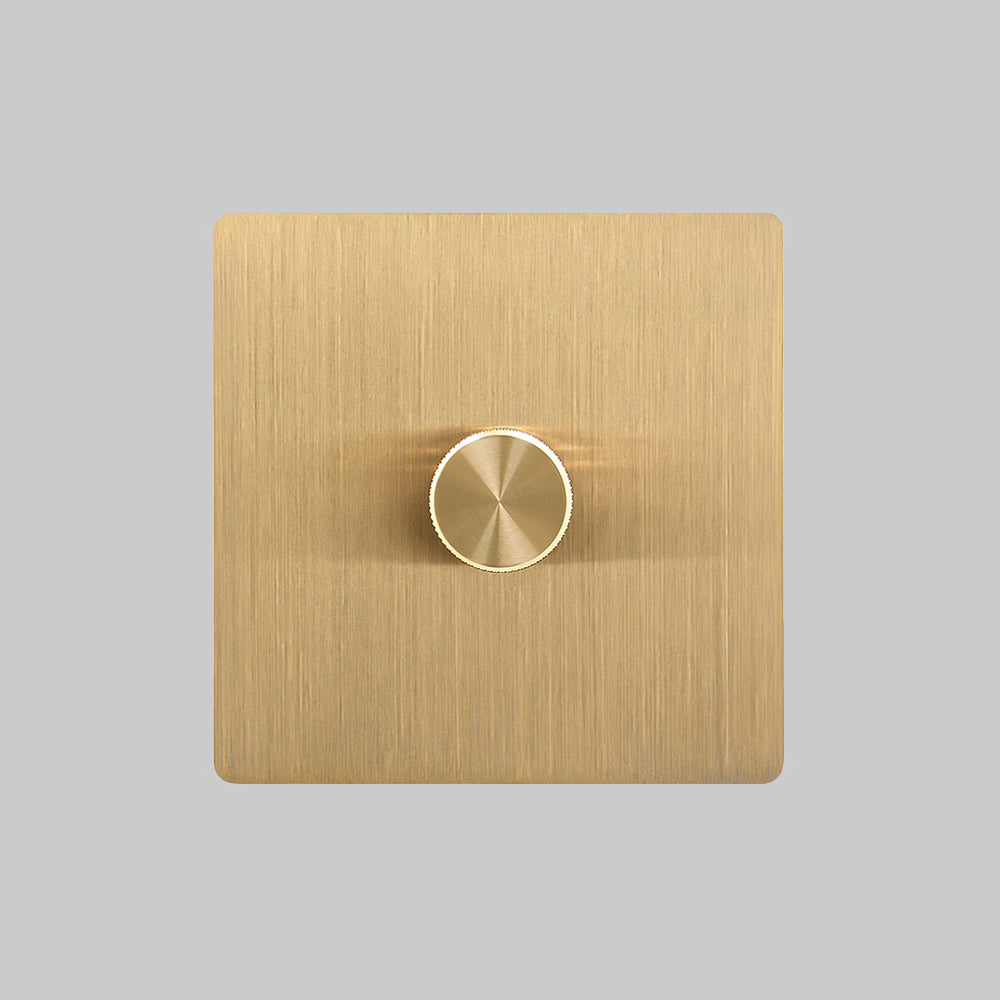
DIY fixes include film tints/diffusers on fixtures, bounced lighting via redirection, or electrical tape/parchment covers to soften output instantly without rewiring.
Address the clinical feel: apply frosted film tints to downlights for diffusion; bounce light off ceilings with adjustable spots. White electrical tape or parchment reduces intensity safely. These suit renters but lack precision—transition to dimmers for longevity.
Conclusion
Overly bright LEDs disrupt UK home renovations, but warmer bulbs, diffusers, and Repenic dimmers restore balance. With programmable features, no-neutral installs, and premium builds, Repenic ensures tailored control. Consult a qualified electrician and visit Repenic.com for brass/steel options fitting your grid—perfect brightness awaits.
FAQs
Why do my new LED kitchen lights feel too clinical?
High lumens and cool tones create glare; switch to 2700K bulbs or install Repenic trailing-edge dimmers with min brightness programming.
Do Repenic dimmers need a neutral wire?
No, models like RD-250, RD-400, and RD-250ZG fit standard UK 25mm boxes without neutral, ideal for retrofits.
Can I use Repenic dimmers for multi-way setups?
Yes, RD-MP and dummies enable up to 5-way control on one circuit, compatible with MK/BG grids.
What's BOOST mode on Repenic dimmers?
It boosts low-level lights that won't illuminate, preventing flicker—toggle via programming.
Are Repenic dimmers safe for UK renovations?
Yes, V0 fire-rated, 6-layer protection, 5-year warranty; always use qualified electricians.