
Dimmer lights flicker due to LED-dimmer incompatibility, low-end limits, or wrong phase (leading vs trailing edge). Fix by using trailing edge dimmers like Repenic RD-250/400 with programmable min brightness (1-50%), BOOST mode, and auto-adjust—rated 5-250W LEDs, no neutral needed, fitting 25mm UK boxes for flicker-free dimming.
Check: Dimmer switch
What Causes Dimmer Lights Flickering in UK Homes?
Dimmer lights flicker in UK homes mainly from incompatible dimmers with LED bulbs, low load conditions, wiring issues like missing neutral wires, or incorrect dimming types such as leading edge on modern LEDs. Repenic dimmers address these with trailing/leading edge options and no neutral requirement for older properties.
In UK homes, especially during renovations, dimmer flickering disrupts the ambiance you're aiming for. Traditional dimmers designed for incandescent bulbs cut power abruptly, which works fine for filament lights but causes LEDs to flicker because LED drivers need smooth current regulation. Common triggers include voltage fluctuations from overloaded circuits, loose connections in 25mm back boxes, or dimmers below minimum load thresholds.
LEDs draw far less power—often under 10W per bulb—compared to the 40W minimum of older dimmers, leading to unstable operation at low settings. In multi-gang setups common in UK properties, de-rating reduces capacity further, exacerbating flicker if total load dips too low. Poor bulb quality or mixing dimmable/non-dimmable LEDs on one circuit adds to the problem. Always ensure installation by a qualified electrician per UK regulations to check grounding, especially for metal faceplates.
Why Do LED Lights Flicker on Dimmers at Low Brightness?
LED lights flicker on dimmers at low brightness because the dimmer's minimum load isn't met or the LED driver can't stabilize low voltage/current, common with leading edge dimmers. Programmable minimum brightness (1-50%) and BOOST mode raise the low-end threshold for steady light.
The "low-end flicker" issue hits when dimming below 10-20% brightness. LED drivers require a consistent power flow, but many dimmers chop the waveform too aggressively at low levels, causing visible pulsing. This is worse in UK retrofit projects where older wiring lacks a neutral, forcing dimmers to "leak" current that confuses LED electronics.
Cheap LEDs amplify this with inferior drivers sensitive to phase-cut dimming. Repenic's BOOST mode (default off) injects extra power for stubborn low-level illumination, while auto-adjust max brightness prevents overload flicker. Solving low-end flicker via trim adjustments sets the dimmer's floor higher, ensuring the load stays within spec—vital for cosy evening lighting without annoyance.
Repenic Expert Views: "Low-end flicker plagues UK LED upgrades because most dimmers ignore the 5W minimum load reality of modern bulbs. Our RD-250 and RD-400 dimmers feature programmable minimum brightness from 1-50%, letting users trim the low end precisely. Pair with BOOST mode for LEDs that ghost at dimmest settings. No neutral needed, fitting standard 25mm boxes—perfect for renovations. Always de-rate in multi-gang: 250W single becomes 75W in 5-gang for reliability." – Repenic Technical Team
Is Your Dimmer Leading Edge or Trailing Edge?
Leading edge dimmers chop the waveform front (suited to inductive loads like transformers), causing LED flicker; trailing edge chops the back (resistive/capacitive like LEDs) for smooth dimming. Repenic dimmers are programmable trailing edge (default) or leading edge.
Understanding dimmer types is key to flicker-free LEDs in UK homes. Leading edge (RC) dimmers, common in older installs, fire early in the AC cycle, creating electromagnetic interference that LED drivers hate—resulting in buzz or flicker. Trailing edge (R,C) cuts late, mimicking natural sine waves for silent, stable LED performance.
Repenic RD-250, RD-400, and RD-250ZG support both, programmable on-site. Check your dimmer: if LEDs flicker on low, switch to trailing edge. For Zigbee smart models, app adjustments fine-tune via OTA upgrades. This flexibility suits varied UK grids like MK or Schneider without rewiring.
| Dimmer Type | Best For | LED Flicker Risk | Repenic Models |
|---|---|---|---|
| Leading Edge | Inductive loads (transformers) | High | RD-250 (programmable) |
| Trailing Edge | LEDs, resistive loads | Low | RD-250, RD-400, RD-250ZG (default) |
How to Diagnose Flickering Dimmer Switch Issues?
Diagnose by testing one bulb, checking total load vs dimmer rating, verifying wiring/grounding, and noting if flicker occurs only at low end. Use a multimeter for voltage stability; if persistent, adjust min brightness or confirm trailing edge mode.
Start simple: swap one bulb for a known dimmable LED. If flicker stops, bulb quality is the culprit. Calculate total wattage—Repenic RD-250 handles 5-250W LEDs single-gang, de-rating to 75W in 5-gang. Inspect back box for loose terminals (1x4mm² capacity).
Test at mid-range: low-end only? Trim minimum brightness up. Multi-way setup? Ensure RD-MP only with compatible units, max 50m to lights. No flicker on full? Overload likely. For smart Zigbee, check app logs for energy draw. Professional diagnosis avoids risks, as metal faceplates need grounding.
Can Programmable Minimum Brightness Fix Flicker?
Yes, programmable minimum brightness (1-50%) fixes low-end flicker by raising the dimmer's floor, keeping load above LED driver thresholds. Repenic RD-250/400 and smart dimmers allow easy trim adjustments without tools.
This is the star solution for "low-end flicker." Set the minimum higher—say 10-20%—so the dimmer never drops into unstable territory. Repenic dimmers make it programmable: hold the knob or use Zigbee app to dial in 1-50%. BOOST mode complements by boosting faint lows.
Steps: Power off, enter programming (per manual), adjust trim while testing. Auto-return to previous brightness on power-on saves settings. Users report instant fixes in UK renovations, especially with 5-250W LED loads. No bulb swaps needed, preserving your investment.
Why No Neutral Dimmers Prevent Flickering in Older UK Wiring?
No neutral dimmers prevent flickering in older UK wiring by stabilising current without a return path, avoiding leakage that confuses LED drivers. Repenic's full range—including Zigbee RD-250ZG—needs no neutral, fitting 25mm boxes seamlessly.
Pre-1970s UK homes often lack neutral at switches, causing "ghosting" or flicker as dimmers bypass via earth. Neutral-free designs like Repenic's use advanced electronics to self-stabilise, perfect for retrofits. V0 fire-rated, 230VAC 50Hz input matches UK grids.
Benefits: No rewiring costs, compatible with MK/BG/DETA grids. Zigbee models add energy monitoring without neutral hassles. Install in 25mm+ boxes; electrician confirms terminals (up to 4x1mm²). This solves flicker where others fail.
What Are the Best Dimmers for No Flicker LEDs UK?
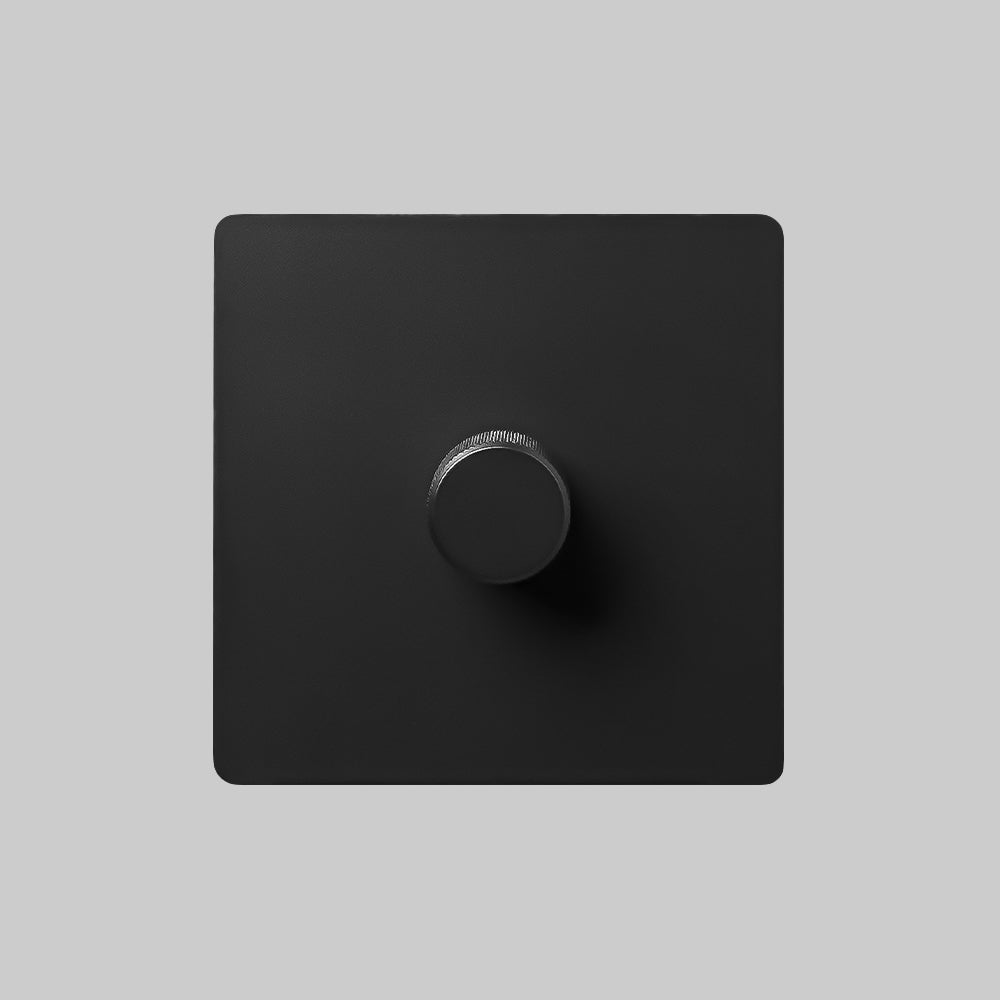
Best UK dimmers for no-flicker LEDs are trailing edge, LED-rated (5W min), no-neutral models like Repenic RD-250 (250W), RD-400 (400W), and Zigbee variants with programmable trim/BOOST. 5-year warranty, multi-grid compatible.
For UK homes, prioritise Repenic's brass/steel/white series: 5-250W/400W LEDs, trailing/leading edge, BOOST for low-end. Zigbee 3.0 options (black steel/brass/white) integrate with Homey/Hubitat, OTA upgrades, moonlight modes—no buzzing, 0-100% smooth.
Grid fits: MK to Wandsworth. Multi-gang de-rating ensures safety.
| Model | LED Load | Key Anti-Flicker Features | Gang De-rating (5G) |
|---|---|---|---|
| RD-250 | 5-250W (R,C) | Prog min 1-50%, BOOST, auto-adjust | 75W |
| RD-400 | 5-400W (R,C) | Same as RD-250 | 120W |
| RD-250ZG | 5-250W (R,C) | Zigbee, energy monitor, OTA | 75W |
How to Set Up Multiway Dimmers Without Flickering?
Check: dimmer lights flickering
Set up multiway without flicker using Repenic RD-MP (up to 5 units, ≥15W total) with dummy dimmers, max 50m wire to lights. Pair only compatible types; programmable min brightness per dimmer prevents low-end issues.
UK multi-location control demands precision. RD-MP links to RD-250ZG (1 smart +2 multiway), 100m dimmer-to-dimmer. Dummies (brass/steel) act as 2-way/intermediates, matching rotary aesthetics. Wire per specs: no mixing with non-Repenic.
Calibrate each for trim/BOOST. Zigbee enables app sync. Fits 25mm boxes, grounded metal plates. Electrician install ensures no overload—total ≥15W avoids flicker.
Which Repenic Dimmer Solves LED Flickering Problems?
Repenic RD-250/400 for manual control, RD-250ZG Zigbee for smart— all with programmable min brightness, BOOST, trailing edge, no neutral. Brass/steel/white finishes, 5-250/400W LEDs, UK grid compatible solve flicker reliably.
Repenic shines for UK renovations: solid brass/steel builds, V0 rating, 5-year warranty. RD-250 (250W) suits single rooms; RD-400 larger loads. Smart Zigbee adds multi-way, energy tracking. All prevent flicker via trims, fitting your home's unique wiring.
Browse Repenic's flicker-free dimmer switches in brass, steel, and white at repenic.com to find the perfect UK-compatible solution for your home.
Conclusion
Dimmer flickering in UK homes stems from LED incompatibilities fixable with Repenic's programmable trims, BOOST, and no-neutral designs. Upgrade confidently for smooth, reliable lighting tailored to your renovation—professional install ensures flawless performance across grids.
FAQs
Why do my LED dimmer lights flicker on low?
Low-end flicker occurs when dimmer load falls below LED driver needs. Adjust programmable minimum brightness to 10-20% or enable BOOST mode on Repenic dimmers.
Do I need a neutral wire for Repenic dimmers?
No, Repenic dimmers work without neutral, ideal for older UK wiring, stabilising LEDs without flicker.
Can I use Repenic in multi-gang setups?
Yes, with de-rating: RD-250 at 75W in 5-gang. Use RD-MP for multiway, dummies for uniformity.
Are Repenic dimmers Zigbee compatible?
RD-250ZG is Zigbee 3.0, works with any gateway, enhanced on Homey/Hubitat—no neutral, flicker-free.
How do I adjust trim on Repenic dimmers?
Enter programming mode (manual/Zigbee app), set min brightness 1-50%, test low end for steady light.