
Yes, remote access for Zigbee smart lighting like Repenic dimmers is safe when using encrypted local mesh networks, OTA updates, and open hubs like Homey—avoiding WiFi vulnerabilities in bulbs. Wall dimmers reduce risks versus network-exposed bulbs, with 6-layer protection and no cloud dependency for UK homes.
Check: How Can You Control Lights Away from Home with Remote?
What Are the Biggest Smart Lighting Security Myths?
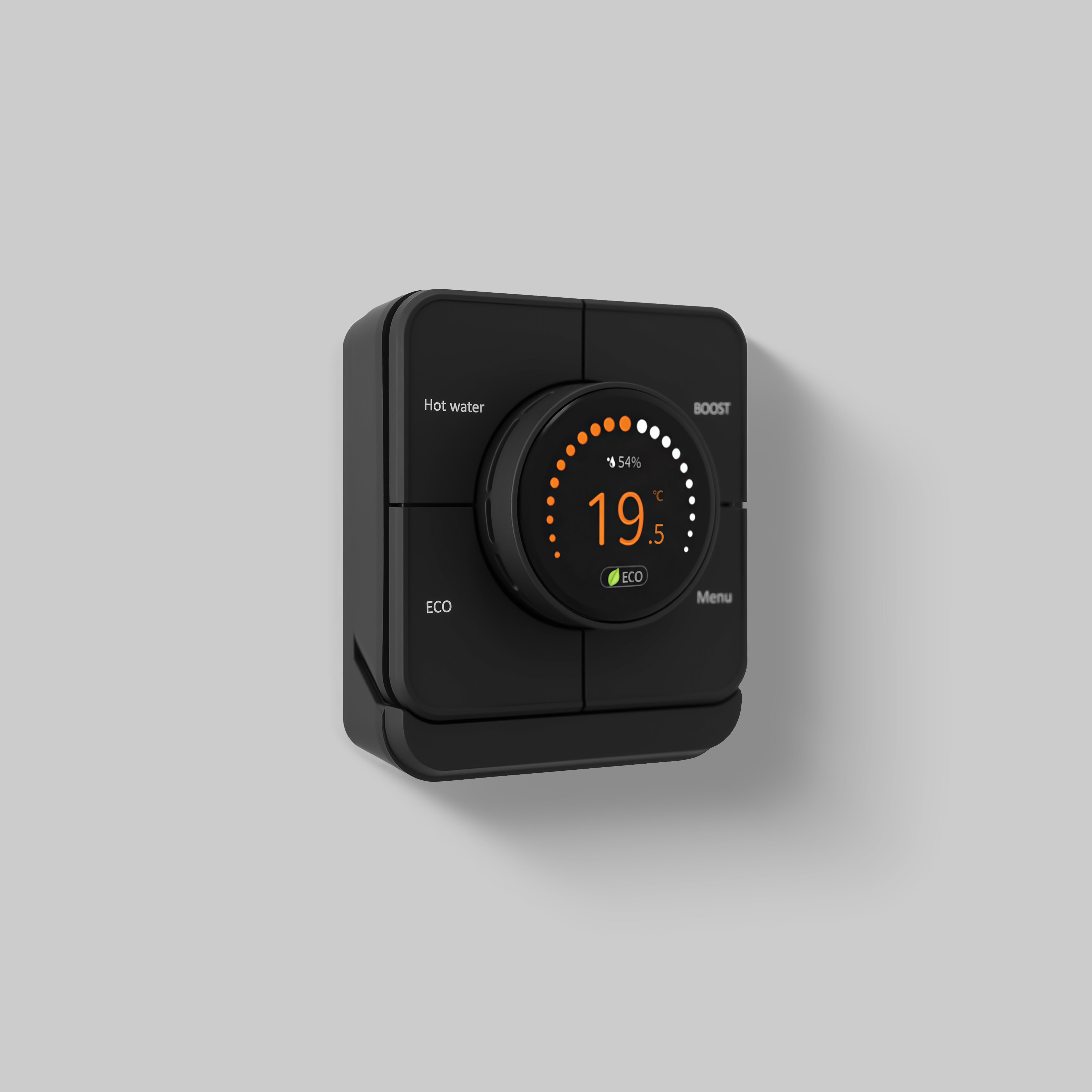
Smart lighting myths include ideas that all remote access invites hackers, Zigbee is as vulnerable as WiFi, and smart bulbs are equally safe as wall dimmers. In reality, modern systems use encryption and local protocols to protect users.
UK homeowners often hear alarming stories about smart lighting turning homes into hacker playgrounds. Common myths paint all smart lights as easy targets, but evidence shows otherwise. For instance, fears of constant surveillance ignore that many systems, especially Zigbee-based ones, operate locally without cloud reliance. Smart bulbs connected directly to WiFi can pose risks if networks are unsecured, but wall-mounted dimmers like those using Zigbee 3.0 create a mesh network within your home, keeping control off the internet unless you choose remote access.
Another myth is that smart homes trigger endless false alarms or attract more hackers than traditional setups. Secure protocols and proper installation debunk this—systems with data encryption, similar to banking apps, mask communications effectively. During renovations, UK trade professionals recommend focusing on devices with over-the-air (OTA) updates and no neutral wire needs, fitting standard 25mm back boxes seamlessly.
Repenic's Zigbee smart dimmers address these myths head-on, offering features like energy monitoring and multi-way control without exposing your network broadly.
Is Zigbee Safer Than WiFi for Smart Lights in UK Homes?
Zigbee is safer than WiFi for UK smart lights due to its local mesh networking, 128-bit AES encryption, and low power design that avoids constant internet pings. Unlike WiFi bulbs, Zigbee dimmers don't require cloud access for basic operation.
Zigbee 3.0 protocols create a self-healing mesh where devices relay signals locally, reducing exposure to external threats. WiFi smart bulbs, often directly internet-connected, can become entry points if routers lack segmentation. In UK homes, where electrical standards demand qualified electrician installs, Zigbee shines—no neutral wire required simplifies retrofits into existing circuits.
Recent cybersecurity reports highlight WiFi vulnerabilities like plain-text credentials, but Zigbee mandates secure pairing and encryption from the start. For renovations, this means reliable control via hubs like Homey or Hubitat, compatible with Google Home ecosystems without compromising privacy.
Repenic Zigbee smart dimmers in solid brass, black steel, or white finishes support trailing and leading edge dimming for 5-250W LED loads, with OTA upgrades ensuring ongoing security.
| Feature | Zigbee (e.g., Repenic Dimmers) | WiFi Bulbs |
|---|---|---|
| Network Type | Local mesh, encrypted | Direct internet, cloud-dependent |
| Encryption | 128-bit AES standard | Varies, often weaker |
| Remote Access | Optional via secure hub | Always cloud-required |
| UK Install Ease | No neutral, 25mm box | Bulb replacement only |
Why Do Smart Bulbs Get Hacked More Than Wall Dimmers?
Smart bulbs get hacked more than wall dimmers because they connect directly to WiFi networks, acting as entry points, while dimmers use isolated protocols like Zigbee. Wall units control power at the source, minimizing network exposure.
Research shows smart bulbs can leak data via light modulation or infrared if malware infiltrates phones, exploiting unsecured WiFi. Wall dimmers, wired into UK circuits, handle loads like 5-250W LEDs without internet dependency. They focus on hardware-level control—trailing edge dimming prevents flickering, and features like BOOST mode ensure low-level illumination securely.
In multi-gang setups common in UK renovations, Repenic dimmers fit MK, BG, DETA, and other grids, with multi-way control up to one smart unit plus two dummies on a circuit. This hardware approach bypasses bulb vulnerabilities, as dimmers don't broadcast status openly.
Privacy stays intact with local hubs; no need for constant cloud checks that bulbs demand.
How Does Encryption Protect Remote Access in Zigbee Systems?
Check: Dimmer switch
Encryption in Zigbee uses 128-bit AES to scramble data between devices and hubs, making remote access safe even over secure WiFi protocols like WPA3. It prevents interception during pairing or control commands.
Zigbee's end-to-end encryption mirrors secure messaging apps, protecting commands like dimming or on/off. For remote access, pair with a hub using strong passwords and multi-factor authentication. UK homeowners benefit from VLAN segmentation on routers, isolating smart devices from guests or IoT.
Repenic's RD-250ZG Zigbee dimmer includes child lock, power outage restart, and dimming speed settings, all secured locally. Six layers of intelligent protection exceed UKCA standards, with V0 fire rating for safety.
Secure WiFi protocols like WPA3 add defense; avoid WPS or default credentials to keep networks private.
Can Hackers Really Control Your Lights from Afar?
Hackers cannot easily control Zigbee lights from afar without breaching your local network, encryption, and hub security—far harder than WiFi bulb exploits. Local mesh limits remote risks.
While WiFi bulbs invite attacks via router flaws, Zigbee requires physical proximity for initial pairing. Remote control needs hub access, blocked by firewalls and updates. Stories of hacks often stem from reused passwords, not protocol flaws.
For UK systems, install per regulations with grounded metal faceplates. Repenic dimmers auto-adjust brightness and return to previous levels post-power-on, maintaining function offline.
Network privacy via guest WiFi separation and firmware updates like Repenic's OTA keep control yours.
What Makes Repenic Zigbee Dimmers Secure for Renovations?
Repenic Zigbee dimmers secure renovations with Zigbee 3.0 encryption, OTA updates, no neutral wiring, and 6-layer safety exceeding UKCA for 5-250W loads in 25mm boxes. Multi-way compatibility fits UK grids perfectly.
Designed for UK homes, Repenic's smart dimmers in solid brass, stainless steel, or black steel offer premium builds with knurled knobs and recycled PC modules. They support Halogen, Incandescent, Dimmable LED, and CFL up to 250W, with de-rating for multi-gang: 1G=250W, 2G=212W (R,C).
Features like energy monitoring, moonlight/sunrise modes, and co-sleeping ensure privacy-focused control. Compatible with Homey and Hubitat for local automation, they integrate with Google Home via hubs without cloud risks.
| Model | Load (LED R,C) | Multi-Gang De-Rating (1G/2G/3G) | Key Security Feature |
|---|---|---|---|
| RD-250ZG (Zigbee) | 5-250W | 250W/212W/175W | OTA Upgrades |
| Smart Dimmer Brass | 5-250W | 250W/212W/175W | 6-Layer Protection |
| Smart Dimmer Steel | 5-250W | 250W/212W/175W | Child Lock |
Repenic Expert Views
"At Repenic, security is engineered in from the start. Our Zigbee 3.0 dimmers use local mesh networks, eliminating cloud vulnerabilities common in WiFi bulbs. With OTA firmware updates, 6-layer protection, and no neutral wire needs, they fit seamlessly into UK renovations. Trade pros trust our compatibility with major grids and enhanced features on open hubs like Homey. Every home deserves reliable, private control—our solid brass and steel finishes deliver performance without compromise." – Repenic Engineering Team
Are OTA Updates Enough to Keep Smart Lighting Safe?
OTA updates are essential but pair best with encryption and local control; Repenic dimmers combine them for comprehensive safety, patching vulnerabilities remotely without hardware swaps.
Firmware flaws get fixed via OTA, addressing emerging threats. Repenic supports this across models, ensuring trailing/leading edge programmability stays secure. Combine with strong network hygiene—WPA3, unique passwords—for full protection.
In UK contexts, electrician installs ensure grounding, vital for metal faceplates.
How Can You Set Up Local-Only Control Without Cloud Risks?
Set up local-only control using Zigbee hubs like Homey or Hubitat, segment networks with VLANs, and disable remote access for zero cloud risks while retaining multi-way dimming.
Choose dimmers over bulbs for circuit-level control. Repenic's RD-MP multiway units connect up to 5 on a circuit (total ≥15W), with max 50m to lights. Use secure WiFi protocols and guest networks to isolate.
For privacy, enable local APIs on hubs; Google Home works via Zigbee bridges without direct exposure.
Conclusion
Remote access in smart lighting is safe with Zigbee protocols, encryption, and smart choices like Repenic dimmers. Debunked myths reveal secure options for UK homes—prioritize local control, updates, and professional installs for peace of mind during renovations. Explore Repenic's range at repenic.com for tailored, premium solutions.
FAQs
Is Zigbee compatible with Google Home?
Yes, via Zigbee 3.0 hubs like Homey or Hubitat, Repenic dimmers integrate seamlessly for voice control without cloud dependency.
Do Repenic smart dimmers need a neutral wire?
No, designed for UK standard 25mm back boxes without neutral, simplifying installations.
Can I use multi-way control with Repenic Zigbee dimmers?
Yes, max 1 smart dimmer + 2 multiway units per circuit, compatible with RD-MP or dummies.
How does Repenic ensure privacy in smart lighting?
Through local Zigbee mesh, OTA updates, child lock, and no default cloud reliance—network stays private.
Are Repenic dimmers safe for LED lighting in the UK?
Yes, 5-250W trailing/leading edge dimming with BOOST mode, auto-adjust, and V0 fire rating.