
Featured Snippet UK kitchen switches near sinks must be installed at least 30cm horizontally from the sink edge, comply with BS 7671 RCD protection requirements, and have an IP44 rating in wet zones. Choose dimmers with trailing-edge dimming for LED compatibility, no-neutral wiring for standard 25mm back boxes, and V0 fire-rated components. Install switches 120–140cm above floor level for ergonomic access.
Check: Dummy dimmer - Solid brass 1/2/3/4 Gang
What Are the UK Safety Regulations for Kitchen Light Switches Near Water?
BS 7671 mandates that kitchen switches within wet zones must be at least 30cm horizontally from sink edges, protected by RCD devices rated 30mA, and rated IP44 minimum. Switches must use V0 fire-rated materials and be installed in back boxes with depths of at least 25mm. All installations require a qualified electrician and compliance with current Building Regulations.
Kitchen electrical safety in the UK is governed by BS 7671:2018 (Requirements for Electrical Installations), which classifies kitchens as Zone 1 environments due to water exposure. This means your light switches and dimmers must meet stricter standards than those in dry rooms. The 30cm horizontal clearance rule applies to any switch controlling circuits that could be affected by water splash—typically measured from the outer edge of your sink basin.
Beyond distance, BS 7671 requires that all circuits in kitchens be protected by Residual Current Devices (RCDs) rated at 30mA. This protection guards against electric shock if water contacts live components. Additionally, switches in wet zones must carry an IP44 rating, meaning they resist water spray from any direction. The IP rating system works as follows: the first digit (4) indicates dust protection, while the second digit (4) denotes resistance to water spray.
Fire safety is equally critical. Your dimmer switch or standard switch must use V0-rated materials—the highest fire classification—to prevent flame spread if an electrical fault occurs. Repenic's entire dimmer range, including their Black Steel, Solid Brass, and White Steel models, exceeds these standards with V0 fire-rated recycled plastic modules and six layers of intelligent protection. This ensures your kitchen remains both compliant and protected against thermal risks.
How Do You Choose Between Standard Switches, Dimmers, and Smart Dimmers for Kitchens?
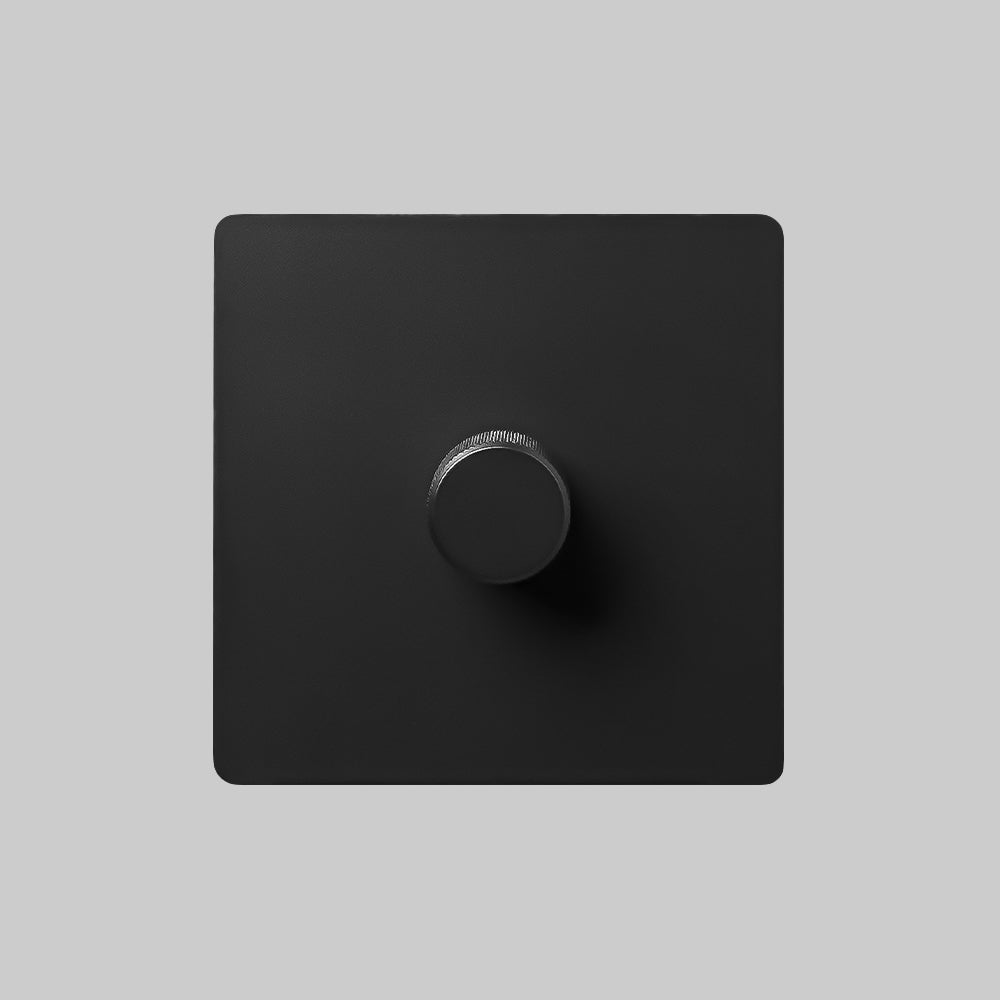
Standard switches offer simple on/off control; manual dimmers provide flicker-free LED dimming with programmable brightness; smart dimmers add Zigbee 3.0 control via Google Home or Homey without requiring neutral wires. Choose based on your lighting needs—dimmers excel in kitchens where LED dimming prevents flickering, while smart dimmers suit multi-zone control and energy monitoring in larger renovations.
When selecting kitchen lighting control, you have three primary options, each suited to different kitchen layouts and renovation budgets.
Standard Switches are the simplest choice—they toggle lights on and off with no dimming capability. They work reliably with any bulb type and require minimal wiring. However, they offer no flexibility for mood lighting or energy savings, and they cannot address LED flickering issues common in kitchens with budget LED downlights.
Manual Dimmers provide superior control for kitchen environments. They allow you to adjust brightness smoothly from 1% to 100%, reducing energy consumption and extending bulb life. Crucially, modern dimmers like Repenic's RD-250 (250W capacity) and RD-400 (400W capacity) feature programmable minimum brightness settings that prevent LED flickering at low levels—a common complaint in kitchens where subtle ambient lighting is desired. These dimmers support both trailing-edge and leading-edge dimming modes, automatically selecting the best option for your bulb type. They install without requiring a neutral wire, fitting standard UK 25mm back boxes, which simplifies retrofitting into existing kitchen circuits.
Smart Dimmers (Zigbee 3.0) add remote control via your smartphone, voice commands through Google Home, or automation routines. Repenic's Smart Dimmer range in Black Steel, Solid White, and Solid Brass finishes operates on the Zigbee 3.0 protocol, compatible with platforms like Homey and Hubitat. These dimmers offer energy monitoring—tracking real-time consumption—and advanced features such as sunrise modes for morning kitchen routines, moonlight modes for nighttime navigation, and programmable schedules. Like manual dimmers, they require no neutral wire and deliver flicker-free 0–100% dimming. They're ideal for kitchens integrated into broader smart home ecosystems.
| Switch Type | Brightness Control | LED Flickering | Neutral Wire Required | Smart Home Integration | Best For |
|---|---|---|---|---|---|
| Standard Switch | On/Off only | Not addressed | No | None | Simple, budget kitchens |
| Manual Dimmer (RD-250/RD-400) | 1–100% smooth | Prevented via programmable minimum | No | None | LED kitchens needing flicker-free control |
| Smart Dimmer (Zigbee 3.0) | 1–100% smooth + remote | Prevented; boost mode for stubborn bulbs | No | Zigbee 3.0 (Homey, Hubitat, Google Home) | Modern kitchens with smart home systems |
Which Dimmer Switch Types Work Best with LED Kitchen Lighting Without Flickering?
Trailing-edge dimmers are best for most dimmable LEDs, as they reduce voltage smoothly without causing flicker. Choose dimmers with programmable minimum brightness (set to 5–10%) and boost mode enabled to prevent low-level flicker. Repenic dimmers auto-adjust maximum brightness and support both trailing and leading edge modes, eliminating flickering across all LED types in your kitchen.
LED flickering in kitchens is a persistent problem when using standard dimmers or poor-quality dimmer switches. The issue stems from how LEDs respond to dimming signals. Unlike incandescent bulbs, which dim smoothly as voltage reduces, LEDs use pulse-width modulation (PWM)—rapid on/off cycles—to control brightness. If a dimmer's switching frequency is too slow or incompatible with the LED driver, you'll see visible flicker, especially at low brightness levels.
Repenic's dimmer range addresses this through advanced chipset technology and tuned MOSFETs (metal-oxide-semiconductor field-effect transistors) that operate at high frequencies, ensuring flicker-free dimming from 1% to 100%. The RD-250 and RD-400 models support both trailing-edge and leading-edge dimming modes:
Trailing-Edge Dimming (default on Repenic dimmers) is ideal for most dimmable LEDs and modern lighting loads. It reduces voltage gradually from the trailing edge of the AC waveform, creating a smooth dimming curve that most LED drivers prefer. This mode minimizes flicker and is compatible with capacitive loads like dimmable CFL bulbs.
Leading-Edge Dimming is better suited to older halogen and incandescent loads or specific LED types that require it. Repenic dimmers allow you to switch between modes programmatically, ensuring optimal performance for your exact kitchen lighting setup.
Two additional features prevent low-level flicker: programmable minimum brightness allows you to set a floor brightness level (typically 5–10%) below which the dimmer won't go, preventing LEDs from entering unstable PWM ranges. Boost mode, enabled by default on Repenic dimmers, automatically detects LEDs that struggle to illuminate at very low levels and applies a brief voltage boost to kick them on reliably.
Can You Install a Kitchen Dimmer Without a Neutral Wire in UK Homes?
Yes. Modern dimmers like Repenic's RD-250, RD-400, and Zigbee Smart Dimmer models are designed for UK homes and require no neutral wire. They work with standard 25mm back boxes and fit all major UK grids (MK, BG, DETA, Hager, Wandsworth). This simplifies retrofitting into older kitchens where neutral wires may not be present at switch locations.
One of the biggest advantages of contemporary dimmer technology is the elimination of the neutral wire requirement. Historically, dimmers needed neutral connections to power their internal electronics. This created complications in older UK homes, where switch locations often lacked neutral conductors—requiring costly rewiring or acceptance of limited dimming options.
Repenic dimmers solve this problem through capacitive power-supply designs that draw minimal current from the live and switched-live conductors, eliminating the need for a neutral connection. This means you can install a Repenic RD-250 (250W capacity) or RD-400 (400W capacity) dimmer in virtually any UK kitchen without rewiring, as long as your back box meets the minimum 25mm depth requirement.
The same applies to Repenic's Smart Dimmer range (available in Black Steel, Solid White, and Solid Brass finishes). These Zigbee 3.0 dimmers operate without neutral wires, making them perfect for kitchen renovations where adding new cabling would be disruptive or expensive. They're compatible with all major UK grid systems—MK, BG, DETA, Hager, Hamilton, Crabtree, Schneider, Schneider-lisse, and Wandsworth—so they'll match your existing socket outlets and light switches aesthetically and functionally.
For multi-way kitchen layouts (e.g., controlling the same light from two or three locations), Repenic offers multiway dimmers (RD-MP) and dummy dimmers in Brass and Steel finishes. These companion switches allow you to build 2-way or 3-way control systems without neutral wires, simplifying complex kitchen lighting schemes.
What's the Difference Between 2-Way and Multi-Way Dimmer Setups in Kitchens?
2-way control lets you operate lights from two locations using one dimmer and one dummy switch. Multi-way (3+ locations) uses multiple dimmers or dummy switches on the same circuit. Repenic's RD-MP multiway dimmers enable up to five units per circuit, supporting 2-way and 3-way layouts without neutral wires—ideal for large kitchens with multiple entry points.
Kitchen layouts often benefit from lighting control at multiple points—say, from the main kitchen entrance and near the sink, or from the island and the doorway. This is where multi-way dimmer systems shine.
2-Way Control uses one active dimmer switch and one passive dummy switch (also called a 2-way dummy or intermediate dummy). The dimmer controls brightness and on/off; the dummy switch simply redirects the circuit to activate the dimmer from a second location. Both Repenic's manual dimmers (RD-250, RD-400) and Smart Dimmers work as 2-way masters, paired with Repenic's Dummy Dimmer in Solid Brass or Solid Steel finishes. The dummy dimmers feature matching rotary knobs and premium materials, ensuring visual uniformity across your kitchen panel.
Multi-Way Control (3+ Locations) traditionally required intermediate switches and complex wiring. Repenic simplifies this with the RD-MP multiway dimmer, which allows up to five dimmer units on the same circuit, each capable of controlling brightness and on/off status. This means you can have three or more active dimming points in your kitchen without intermediate switches or complex relay systems. The RD-MP supports wire distances up to 50m between dimmer and light, and up to 100m between dimmers, accommodating large kitchens or open-plan layouts.
For smart kitchens, Repenic's Zigbee Smart Dimmer works with up to two RD-MP multiway dimmers on the same circuit, giving you a mix of smart and manual control. This is perfect if you want voice control and automation at the main kitchen entrance but manual dimming at the island or breakfast bar.
| Setup Type | Number of Locations | Active Dimmers | Dummy Switches | Repenic Solution | Best For |
|---|---|---|---|---|---|
| 2-Way Control | 2 locations | 1 (RD-250/RD-400) | 1 (Dummy Dimmer) | RD-250 + Dummy Brass/Steel | Kitchen entrance + sink area |
| Multi-Way (3+ Locations) | 3–5 locations | Up to 5 (RD-MP units) | 0 (all active) | RD-MP multiway dimmers | Large kitchens, islands, multiple entries |
| Smart Multi-Way | 3–5 locations | 1 smart + 2 manual (RD-250ZG + RD-MP) | 0 | Zigbee Smart Dimmer + RD-MP | Smart kitchens with mixed control needs |
How High Should Kitchen Light Switches Be Installed for Safety and Convenience?
UK Building Regulations recommend installing kitchen switches 120–140cm above floor level for ergonomic access and safety compliance. This height accommodates wheelchair users, children, and adults comfortably. Switches must remain at least 30cm horizontally from sinks and be protected by RCD devices. Always hire a qualified electrician to ensure correct installation and compliance.
Switch height directly impacts both safety and usability in your kitchen. The standard UK recommendation of 120–140cm (approximately 4 to 4.6 feet) above finished floor level balances accessibility for all users—from children to elderly relatives to wheelchair users—with practical visibility and reach.
This height is derived from Building Regulations Part M (Access to and Use of Buildings), which mandates accessible design. Switches installed too high become difficult for shorter users or those with mobility limitations; too low, and they risk water splash or accidental contact with wet hands. The 120–140cm range sits comfortably at mid-chest height for most adults, allowing quick, intuitive access without reaching or bending.
In kitchens with island units or peninsulas, you may install multiple switches at different points. Ensure each switch location maintains the 120–140cm height standard and respects the 30cm horizontal clearance from any water source (sink, dishwasher, or washing machine). If your kitchen has a breakfast bar or seating area, consider a secondary switch location near the seating zone for convenient control without crossing the work triangle.
Always hire a qualified electrician to verify switch heights and positions during installation. They'll confirm compliance with BS 7671, Building Regulations, and your specific kitchen layout, ensuring safety and avoiding costly corrections later.
Why Choose Premium Materials Like Brass or Stainless Steel for Kitchen Dimmers?
Check: How Can You Dim a Light Bulb Without a Traditional Dimmer Switch?
Premium materials like solid brass and stainless steel resist corrosion from kitchen humidity, moisture, and cleaning products—extending dimmer lifespan and maintaining aesthetics. They also match modern kitchen design trends and integrate seamlessly with premium fixtures. Repenic's Brass and Steel dimmers are 100% solid metal (not plated) with V0 fire-rated internals, ensuring durability and style for 5+ years.
Kitchens are harsh electrical environments. Humidity, steam from cooking, cleaning products, and occasional water splash all corrode standard plastic or cheap metal faceplates over time. This corrosion degrades appearance, compromises electrical safety, and can damage internal components.
Solid brass and stainless steel dimmers solve this problem. Brass naturally resists corrosion and develops a warm patina over time, complementing traditional and transitional kitchen designs. Stainless steel offers a modern, sleek aesthetic that pairs beautifully with contemporary appliances and minimalist cabinetry. Both materials are significantly more durable than plastic or plated alternatives, maintaining their finish for decades with minimal maintenance.
Repenic's premium dimmer ranges exemplify this approach. Their Solid Brass dimmers (available in 1, 2, 3, and 4 Gang configurations) feature 100% solid brushed brass faceplates and knurled metal knobs, paired with V0 fire-rated recycled plastic modules. The Black Steel and White Steel dimmers offer 100% solid brushed stainless steel construction with matching knurled knobs. Both ranges support 250W or 400W loads, trailing/leading edge dimming, and multi-gang de-rating for larger installations.
Beyond durability, premium materials elevate your kitchen's visual impact. A brass dimmer alongside brass cabinet hardware and brass pendant lights creates cohesive, high-end aesthetics. Stainless steel dimmers complement modern kitchens with stainless appliances and chrome fixtures. This attention to detail signals quality to guests and increases your home's perceived value during renovations or resale.
Cleaning these premium dimmers is straightforward. Use a damp cloth with mild soap and water—never spray cleaners directly onto the switch. Wipe with a dry cloth immediately after. For brass, occasional applications of brass polish maintain shine; for steel, a microfiber cloth keeps fingerprints at bay. Avoid harsh chemicals like bleach or ammonia, which can damage the finish or internal components.
Which Repenic Dimmer Models Are Best for Your Kitchen Layout and Smart Home Setup?
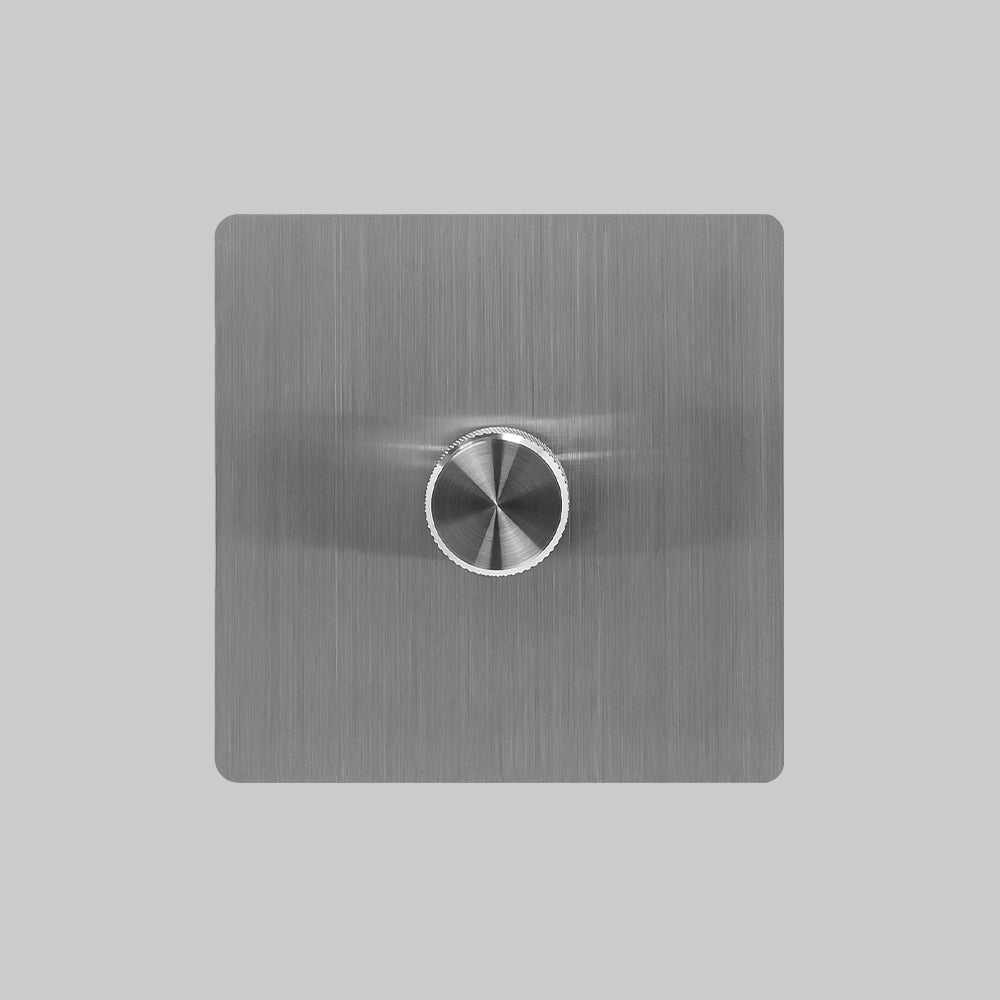
For traditional kitchens, Repenic's RD-250 or RD-400 manual dimmers in Solid Brass or Steel offer flicker-free LED control without smart home complexity. For smart kitchens with Google Home or Homey, choose the Zigbee Smart Dimmer in your preferred finish. For multi-location control (island + entrance), use RD-MP multiway dimmers or pair a Smart Dimmer with dummy switches. All models fit standard 25mm UK back boxes and require no neutral wire.
Selecting the right Repenic dimmer depends on three factors: your kitchen's lighting needs, your smart home ecosystem, and your aesthetic preferences.
For Traditional Kitchens (Manual Control): The RD-250 (250W) or RD-400 (400W) manual dimmers are ideal. Both support dimmable LEDs, halogens, and incandescent bulbs with programmable minimum brightness and boost mode to prevent flickering. The RD-250 suits kitchens with moderate lighting loads (e.g., a central pendant and under-cabinet strips); the RD-400 handles larger installations with multiple downlights or island lighting. Choose Solid Brass for warm, traditional aesthetics or Black Steel for contemporary kitchens. Both feature premium knurled knobs and V0 fire-rated internals, ensuring 5-year reliability.
For Smart Kitchens (Zigbee 3.0 Integration): Repenic's Smart Dimmer range (5–250W, Zigbee 3.0) offers remote dimming via smartphone, voice control through Google Home or Alexa-compatible Zigbee hubs, and energy monitoring. Available in Black Steel, Solid White, and Solid Brass finishes, these dimmers integrate seamlessly with platforms like Homey and Hubitat. They support advanced features: sunrise/sunset automation for morning routines, moonlight mode for safe nighttime navigation, and OTA (Over-the-Air) firmware updates for future enhancements. Ideal for kitchens integrated into broader smart home systems.
For Multi-Location Control (Island + Entrance): Use Repenic's RD-MP multiway dimmers, which allow up to five active dimming points on a single circuit. Each RD-MP unit offers independent brightness control and on/off switching. Alternatively, pair a Smart Dimmer with manual dimmers or dummy switches: the Smart Dimmer at the main entrance provides voice control and automation, while manual dimmers at secondary locations (island, breakfast bar) offer tactile control without smart home dependency. This hybrid approach balances convenience and reliability.
For Aesthetic Matching: Repenic's dummy dimmers (Solid Brass or Steel) match active dimmers perfectly, ensuring visual uniformity in multi-gang panels. If you choose a Brass RD-250, pair it with Brass dummy switches at secondary locations. Similarly, Steel dimmers pair with Steel dummies. This consistency elevates kitchen design and simplifies future maintenance or upgrades.
All Repenic dimmers are compatible with major UK grids—MK, BG, DETA, Hager, Hamilton, Crabtree, Schneider, Schneider-lisse, and Wandsworth—so they'll integrate seamlessly with existing outlets and switches. They require no neutral wire, fitting standard 25mm back boxes, and carry a 5-year warranty. Installation by a qualified electrician ensures BS 7671 compliance and RCD protection.
Repenic Expert Views: "Kitchen lighting control has evolved dramatically. Modern homeowners expect both aesthetics and functionality—dimmers that prevent LED flickering while matching their interior design. Repenic's dimmer range addresses this perfectly. Our manual dimmers (RD-250, RD-400) deliver flicker-free LED dimming with programmable brightness and soft-start protection, all without requiring neutral wires or complex rewiring. For smart kitchens, our Zigbee Smart Dimmers add voice control, energy monitoring, and advanced automation while maintaining the same premium build quality. Whether you're renovating a traditional kitchen with brass fixtures or designing a modern space with stainless steel appliances, Repenic offers solutions that comply with BS 7671, fit UK grids seamlessly, and look stunning for decades. We focus on helping UK homeowners and trade professionals choose the right dimmer for their specific layout—whether that's a simple 2-way setup or a complex multi-location island kitchen. Every Repenic dimmer carries a 5-year warranty and exceeds UKCA standards, so you can install with confidence."
Conclusion
Choosing the right kitchen light switch combines safety compliance, functional lighting control, and aesthetic integration. UK regulations mandate 30cm clearance from water sources, RCD protection, IP44 ratings, and V0 fire-rated materials—standards that modern dimmers like Repenic's range exceed effortlessly. Whether you opt for manual dimming to prevent LED flickering, smart Zigbee control for voice commands and automation, or multi-way setups for complex kitchen layouts, prioritize dimmers that work without neutral wires, fit standard 25mm back boxes, and match your kitchen's design language.
Repenic's premium dimmer switches—available in Solid Brass, Black Steel, and White Steel finishes—deliver flicker-free LED dimming, multi-way flexibility, and smart home integration, all backed by 5-year warranties and UKCA certification. Always hire a qualified electrician to ensure correct installation, compliance with BS 7671, and proper RCD protection. With the right dimmer, your kitchen lighting