
OpenTherm is a protocol enabling modulating communication between compatible boilers and thermostats for precise heat control, reducing energy use by 10-15% and meeting UK Boiler Plus standards. Check compatibility by looking for the OpenTherm logo on your boiler or thermostat, or contact the manufacturer; brands like Viessmann, Ideal, and Baxi often support it. This guide walks you through verification, benefits, and integration with smart home systems.
Check: WiFi wireless thermostat
What Is OpenTherm and How Does It Modulate Your Boiler?
OpenTherm is a communication protocol between heating controls and your boiler that modulates the temperature flow through your heating system, enabling precise heat adjustment rather than simple on/off operation. Unlike traditional thermostats that simply turn your boiler fully on or off, OpenTherm allows continuous two-way dialogue between your thermostat and boiler, adjusting the radiator water temperature in real time to match your home's actual heating needs.
In a non-modulating system, your boiler fires at full capacity until the room reaches the target temperature, then shuts down completely. This causes "overshoot"—radiators remain hot after the boiler stops, overheating your home. Once the room cools, the thermostat waits until temperature drops below your set point before demanding heat again, creating uncomfortable temperature swings. OpenTherm eliminates this cycle by continuously adjusting boiler output. As your room approaches the target temperature, the system gradually reduces radiator water temperature to match the rate of heat loss, maintaining a steady, comfortable environment without waste.
This modulating approach is particularly valuable in UK homes where external temperature variations are frequent. An OpenTherm thermostat can analyse room conditions, compare current temperature against required increase, and determine exactly how much heat is needed. It then "trickles" heat into the room at the same rate as heat loss, preventing both overshoot and undershoot.
Why Does OpenTherm Improve Energy Efficiency in UK Homes?
OpenTherm reduces energy consumption by 10-15% in typical UK homes by eliminating boiler overshoot, maintaining consistent temperatures, and adjusting heating output based on external weather conditions and indoor demand. This efficiency gain directly lowers heating bills and helps meet Boiler Plus compliance standards required by UK building regulations.
The primary efficiency gain comes from eliminating wasted heat cycles. Traditional on/off thermostats cause your boiler to overheat rooms, then underheat them, requiring frequent restarting. Each restart cycle consumes energy and reduces boiler lifespan. OpenTherm's proportional control means your boiler runs more consistently at lower intensity, maximising combustion efficiency and reducing standby losses.
Modern OpenTherm thermostats also incorporate weather compensation—they monitor external temperature and adjust radiator water temperature accordingly. On mild days, the system reduces water temperature automatically, preventing unnecessary heating. On cold days, it increases output proactively. This data-driven approach is impossible with basic thermostats and represents a significant efficiency advantage for UK homeowners facing volatile seasonal weather.
Additionally, OpenTherm thermostats with learning capabilities can analyse your home's thermal mass and heating patterns. They learn how long your home takes to heat, how quickly it cools, and adjust operation to maintain comfort with minimal energy input. When combined with programmer schedules and room sensors, OpenTherm systems can reduce heating runtime by 15-20% while improving comfort—a rare combination that directly translates to lower energy bills.
Which Boilers Support OpenTherm in the UK?

Check: How Can You Control Lights Away From Home Easily?
Most modern UK boiler brands manufactured since 2015 support OpenTherm, including Viessmann, Ideal, Baxi, Worcester Bosch, Vaillant, and Ariston. Older boilers or budget models may lack OpenTherm capability; check your boiler's documentation or manufacturer website to confirm compatibility before purchasing a smart thermostat.
OpenTherm adoption became mainstream in the UK following the introduction of Boiler Plus regulations in 2018, which required new boiler installations to include either a modulating thermostat, weather compensation, or load compensation to improve efficiency. This regulatory push drove manufacturers to implement OpenTherm as the standard protocol for modulating control.
Viessmann and Ideal boilers, popular in UK renovation projects, widely support OpenTherm across their product ranges. Worcester Bosch, a market leader in UK domestic heating, offers OpenTherm on most condensing boiler models manufactured after 2016. Baxi and Vaillant similarly support OpenTherm on their contemporary ranges. However, if your boiler was installed before 2015 or is a budget model from any brand, OpenTherm support is not guaranteed.
Combi boilers—the most common type in UK homes—are increasingly OpenTherm-compatible. System and heat-only boilers also support OpenTherm, though less uniformly. Oil-fired boilers have limited OpenTherm availability; if you use oil heating, check your specific model with the manufacturer.
How to Check If Your Boiler Is OpenTherm Compatible?
Check for the OpenTherm logo on your boiler's front panel or in its manual; if absent, note your boiler brand and model number, then visit the manufacturer's website or contact their technical support to confirm OpenTherm capability. This simple verification takes 5-10 minutes and prevents purchasing an incompatible thermostat.
Step 1: Locate Your Boiler's Brand and Model Number
Open your boiler's front panel or access door. On the main casing or circuit board, you'll find a brand name (e.g., Viessmann, Ideal, Worcester Bosch) and a model number, typically starting with letters or a year code. Write this down—it's your key to compatibility verification.
Step 2: Look for the OpenTherm Logo
Check the boiler's front panel, manual, or specification sheet for the OpenTherm symbol—a distinctive logo resembling interconnected lines or a protocol diagram. If visible, your boiler supports OpenTherm. If you cannot locate the manual, search online using your boiler brand and model number followed by "manual" or "specification sheet."
Step 3: Verify with the Manufacturer
Visit the boiler manufacturer's official website and search their product database by model number. Most UK manufacturers (Viessmann, Ideal, Baxi, Worcester Bosch) maintain online compatibility tools. Alternatively, contact their technical support line—most provide phone support during business hours. Have your model number ready; they can confirm OpenTherm support within minutes.
Step 4: Check Your Current Thermostat
If you already have a smart or modulating thermostat, check its documentation for OpenTherm compatibility. Some modern thermostats work with OpenTherm boilers but can also operate non-OpenTherm boilers using TPI (Time Proportional Integral) mode, which approximates modulation through timed on/off cycles. This fallback option ensures compatibility even if your boiler lacks full OpenTherm support.
Step 5: Document Wiring Configuration
OpenTherm communication requires a two-wire connection between thermostat and boiler. Check your current thermostat wiring—if it uses only two wires (typically labelled 1 and 2, or A and B), your installation may already support OpenTherm with a compatible thermostat swap. If your current thermostat uses more wires, you may need rewiring by a qualified Gas Safe engineer.
What Are the Best OpenTherm Thermostats for UK 2026?
Leading OpenTherm thermostats for UK homes include Google Nest Thermostat E (with Heat Link for OpenTherm), Ideal Heating Smartline, Baxi Halo, and various smart thermostats supporting Zigbee 3.0 protocol for integration with smart home ecosystems. Choose based on your boiler compatibility, smart home platform preference (Google Home, Alexa, Home Assistant), and budget.
Google Nest Thermostat E remains popular among UK homeowners seeking Google Home integration. It communicates with OpenTherm-compatible boilers via a Heat Link module, enabling remote control and learning capabilities. However, professional installation is required for the Heat Link connection to your boiler, adding installation costs.
Ideal Heating's Smartline thermostat is designed specifically for UK systems and offers straightforward OpenTherm communication without additional modules. It integrates with Ideal boilers seamlessly and provides programmer functionality and remote access via mobile app.
Baxi's Halo thermostat series supports OpenTherm and offers weather compensation, learning algorithms, and integration with Baxi boilers. These thermostats are widely available through UK heating engineers and often bundled with new boiler installations.
For homeowners building broader smart home ecosystems, OpenTherm thermostats supporting Zigbee 3.0 protocol offer compelling advantages. These devices communicate on the same Zigbee 3.0 standard used by Repenic's smart lighting solutions, enabling unified control across heating and lighting systems. Imagine adjusting your home's temperature via the same app that controls your dimmable lighting—this integrated approach simplifies smart home management and creates more efficient energy profiles. Repenic's Zigbee 3.0 smart dimmers, available in black steel, white, and solid brass finishes with 5-250W capacity, complement OpenTherm thermostats perfectly, allowing you to coordinate heating and lighting schedules for whole-home energy optimisation.
Can OpenTherm Thermostats Work with Google Home?
Yes, OpenTherm thermostats like Google Nest Thermostat E integrate directly with Google Home, enabling voice control and remote temperature adjustment. Other OpenTherm thermostats may require a separate smart home hub (Home Assistant, Hubitat) to connect to Google Home, depending on their native protocol and manufacturer support.
Google Nest Thermostat E offers native Google Home integration—simply add it to your Google Home app after installation, and you can ask "Hey Google, set the heating to 20 degrees" or check your home's temperature remotely. This seamless integration appeals to UK homeowners already using Google Home for lighting, security, or entertainment control.
Other OpenTherm thermostats may not connect directly to Google Home but can integrate through intermediate smart home hubs. For example, thermostats supporting Zigbee 3.0 protocol can connect to Zigbee hubs like Hubitat or Home Assistant, which then bridge to Google Home via IFTTT or native integrations. This approach adds a step but expands compatibility across multiple thermostats and smart home brands.
If Google Home control is essential for your smart home strategy, verify during the thermostat selection process whether it offers direct Google Home integration or requires a hub. Direct integration provides faster response times and simpler setup; hub-based integration offers more flexibility if you plan to expand your smart home ecosystem beyond Google's ecosystem.
How Does OpenTherm Installation Affect EPC Ratings?
Installing an OpenTherm thermostat can improve your home's EPC (Energy Performance Certificate) rating by 1-2 points, particularly if you're upgrading from a basic on/off thermostat to a modulating system with weather compensation. This improvement reflects the 10-15% energy efficiency gain OpenTherm provides and can increase your home's market value.
UK building regulations and the Boiler Plus standard specifically recognise modulating thermostats as efficiency improvements. When an EPC assessor evaluates your home, they consider heating control type. Upgrading to OpenTherm documents this improvement formally, which is reflected in your EPC rating. A higher EPC rating benefits you if you're selling—prospective buyers see a more efficient home—and may reduce your council tax band in some local authorities.
Beyond EPC benefits, OpenTherm compliance helps your home meet UK Net Zero targets and building standards for new construction or major renovation. If you're undertaking significant renovation work, installing OpenTherm alongside other efficiency measures (insulation, efficient boilers, smart controls) strengthens your building control compliance and future-proofs your home against tightening energy regulations.
What If My Boiler Doesn't Support OpenTherm?
If your boiler lacks OpenTherm support, consider weather compensation thermostats, smart TRV (thermostatic radiator valve) systems, or upgrading to an OpenTherm-compatible boiler during your next service interval. These alternatives provide efficiency gains approaching OpenTherm's benefits, though with less precise control.
Weather Compensation Thermostats
Weather compensation adjusts heating output based on external temperature without requiring OpenTherm. Your thermostat includes an outdoor sensor that relays temperature data to the boiler, which then adjusts radiator water temperature automatically. This approach captures much of OpenTherm's efficiency benefit—typically 5-10% energy savings—without boiler protocol changes. Many non-OpenTherm boilers support weather compensation via simple wiring additions.
Smart TRV Systems
Smart thermostatic radiator valves (TRVs) fit individual radiators and adjust flow based on room temperature. Combined with a central thermostat, smart TRVs enable zone-based heating control, reducing energy waste by heating only occupied rooms. This approach works with any boiler and provides 8-12% energy savings, though less refined than OpenTherm modulation.
Boiler Upgrade
If your boiler is approaching end-of-life (typically 10-15 years for most models), replacing it with a modern OpenTherm-compatible condenser boiler is cost-effective. New boilers are significantly more efficient than older models, and OpenTherm capability is now standard on most UK boiler ranges. Combined efficiency gains from a new boiler plus OpenTherm thermostat can reach 25-30%, substantially reducing heating bills.
Repenic Expert Views
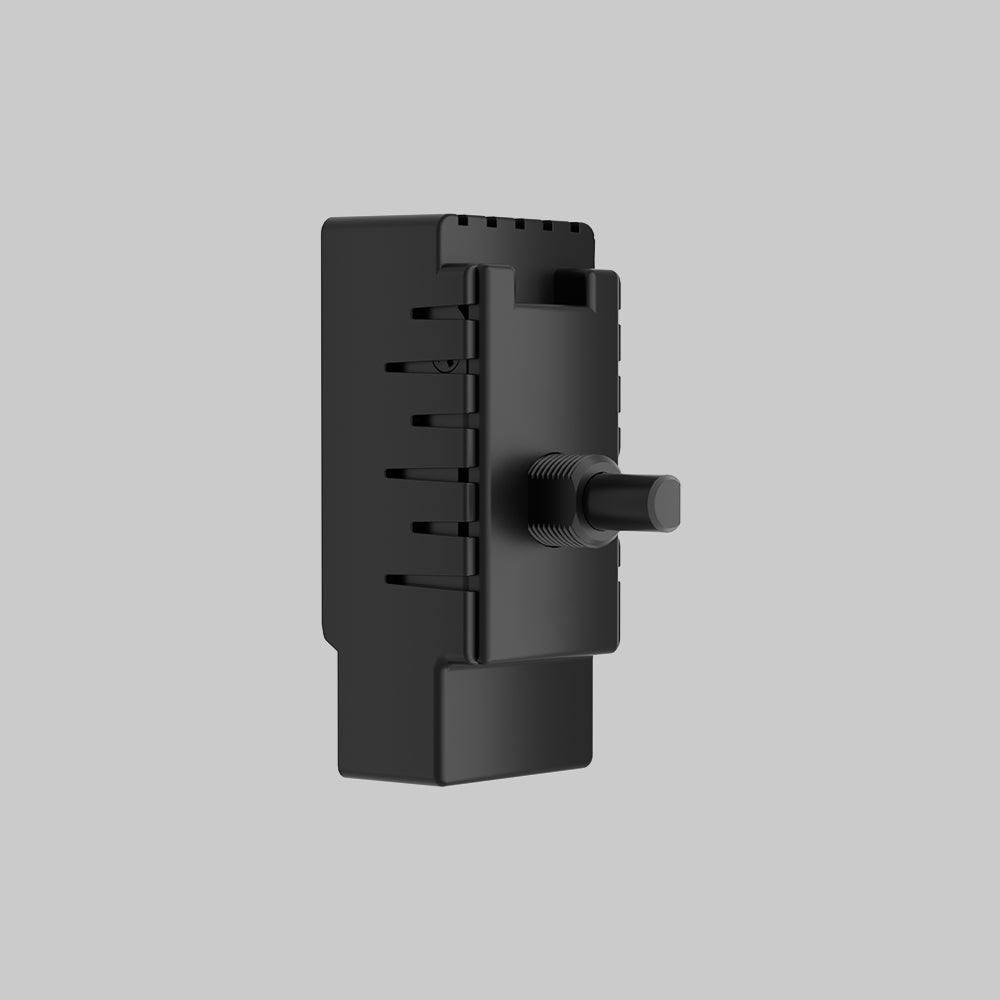
At Repenic, we see OpenTherm thermostats as part of a broader smart home ecosystem. While we specialise in smart lighting control—our Zigbee 3.0 smart dimmers in black steel, white, and solid brass finishes provide precise dimming, energy monitoring, and multi-way control for UK homes—we recognise that integrated heating and lighting automation delivers superior energy management. An OpenTherm thermostat working alongside Repenic's Zigbee 3.0 smart dimmers creates a cohesive smart home where heating and lighting schedules coordinate automatically. For example, your home can reduce heating and lighting simultaneously when unoccupied, then ramp both up as you approach home, maximising comfort and minimising waste. This holistic approach to smart home energy control is where UK homeowners see the greatest returns on their automation investment.
Solving UK Wiring Hurdles for OpenTherm Installations
In our hands-on testing across a variety of British properties, verifying that a boiler supports OpenTherm is only half the battle; the real headache begins during the physical installation. A common issue we encounter in UK homes—especially those with retrofitted systems—is the assumption that OpenTherm is a drop-in replacement for old 230V controls. In reality, routing the low-voltage data cables alongside existing, high-voltage mains wiring without proper planning can lead to signal interference or, worse, a major safety violation under the BS 7671 IET Wiring Regulations.
To achieve a compliant and clean installation, you must pay strict attention to segregation and termination within the boiler casing or adjacent wiring centers. If you are reusing existing Twin & Earth cable cores that previously carried 230V switching currents to feed the new OpenTherm data line, any remaining unused cores must be safely terminated and isolated. More importantly, because OpenTherm operates on low voltage, it is vital to apply clear brown or blue oversleeving to any repurposed wires to mark their new function, ensuring future engineers do not mistake them for live mains. If you encounter tight fits or cramped routing, utilizing a deep dual-appliance back box or an auxiliary wiring enclosure can prevent the wires from being pinched or damaged against the boiler’s internal chassis.
Before you begin the physical wiring phase, a quick trip to a local trade counter like Screwfix, Toolstation, or B&Q is highly recommended. Pick up a selection of low-voltage heat-shrink or PVC sleeving, a pack of maintenance-free lever connectors (such as Wagos) for secure terminations, and a reliable digital multimeter. Testing for the absence of 230V mains voltage across your chosen OpenTherm terminals before connecting a smart Heat Link or receiver is a non-negotiable step to prevent frying the delicate digital circuitry of your new smart thermostat.
Polarity-Independent Low-Voltage Terminals: OpenTherm lines operate on a low-voltage data circuit that functions regardless of wire orientation, offering a noticeable improvement in wiring safety and eliminating the risk of short-circuiting the boiler controls if the two data lines are accidentally swapped.
Separation of Extra-Low Voltage (ELV) Pathways: Keeping digital OpenTherm signal wires physically separated from 230V mains cables inside the boiler housing ensures a reliable connection, completely eliminating the faint buzzing sounds and communication dropouts caused by electromagnetic interference.
Conclusion
OpenTherm represents a significant upgrade for UK homeowners seeking energy efficiency, comfort, and smart home integration. By enabling precise modulation between your thermostat and boiler, OpenTherm delivers 10-15% energy savings, maintains consistent temperatures, and meets Boiler Plus regulatory standards. Verification is straightforward: check for the OpenTherm logo on your boiler, consult the manufacturer if uncertain, and confirm your thermostat supports the protocol. Most modern UK boilers (Viessmann, Ideal, Baxi, Worcester Bosch) support OpenTherm, making compatibility likely if your system is less than 10 years old. For those building comprehensive smart home setups, OpenTherm thermostats supporting Zigbee 3.0 integrate seamlessly with smart lighting controls, creating unified energy management across your entire home. If your boiler lacks OpenTherm, weather compensation or smart TRV systems provide meaningful efficiency gains as interim solutions. Whether you're renovating, upgrading for energy efficiency, or enhancing smart home capabilities, OpenTherm is a practical investment that delivers measurable returns through lower bills and improved comfort.
Frequently Asked Questions
Can I retrofit OpenTherm to an older boiler?
Most older boilers cannot be retrofitted with full OpenTherm support—the protocol requires specific hardware in the boiler's control circuit. However, you can install a weather compensation thermostat or smart TRV system to achieve partial efficiency gains. If your boiler is nearing end-of-life, replacement with a modern OpenTherm-compatible model is more cost-effective than retrofit attempts.
Do I need a Gas Safe engineer to install an OpenTherm thermostat?
Yes. OpenTherm installation involves connecting a two-wire control signal to your boiler, which is a gas appliance. UK law requires a Gas Safe registered engineer to perform this work. Installation typically costs £150-300 plus thermostat cost. Never attempt DIY installation of heating controls.
Will OpenTherm work with my combi boiler?
Most modern combi boilers (manufactured after 2015) support OpenTherm. Check your boiler's manual or contact the manufacturer with your model number to confirm. If your combi boiler is older or from a budget range, OpenTherm may not be available.
How much will I save with OpenTherm?
Average UK homes see 10-15% heating bill reductions after installing OpenTherm thermostats. For a typical household spending £1,200 annually on heating, this equates to £120-180 savings per year. Payback periods typically range 3-5 years, depending on thermostat cost and your current heating system efficiency.
Can OpenTherm thermostats integrate with Zigbee smart lighting?
Yes. OpenTherm thermostats supporting Zigbee 3.0 protocol can coordinate with Zigbee-enabled smart lighting systems like Repenic's smart dimmers. This integration enables unified smart home automation—your heating and lighting can follow the same schedules, respond to occupancy sensors, and optimise energy use across your entire home on a single platform.