
Featured Snippet PWM dimming for LEDs rapidly switches power on and off at high frequencies (thousands of times per second), controlling brightness via duty cycle—the percentage of on-time. For example, a 50% duty cycle halves perceived brightness. Higher frequencies (above 200Hz) minimize flicker, outperforming analog methods by preserving colour accuracy. However, UK hobbyists should upgrade to trailing or leading edge wall dimmers like Repenic's for compliant 230V AC installs with no flicker and full LED compatibility.
Check: How Can I Dim LED Lights Without a Dimmer Switch?
What Is PWM Dimming and How Does It Control LED Brightness?
Pulse Width Modulation (PWM) dimming adjusts LED brightness by rapidly switching current on and off at high frequency. The ratio of on-time to total cycle time (duty cycle) determines perceived brightness. A 100% duty cycle keeps the LED fully on; a 50% cycle makes it appear half-bright; a 10% cycle makes it very dim. The human eye cannot perceive these rapid switches, creating smooth dimming without colour shift.
PWM dimming works on a simple but elegant principle: instead of reducing the electrical current flowing through an LED (which causes colour distortion), PWM maintains full rated current but delivers it in rapid pulses. Think of it like flickering a light switch thousands of times per second—so fast your eye sees only the average brightness.
This method is fundamentally different from older incandescent or halogen dimming, which simply reduces voltage or current. LEDs are sensitive to voltage changes and respond poorly to current reduction alone, often shifting colour temperature as you dim them. PWM avoids this problem entirely by keeping the LED operating at its optimal current level while controlling exposure time.
In practical terms, if your PWM controller sends a signal with an 80% duty cycle, the LED receives full power 80% of the time and no power 20% of the time within each cycle. Your eye averages this to perceive 80% brightness. A 30% duty cycle produces moderate dimming, and 10% creates very low light levels. This granular control makes PWM ideal for LED strips, smart home lighting, and hobby projects where precise brightness adjustment is essential.
Why Is Duty Cycle Crucial in PWM LED Dimming?
Duty cycle is the percentage of time the PWM signal remains "on" within one complete cycle. It directly determines LED brightness: higher duty cycles (e.g., 80%) produce brighter output; lower cycles (e.g., 10%) produce dimmer output. Programmable minimum and maximum duty cycle limits prevent flicker at low levels and protect LEDs from overdriving at high levels, ensuring smooth, flicker-free dimming across the full range.
The duty cycle is the core measurement in PWM dimming and deserves careful attention. If a PWM signal completes 1,000 cycles per second and the LED is powered for 500 of those cycles, the duty cycle is 50%. This relationship is linear and predictable: double the duty cycle, and you roughly double the perceived brightness.
However, not all duty cycles are equally useful in real-world applications. At very low duty cycles (below 5%), some LEDs may not illuminate reliably or may flicker noticeably because the on-time is too brief for the LED to reach stable brightness. This is where programmable minimum brightness settings become critical. Premium dimmers like Repenic's RD-250 and RD-400 allow you to set a minimum duty cycle (adjustable from 1% to 50%) that ensures LEDs always illuminate smoothly, even at the lowest brightness setting.
Similarly, setting a maximum duty cycle prevents the LED from being overdriven at full brightness, which can reduce lifespan or cause flickering in certain LED types. Repenic dimmers include auto-adjust maximum brightness features that detect your specific LED load and optimise the ceiling automatically, eliminating the guesswork.
For hobbyists using 12V LED strips with Arduino or basic PWM controllers, understanding duty cycle is essential for achieving smooth dimming. Most hobby circuits default to duty cycles between 0% and 100%, but without programmable limits, you may encounter flicker zones or dead zones where dimming doesn't work smoothly. This is one reason UK homeowners often find hobby setups unreliable compared to purpose-built wall dimmers.
What PWM Frequency Prevents Flicker in LED Strips?
PWM frequencies above 200Hz are generally imperceptible to the human eye and prevent visible flicker in LED applications. Most modern LED controllers use frequencies between 1kHz and 20kHz for smooth, flicker-free dimming. Lower frequencies (below 100Hz) may cause noticeable flicker, particularly in photography or video. Repenic dimmers operate at optimised frequencies with high-speed chipsets to ensure flicker-free performance across all brightness levels.
Frequency is the second critical parameter in PWM dimming, determining how many on-off cycles occur per second. A 1kHz frequency means the LED switches 1,000 times per second; a 20kHz frequency means 20,000 times per second. The faster the switching, the less likely your eye can detect any flicker.
The human eye's flicker fusion threshold—the point at which rapid flashing becomes imperceptible—typically occurs around 60Hz for continuous viewing. However, LED dimming applications benefit from much higher frequencies (200Hz and above) because camera sensors, video equipment, and certain lighting conditions can reveal flicker at lower frequencies. Professional photography and videography setups are particularly sensitive to low-frequency PWM flicker, which appears as banding or strobing in footage.
For hobby 12V LED strip projects using Arduino or basic PWM modules, the default frequency is often 490Hz or 980Hz on standard pins, which is adequate for most applications. However, if you plan to use LED-lit areas in video content or near high-speed cameras, frequencies above 5kHz are recommended.
Repenic's premium dimmers incorporate high-speed chipsets and tuned MOSFETs that maintain optimised switching frequencies across all brightness levels, ensuring flicker-free performance in demanding environments. This is particularly important in UK renovations where LED lighting is often integrated with smart home systems, video security, or professional workspaces where flicker can cause discomfort or equipment interference.
How Does PWM Compare to Analog Dimming for LEDs?
PWM dimming switches current on and off rapidly, preserving LED colour and efficiency. Analog dimming reduces current continuously, which often causes colour shift and generates heat. PWM offers superior precision, better energy efficiency, and flicker-free control. However, analog dimming is simpler and cheaper. For modern LEDs and UK home installations, PWM and trailing/leading edge dimming (which uses PWM principles) are vastly superior to analog methods.
The comparison between PWM and analog dimming reveals why PWM has become the industry standard for LED lighting:
| Feature | PWM Dimming | Analog (CCR) Dimming |
|---|---|---|
| Brightness Control Method | On/off switching at high frequency | Continuous current reduction |
| Colour Accuracy | Preserved across all brightness levels | Shifts warmer as brightness decreases |
| Energy Efficiency | High (no wasted heat) | Lower (current reduction generates heat) |
| Flicker Risk | Minimal at frequencies above 200Hz | None (continuous current) |
| Circuit Complexity | More complex (requires fast switching) | Simpler (basic resistor-based) |
| Cost | Higher (precision components needed) | Lower (basic components) |
| LED Compatibility | Excellent with modern dimmable LEDs | Limited; may cause flickering or colour shift |
Analog dimming, also called Constant Current Reduction (CCR), works by reducing the electrical current flowing through the LED. This is simple in theory: lower current equals dimmer light. However, LEDs are non-linear devices. As you reduce current, the colour temperature shifts—typically becoming warmer (more orange/red). This colour shift is undesirable in most home and commercial applications where consistent colour is important.
Additionally, analog dimming wastes energy as heat in the dimming circuit. The resistor or circuit element controlling current dissipates power that could otherwise drive the LED, reducing overall efficiency. In contrast, PWM maintains full current but reduces on-time, so no energy is wasted as heat in the dimmer itself.
For UK homeowners upgrading LED lighting during renovations, PWM-based dimming (including trailing edge and leading edge technologies used in wall dimmers) is the clear choice. Repenic's dimmers use sophisticated PWM-based trailing and leading edge dimming to ensure flicker-free, colour-accurate control of 5-250W or 5-400W LED loads across all brightness levels.
What Are the Risks of DIY PWM Controllers in UK Homes?
DIY PWM circuits (Arduino, basic modules) often lack flicker prevention, cause colour shifts, and operate at unsafe low voltages (12V). UK electrical regulations require 230V AC installations by qualified electricians with proper back box fit (25mm minimum), fire-rated components (V0), and earthing. DIY setups bypass these safety requirements, risking electrical hazards, non-compliance, and unreliable dimming. Professional wall dimmers like Repenic's are compliant, safer, and more reliable.
While DIY PWM projects are educational and fun for hobbyists, they present real risks when used in UK homes:
Safety Compliance: UK electrical regulations (BS 7909, UKCA standards) require all mains-voltage lighting installations to be completed by qualified electricians. DIY PWM circuits operating at 12V may seem safe, but integrating them with 230V AC mains lighting creates compliance issues. Insurance may not cover installations that deviate from regulations, and future home sales or renovations can be complicated by non-compliant electrical work.
Flicker and Eye Strain: Hobby PWM modules often use lower switching frequencies (490Hz to 1kHz) and lack the high-speed chipsets found in professional dimmers. This can result in visible or imperceptible flicker that causes eye strain over prolonged exposure, particularly in work or study areas.
Limited LED Compatibility: DIY circuits typically cannot detect the specific LED load connected and cannot adjust minimum/maximum brightness automatically. This leads to flickering at low levels, colour shifts, or failure to dim certain LED types. Repenic dimmers include BOOST mode and auto-adjust features that solve these problems by detecting your LED load and optimising performance automatically.
Reliability and Support: If your DIY PWM circuit fails, you have no manufacturer support or warranty. Professional dimmers like Repenic's come with 5-year warranties, technical support, and guaranteed performance with a wide range of LED types (5-250W or 5-400W, resistive and capacitive loads).
Why Switch from PWM Hobby Circuits to Trailing Edge Dimmers?
Trailing edge dimmers use PWM principles but operate at 230V AC mains voltage with professional-grade flicker prevention, colour accuracy, and UK electrical compliance. They fit standard 25mm back boxes, require no neutral wire, and offer programmable brightness limits and BOOST mode for reliable LED dimming. Switching from hobby circuits to trailing edge dimmers eliminates flicker, ensures safety, and provides warranty support.
Trailing edge dimming is the professional evolution of PWM technology, specifically designed for UK mains voltage (230V AC 50Hz) installations. It uses rapid PWM switching but operates at mains voltage levels and incorporates advanced features that hobby circuits cannot match.
The term "trailing edge" refers to when the dimmer begins switching the signal—it waits until the AC voltage naturally approaches zero, then switches the load on partway through the cycle. This reduces electrical noise, minimises radio frequency interference, and provides superior flicker control compared to leading edge dimming (which switches near the peak of the AC wave). Most modern LED dimmers use trailing edge technology because it's more compatible with electronic LED drivers.
Key advantages of trailing edge dimmers over hobby PWM circuits include:
Mains Voltage Compatibility: Trailing edge dimmers work directly with 230V AC lighting circuits, eliminating the need for separate 12V power supplies and complex integration. You simply replace your existing switch or dimmer with a trailing edge model.
Multi-Gang and Multi-Way Control: Professional dimmers support 2-way, 3-way, and multi-way setups using intermediate switches and dummy dimmers. Repenic's multiway dimmers (RD-MP) allow up to 5 units on the same circuit, enabling dimming control from multiple locations—something hobby circuits struggle to achieve reliably.
No Neutral Wire Required: Many UK homes, particularly older properties, lack neutral wires in switch positions. Repenic's trailing edge dimmers are designed to work without a neutral wire, fitting standard 25mm back boxes and compatible with MK, BG, DETA, Hager, Hamilton, Crabtree, and Schneider grids.
Programmable Brightness and BOOST Mode: Repenic dimmers let you set minimum brightness (1-50% adjustable) to prevent flicker at low levels and maximum brightness to prevent flickering at high levels. BOOST mode automatically detects LEDs that don't illuminate smoothly at very low brightness and boosts them temporarily, solving a common problem with budget LED bulbs.
How Do Repenic Dimmers Solve PWM Limitations for LEDs?
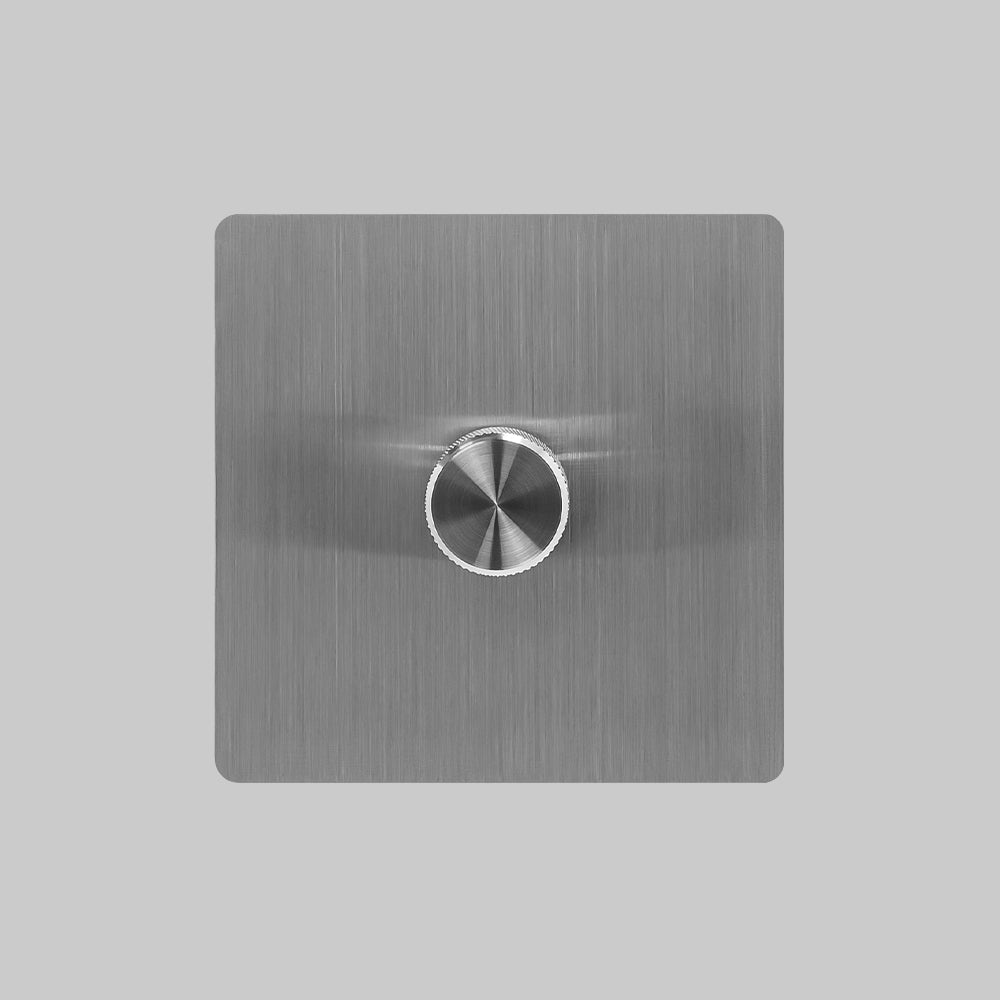
Repenic dimmers combine trailing/leading edge PWM technology with UK-specific features: 5-250W or 5-400W LED compatibility, programmable min/max brightness, BOOST mode for stubborn LEDs, no neutral required, 25mm back box fit, and 5-year warranty. Zigbee smart models (RD-250ZG) add Google Home integration and energy monitoring. Multi-way setups (RD-MP) enable dimming from multiple locations. These professional features eliminate flicker, colour shift, and compliance risks inherent in hobby PWM circuits.
Repenic's range of dimmers addresses the specific limitations of hobby PWM circuits while meeting UK electrical standards and home renovation requirements:
Trailing and Leading Edge Flexibility: Repenic dimmers support both trailing edge (default for LEDs) and leading edge dimming modes, selectable via programming. This flexibility ensures compatibility with virtually any LED driver or load type, from resistive (R) to capacitive (C) and inductive (L) loads.
Wide LED Load Range: The RD-250 and RD-400 dimmers support LED loads from 5W to 250W (RD-250) or 400W (RD-400), with multi-gang de-rating for installations with 2, 3, 4, or 5 gangs. This means a single dimmer can reliably control anything from a small accent light to an entire room's LED lighting system.
Programmable Brightness Control: Unlike hobby circuits with fixed 0-100% ranges, Repenic dimmers allow you to set minimum brightness (1-50%) and maximum brightness programmatically. This prevents flicker at low levels and protects LEDs from overdriving at high levels. The auto-adjust maximum brightness feature automatically detects your LED load and optimises the ceiling to prevent flickering.
BOOST Mode for Problem LEDs: Some budget LED bulbs don't illuminate smoothly below 10-20% brightness. Repenic's BOOST mode detects this and temporarily increases brightness during startup, then dims to your desired level. This solves a frustrating problem that hobby PWM circuits cannot address.
Premium Materials and Safety: Repenic dimmers feature solid brass, stainless steel, or white steel faceplates with recycled PC plastic modules, all V0 fire-rated. They exceed UKCA safety standards with 6-layer protection against surges and overloads. All installations must be completed by a qualified electrician, ensuring compliance with UK Building Regulations.
Which Repenic Dimmer Fits Your UK LED Renovation?
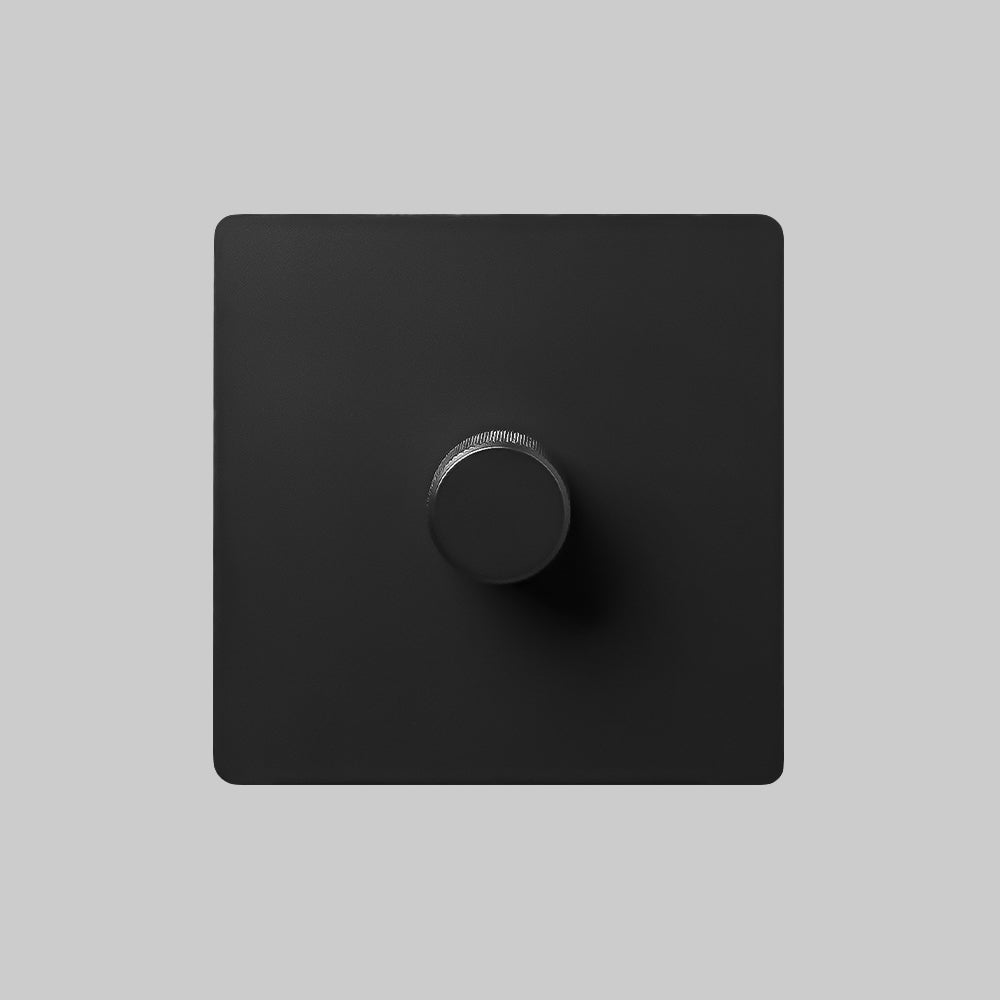
For basic LED dimming, choose the RD-250 (5-250W) or RD-400 (5-400W) manual dimmers in brass, steel, or white finishes—available in 1, 2, 3, or 4 gang. For smart control, select the RD-250ZG Zigbee dimmer (5-250W, no neutral, Google Home compatible). For multi-way setups, combine any dimmer with RD-MP multiway units or dummy dimmers. All fit 25mm back boxes and include 5-year warranty.
Repenic offers several dimmer options tailored to different renovation needs:
| Dimmer Model | LED Load | Key Features | Best For |
|---|---|---|---|
| RD-250 (Manual) | 5-250W LED | Trailing/leading edge, programmable min/max, BOOST mode, no neutral, 1-4 gang | Single-location LED dimming in bedrooms, lounges, kitchens |
| RD-400 (Manual) | 5-400W LED | Same as RD-250 but higher capacity | Multi-room or high-load LED installations |
| RD-250ZG (Zigbee Smart) | 5-250W LED | Zigbee 3.0, Google Home, energy monitoring, no neutral, OTA updates | Smart home integrations, energy tracking, remote control |
| RD-MP (Multiway) | 5-250W LED | Up to 5 units per circuit, 2/3-way control, programmable brightness | Hallways, stairs, multi-location rooms requiring dimming from multiple switches |
| Dummy Dimmer (Brass/Steel) | N/A (6A max) | Mechanical 2-way/intermediate switch, matches dimmer aesthetics | Companion switches in multi-way setups to match dimmer appearance |
For a typical UK home renovation, the RD-250 manual dimmer is the ideal starting point. It handles most residential LED loads (5-250W), fits standard 25mm back boxes, requires no neutral wire, and is available in premium finishes (solid brass, stainless steel, or white steel) in 1, 2, 3, or 4 gang configurations. If your home has higher LED loads (e.g., a large open-plan kitchen with extensive LED downlighting), the RD-400 provides double the capacity.
For smart home enthusiasts, the RD-250ZG Zigbee dimmer integrates seamlessly with Google Home, Homey, and Hubitat platforms. It includes real-time energy monitoring, allowing you to track LED lighting consumption. The Zigbee protocol operates independently of WiFi, providing reliable control even if your internet is down.
Multi-way setups are common in UK homes—hallways, staircases, and large bedrooms often have switches at multiple locations. Repenic's RD-MP multiway dimmers support up to 5 units on the same circuit, each capable of dimming independently or together. Dummy dimmers in matching brass or steel finishes provide the aesthetic of a dimmer at secondary switch locations while functioning as simple on/off switches.
Can Repenic Zigbee Dimmers Replace PWM for Smart Control?
Yes. Repenic's RD-250ZG Zigbee dimmer uses PWM-based trailing edge technology at 230V AC, offering all the flicker prevention and colour accuracy of hobby PWM circuits plus smart home integration (Google Home, Homey, Hubitat), energy monitoring, no neutral requirement, and 5-year warranty. It eliminates the complexity of DIY Arduino PWM projects while providing professional reliability and compliance.
The RD-250ZG represents a significant upgrade for hobbyists considering smart LED control. Rather than building an Arduino PWM circuit and integrating it with a smart home hub (which requires programming, debugging, and ongoing maintenance), the RD-250ZG handles all dimming and smart control natively.
The dimmer uses Zigbee 3.0, an open-source wireless protocol that operates independently of WiFi and is far more reliable than WiFi-based smart lights for critical applications like hallway or staircase lighting. Zigbee devices form a mesh network, meaning each dimmer strengthens the network for others, providing redundancy and stability.
Key advantages for smart home enthusiasts:
Energy Monitoring: The RD-250ZG tracks real-time energy consumption of your LED lighting, helping identify energy-hungry loads and optimise usage patterns. This data integrates with smart home dashboards for detailed household energy analysis.
Advanced Dimming Modes: Beyond standard on/off and dimming, the RD-250ZG supports sunrise mode (gradually brightens over time), moonlight mode (very dim night lighting), and programmable dimming schedules. These enhance comfort and energy savings compared to hobby PWM circuits.
Over-the-Air Updates: Repenic regularly releases firmware updates via OTA (Over-the-Air) technology, adding new features and security improvements without replacing hardware. Hobby PWM circuits typically cannot be updated remotely.
Multi-Way Smart Control: The RD-250ZG can be paired with up to 2 RD-MP multiway dimmers on the same circuit, enabling smart dimming from multiple locations. This is far more elegant than wiring multiple Arduino modules together.
Repenic Expert Views
Repenic dimmers are purpose-built for UK homes, combining PWM-based trailing edge technology with features that hobby circuits cannot match. Our RD-250 and RD-400 manual dimmers include BOOST mode, programmable brightness limits, and automatic LED load detection—solving real-world flicker and compatibility problems. For smart control, the RD-250ZG Zigbee dimmer provides Google Home integration, energy monitoring, and multi-way capability without the complexity of Arduino programming. All models fit standard 25mm back boxes, require no neutral wire, and come with 5-year warranties. Whether you're upgrading a single room or managing a full renovation, Repenic dimmers deliver the precision, reliability, and compliance that UK homeowners and trade professionals expect.
Conclusion
PWM dimming is a powerful technology for controlling LED brightness, offering superior colour accuracy, energy efficiency, and flicker-free performance compared to older analog methods. Understanding duty cycle, frequency, and switching principles helps hobbyists appreciate why PWM has become the industry standard.
However, DIY PWM circuits built on Arduino or basic modules present real risks in UK homes: compliance issues